As an Amazon affiliate, we earn from qualifying purchases made through affiliate links.
As an Amazon affiliate, we earn from qualifying purchases made through affiliate links.
Don't let your vegetable garden coast through the dog days—keep it thriving by weaving these four essential tasks into your summer routine:
1. Plant! Looking to squeeze every last harvest out of your beds? Succession planting is the answer—it's the secret to a garden that never stops giving. As soon as I pull the last of the peas, carrots, or lettuce, I work in some compost and replant with fresh seeds or seedlings. Come July, my go-tos are bush beans, zucchini, and cucumbers. Just check the “days to maturity” on your seed packets to be sure there's enough growing season left for them to finish.
2. Weed & water! I know, I know—nobody gets excited about weeding and watering. But your plants sure do. When you water, aim at the soil, not the foliage, and give it a good deep soak. I also spread two to three inches of straw mulch around my plants. It locks in moisture and keeps weeds from muscling in—two birds, one stone.
3. De-bug! To knock back troublemakers like cucumber beetles, slugs, Colorado potato beetles, squash bugs, and cabbage worms, I do a morning patrol—handpicking the culprits and dropping them straight into a jar of soapy water. I also interplant flowers like sweet alyssum, calendula, dill, and cosmos throughout my beds to draw in predatory insects that do the pest control for me.
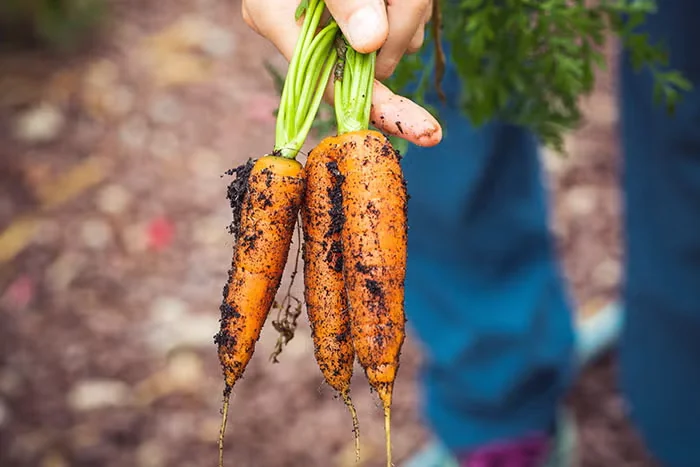
4. Feast! July and August are when the garden really shows off, and I'm out there every day picking beans, peas, carrots, beets, cherry tomatoes, squash, and baby potatoes. Our dinner plates revolve around what's ready to pick. One of the great joys of growing your own is catching vegetables at their absolute peak—tender, flavorful, and minutes from the plant. So keep a close eye on things and harvest often.
Image credit: Markus Spiske/Unsplash
Niki Jabbour, who gardens year-round in Nova Scotia, is aHorticulturecolumnist. She also writes atSavvyGardening.com. She's the author of several books on vegetable gardening, includingGardening Under CoverandNiki Jabbour's Veggie Garden Remix.
More from Vegetable
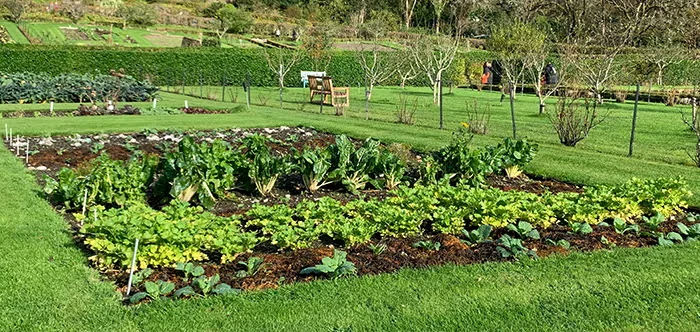
5 Techniques for Growing a Vegetable Garden
Whether you're breaking ground on your very first vegetable garden this spring or thinking about expanding the one you already…
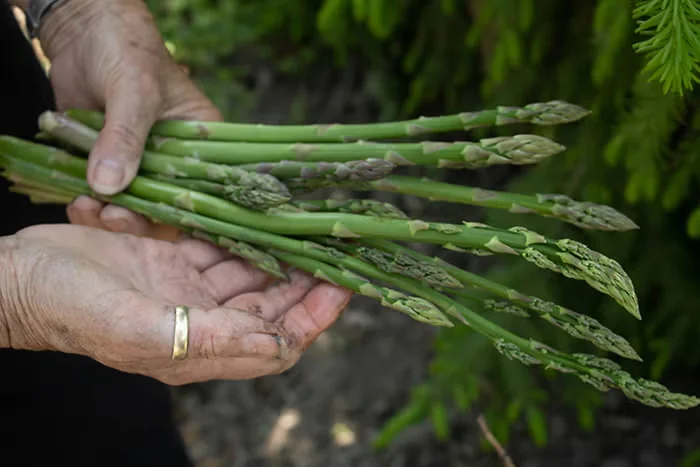
Grow Asparagus 'Millennium' for a Long-Lived Vegetable Crop
As vegetable gardeners, we're used to replanting our tomatoes, peas, beans, and greens fresh every spring. But some crops are…
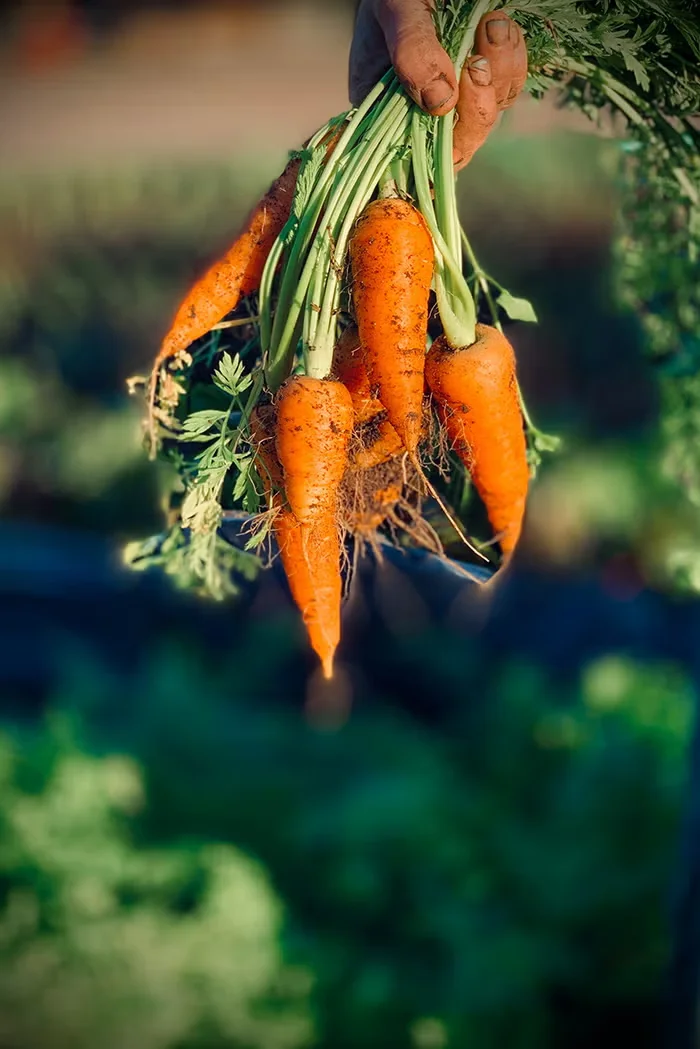
Early Spring in the Vegetable Garden: Crops and Tasks
When spring finally shows up, I'm like most gardeners—itching to get my hands in the dirt. Don't get me wrong, I love my…