When spring finally shows up, I'm like most gardeners—itching to get my hands in the dirt. Don't get me wrong, I love my long-season tomato and pepper plants,…
When spring finally shows up, I'm like most gardeners—itching to get my hands in the dirt. Don't get me wrong, I love my long-season tomato and pepper plants, but I've also come to appreciate the vegetables that revel in cool spring temperatures and are ready to harvest in a matter of weeks. Here are my top crops to sow a month before the last frost, plus some thoughts on prioritizing your spring to-do list.
No spring garden is complete without a patch of lettuce. It's quick, easy, and works just as well in containers as in garden beds. Direct sow seeds about four weeks before the last expected spring frost—or even earlier under a cold frame or greenhouse. Can't-miss varieties include Salanova Home Garden Mix, 'Sandy', 'Black Seeded Simpson', and 'Red Salad Bowl'.
Salad turnips like 'Hakurei' have been a spring staple in my garden for over a decade now. They go from seed to table in just 40 days, yielding crisp, sweet roots and edible tops. Direct sow three to four weeks before the average last frost. 'Hakurei' and 'Hinona Kabu' are my standbys.
Nutrient-packed and quick to mature, spinach can go in as soon as the soil is workable. For spring planting, pick a slow-bolting variety like 'Seaside' to stretch the harvest into the warm days of early summer. 'Space' and 'Lakeside' are other solid choices.
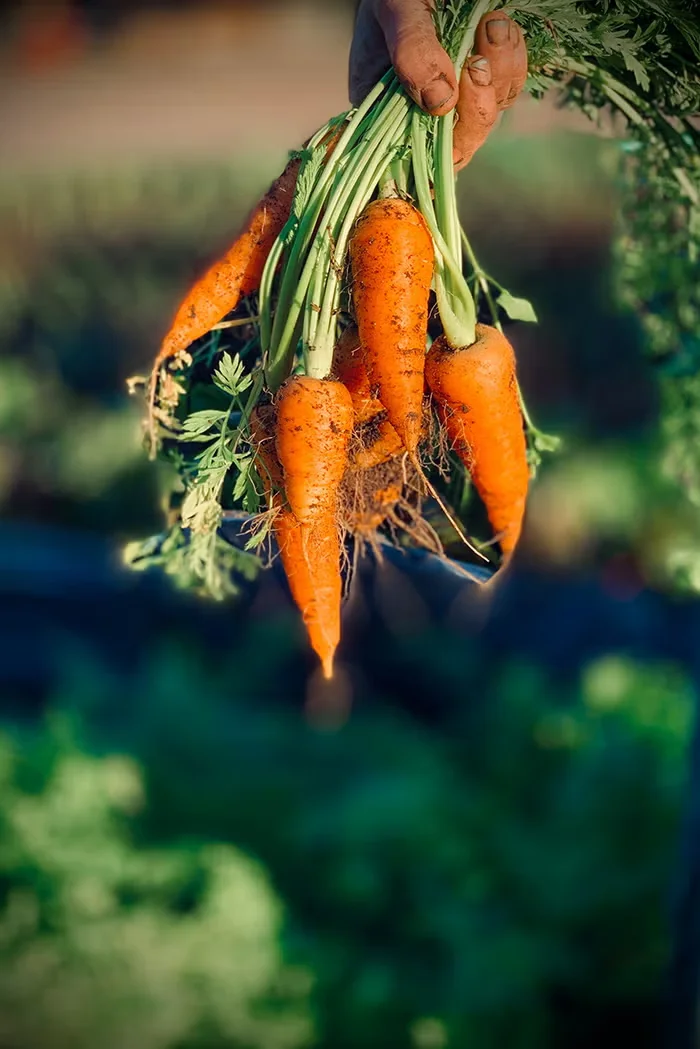
Early carrots are a real spring treat, with many varieties—like 'Adelaide'—ready to pull just 50 days from seeding. Direct sow two to three weeks before the expected last spring frost. To get good carrot-seed germination, keep the soil consistently moist until the seedlings are up and growing. Beyond 'Adelaide', give 'Bolero' and 'Yaya' a try.
Checklist for Early Spring
1. Sow.March and April are the busiest months for indoor seed starting. To produce healthy, stocky seedlings, give them at least 16 hours of light each day. I use four-foot fluorescent grow lights hung on chains so I can adjust the height as the plants grow, keeping the lights just a few inches above the seedlings. The result? Strong, well-branched plants ready to go into the garden.
2. Plan.Don't let spring cleanup and garden prep overwhelm you. Stay organized by making a list of tasks, plans, and projects. Tackle the time-sensitive ones first—like seed starting—and fit in the less pressing items when you can.
3. Buy smart.Whether you need garden soil for a new raised bed, mulch to smother weeds, or a load of compost or manure to beef up your soil, order it early and buy in bulk if you can. Bulk loads cut down on plastic waste and usually mean your soil, mulch, or compost comes from local sources.
4. Build.Get a jump on the season by pre-warming the soil or setting up a mini hoop tunnel over your vegetable beds. Once the soil has thawed, you can sow seeds for cool-weather crops like spinach, kale, radishes, beets, and lettuce.—NJ
More from Vegetable
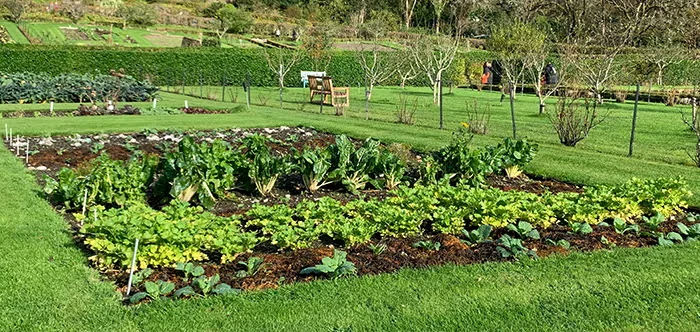
5 Techniques for Growing a Vegetable Garden
Whether you're breaking ground on your very first vegetable garden this spring or thinking about expanding the one you already…
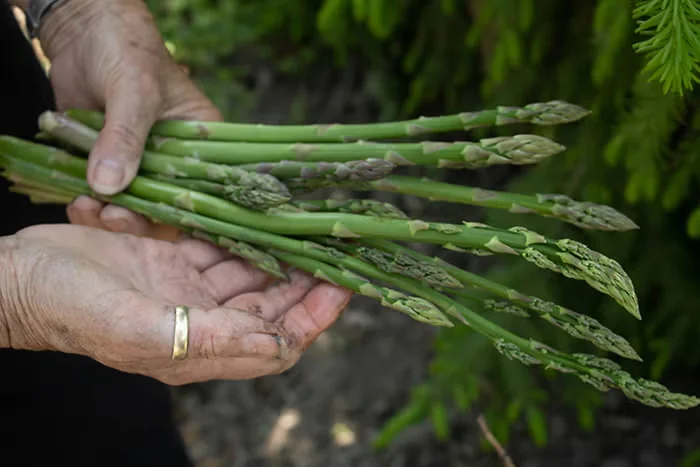
Grow Asparagus 'Millennium' for a Long-Lived Vegetable Crop
As vegetable gardeners, we're used to replanting our tomatoes, peas, beans, and greens fresh every spring. But some crops are…
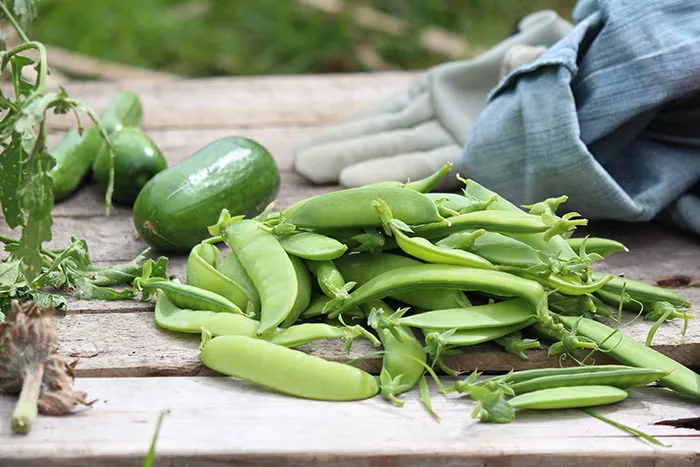
Plan Ahead for Your Vegetable Garden: 5 Tips
After years of gardening, I can tell you this for certain: a planting plan is worth its weight in gold. The time to make one is…