As vegetable gardeners, we're used to replanting our tomatoes, peas, beans, and greens fresh every spring. But some crops are perennials—and asparagus is the…
As vegetable gardeners, we're used to replanting our tomatoes, peas, beans, and greens fresh every spring. But some crops are perennials—and asparagus is the standout. With decent care, an asparagus bed can keep producing for a dozen years or more.
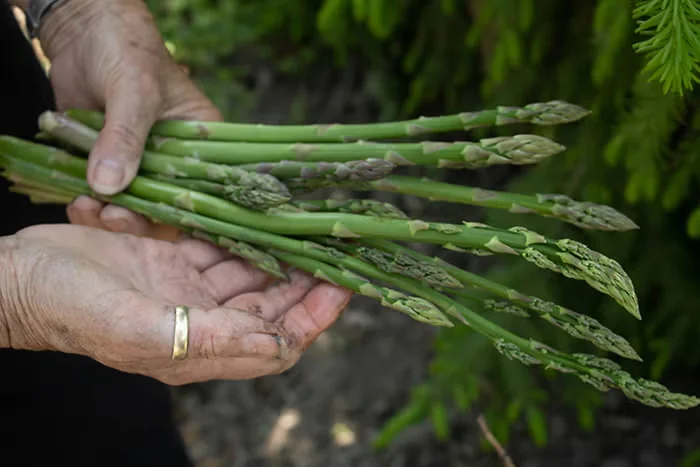
Among asparagus varieties, 'Millennium' is a top pick—and for good reason. It's hardy, disease-resistant, adapts to a range of soil textures, and the flavor is excellent. 'Millennium' is a high-yielding variety that keeps its tips tightly closed, giving you the most attractive spears at harvest time.
Common name:'Millennium' asparagus
Botanical name:Asparagus officinalis'Millennium'
Needs:Asparagus takes full sun to part shade. The variety 'Millennium' adapts well to sandy or heavy clay soils. It is appropriate for USDA Hardiness Zones 3 through 8.
Origin:'Millennium' asparagus is a variety that was developed at Ontario's University of Guelph.
How to grow it:You can start asparagus from seed, but most gardeners find it easier to buy crowns—those dormant, bare-root divisions. Plant crowns in the garden three to four weeks before your typical last frost date. Dig a trench about eight inches deep in soil with moderate texture. In sandy soil, go a few inches deeper; in clay, make it a few inches shallower. Pile the excavated soil alongside the trench. If you're planting multiple rows, leave about six inches between trenches.
Lay the crowns in the trench with the roots extending in one direction—no need to spread them apart. Space each crown about 10 inches from the next (bud end to bud end). Cover with just two to three inches of soil, water well to settle everything, and keep the crowns moist in the weeks that follow.
As the asparagus begins to grow and push up through the soil, gently add more soil from the pile you reserved alongside the trench, and don't let the planting dry out.
That first season in the ground, let the asparagus grow freely—don't harvest any spears at all. When the plants go dormant in fall, cut back the spent foliage.
Harvesting 'Millennium' asparagus:Spears are ready to pick when they're at least pencil-thick and between six and nine inches tall. Slice them at or just below the soil line with a sharp knife. Here's the typical schedule: The first spring—one year after planting—pick spears for just one week, then let the plants grow undisturbed, keeping them watered and weeded. The second spring after planting, harvest for two weeks. In subsequent years, you can keep harvesting for four to six weeks.
More from Vegetable
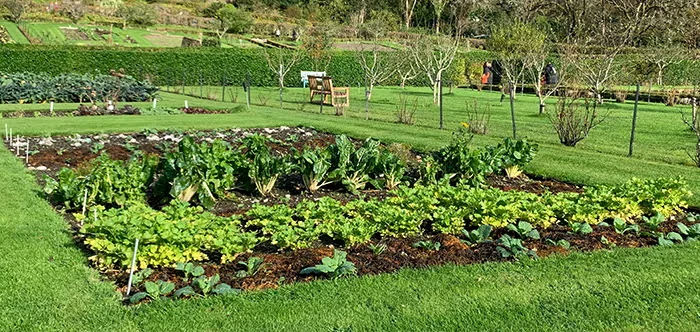
5 Techniques for Growing a Vegetable Garden
Whether you're breaking ground on your very first vegetable garden this spring or thinking about expanding the one you already…
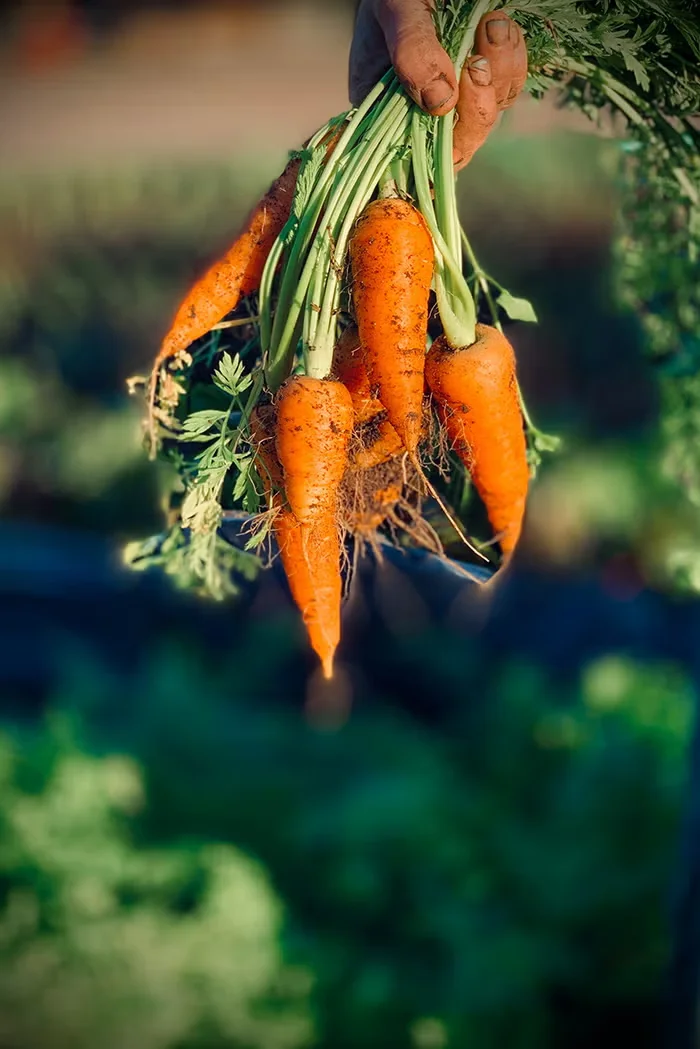
Early Spring in the Vegetable Garden: Crops and Tasks
When spring finally shows up, I'm like most gardeners—itching to get my hands in the dirt. Don't get me wrong, I love my…
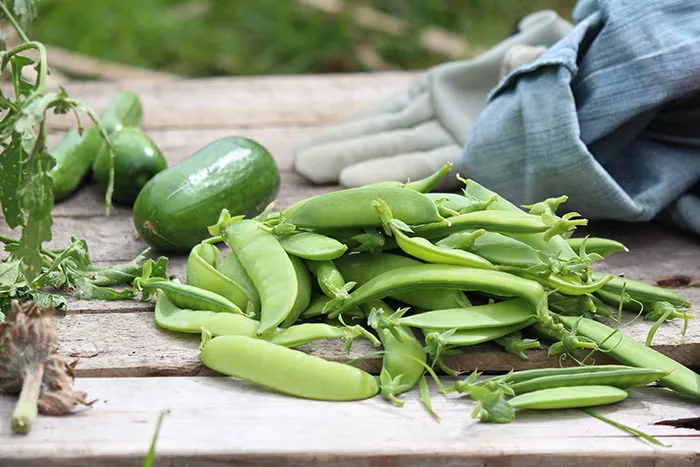
Plan Ahead for Your Vegetable Garden: 5 Tips
After years of gardening, I can tell you this for certain: a planting plan is worth its weight in gold. The time to make one is…