As an Amazon affiliate, we earn from qualifying purchases made through affiliate links.
As an Amazon affiliate, we earn from qualifying purchases made through affiliate links.
There are plenty of reasons to mulch your vegetable beds, but for me the big one is weed control. With 20 raised beds in my garden, I'd be fighting a losing battle without a good layer of mulch. It's also a smart water-saving move—mulched soil holds moisture far longer, so you irrigate less. Depending on the type you choose, mulch can even deter certain pests and gradually improve your soil's structure and fertility as it breaks down.
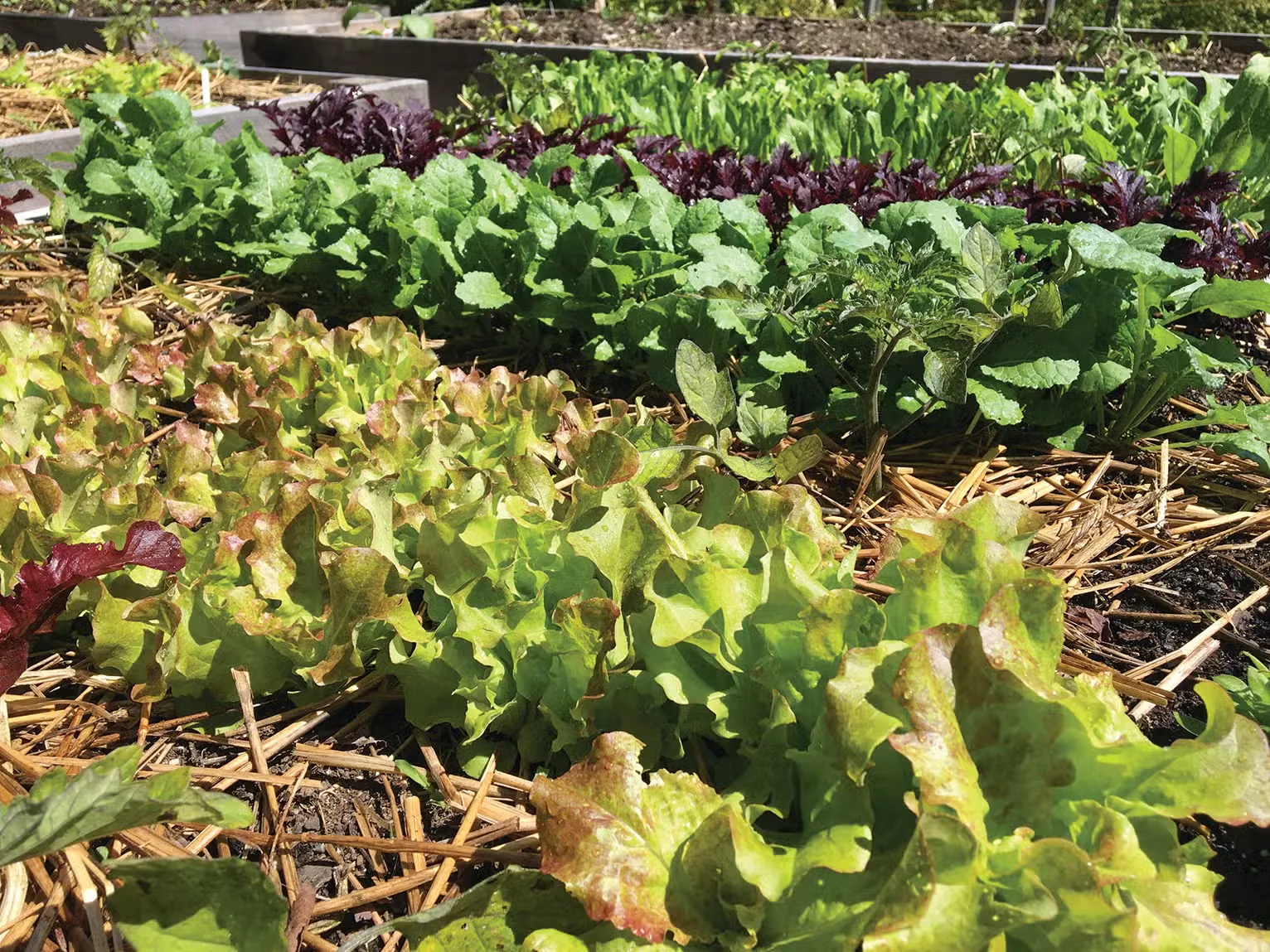
Mulches come in two main camps: organic materials like straw that gradually decompose and feed your soil, and inorganic options like plastic or landscape fabric that don't break down but still serve a purpose in the food garden.
Straw is my go-to mulch for raised vegetable beds. It's affordable, it works, and it even helps deter certain pests—squash vine borers, for instance, like to lay their eggs on exposed squash stems, and a straw layer makes that a lot harder for them.
Shredded leaves or leaf compost, gathered in fall and spread in spring, is another excellent weed-free option for food gardeners. It breaks down relatively quickly, feeds organic matter back into the soil, and holds moisture beautifully.
I recently toured a home garden where the owner had laid black fabric mulch around his heat-loving crops. It smothered weeds and warmed the soil, sending his tomatoes, peppers, and artichokes into overdrive. I was so impressed with the harvest that I'm giving fabric a try in a few of my own beds this season.
Plastic mulches are another popular choice for bumping up soil temperature around heat-loving vegetables like melons, tomatoes, and peppers. They come in several colors, each with different effects on various crops. Plastic isn't the most attractive option in the garden, but in a cool climate, it can really help extend your growing season.
Compost is one of the simplest and most cost-effective mulches you can use in a vegetable garden. It holds moisture well and doubles as a soil builder as it slowly breaks down and enriches the bed.
The ideal time to lay down any mulch is right after a deep, soaking rain. Spread it on top of the soil around your plants. For organic mulches, aim for a layer two to three inches deep. You'll probably need to top it off around midsummer as the material starts decomposing and thinning out.
Niki Jabbour grows and harvests vegetables all year at her home in Nova Scotia. Find her online atsavvygardening.comand in every issue ofHorticulture.She is the award-winning author ofThe Year-round Vegetable GardenerandGroundbreaking Food Gardens,as well asNiki Jabbour's Veggie Garden Remix.
More from Vegetable
5 Techniques for Growing a Vegetable Garden
Whether you're breaking ground on your very first vegetable garden this spring or thinking about expanding the one you already…
Grow Asparagus 'Millennium' for a Long-Lived Vegetable Crop
As vegetable gardeners, we're used to replanting our tomatoes, peas, beans, and greens fresh every spring. But some crops are…
Early Spring in the Vegetable Garden: Crops and Tasks
When spring finally shows up, I'm like most gardeners—itching to get my hands in the dirt. Don't get me wrong, I love my…