Do you dream of growing your own vegetables but feel like you just don't have the room? You're in good company—space is at a premium in many urban and suburban…
Do you dream of growing your own vegetables but feel like you just don't have the room? You're in good company—space is at a premium in many urban and suburban yards, yet the desire to eat homegrown, or at least locally grown, produce is stronger than ever. The great news is that growing fresh vegetables in nooks, crannies and creative containers is completely doable—and honestly, a lot of fun. Resourceful gardeners are making the most of vertical space and all sorts of vessels to build beautiful, productive patio gardens.
Succession planting is one of the best ways to squeeze more out of limited space—and make the most of sunlight throughout the season. If your planting spot gets full sun in spring, start with radishes, beets, kale and salad greens. These cool-season crops love nippy nighttime temperatures and prefer gentler light. Most leafy greens and herbs are just as content in a pot as in the ground, and some even appreciate a little shade.
By the time temperatures climb toward summer, your early-season crops will be ready to make room for heat lovers. Small spaces actually have an advantage here—balconies and patios are often warmer than open stretches of lawn. Brick, stone and siding soak up and radiate heat, letting you get an earlier start in cooler climates. Summer crops love warmth to grow, but that warmth also dries them out fast, especially in pots. Self-watering containers with a reservoir at the base are a real lifesaver on scorching days.
Creative Containers Plants aren't fussy about what they grow in, as long as it drains well. My daughter gets a kick out of repurposing old rain boots—just drill holes in the bottom—to grow herbs and greens, which need only six inches of soil to thrive.
Grow bags made of thick, porous fabric provide nice insulation and fold flat for storage when you're done. They work wonderfully for potatoes, which you can start in early spring. Fill the bags one-third full with soil, and as shoots emerge, cover them with more soil. Keep going until the bag is full, then water and wait for a bountiful late-summer harvest.
Window boxes perk up any facade, and some types attach right to balcony and deck railings. Parsley, basil and cilantro are within easy reach from a window box—just snip what you need for dinner.
At ground level, classic half barrels are roomy enough to hold multiple plants. Elevate all pots on ceramic or brick "feet" to keep water from pooling at the base. If you're lucky enough to have a reclaimed claw-foot tub, well, you've got kitsch and functionality all wrapped up in one!
Fill Pots and Grow On Fill all planting containers with a mix of two parts potting soil, one part compost and one part peat or vermiculite.
Herbs and "cut and come again" lettuces don't mind being crowded and grow easily from seed. Just scatter seeds on top of the soil and dust about a quarter inch of the soil mix over them. Snip the greens when they reach four inches, and watch them bounce back for another harvest.
Stocky carrot varieties, such as 'Nantes' and 'Little Finger', and the rounded cultivar 'Thumbelina' grow happily in containers with eight to twelve inches of soil. Thin the seedlings to two inches apart when the greens stand two inches tall.
Like carrots, radishes sprout easily in pots and need only about two inches of space. Thin the young greens, but don't toss them in the compost—they're delicious sautéed or tossed in a salad. Round 'Cherry Belle' and 'Watermelon' or oblong 'French Breakfast' reward you with a quick, early harvest.
Sugar snap and shelling peas are ideal spring succession plants. They put nitrogen back into the soil and keep growing until it's time to swap them for tomatoes. Use a simple bamboo stake for support, or set up a tripod trellis in an 18- to 24-inch pot. 'Tom Thumb' and 'Little Marvel' are dwarf English pea (shelling) varieties. 'Dwarf Grey Sugar' is a snap variety that does well in both spring and fall.
Vining beans, cucumbers, tomatoes, peppers and squash crave full sun. Save your largest containers for climbers that need a sturdy trellis. Place the trellis or stake in the container while seedlings are still small, and add a slow-release, balanced fertilizer. Cucumbers and summer beans grow easily from seeds sown directly in late spring, but tomatoes and peppers do best when started earlier indoors. Wait until nighttime temperatures stay consistently above 55˚F before moving summer veggies outside.
Cucumbers and squash will happily cover a sturdy trellis leaned against a wall or fence. Both offer plenty of bush varieties that do well in pots. Full-size plants can be grown using an overhead canopy trellis if you've got the space. 'Northern Pickling' cucumbers have short vines and mature quickly. 'Picolino' and 'Saber' are sweet slicers that don't need pollination. Try pattypan or crookneck types for decorative and tasty yellow squash.
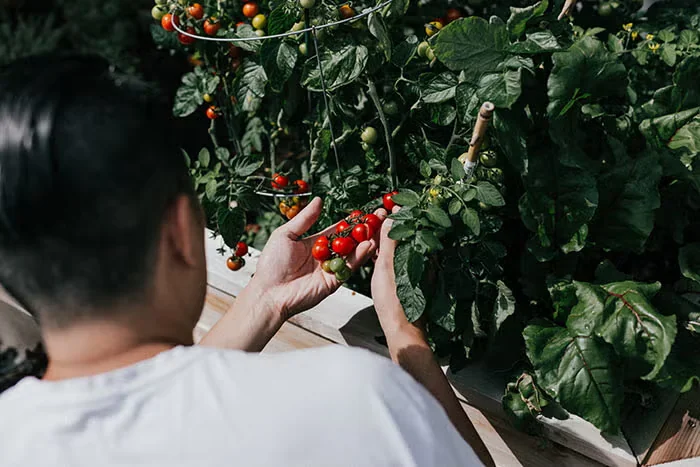
Tomato and pepper varieties seem as countless as the stars. Smaller fruit types grow best in pots. Cherry tomatoes will cascade from hanging pots, but they really prefer to climb. Try 'Patio Princess' or the yellow 'Tumbling Tom' for an abundant harvest. Compact, indeterminate 'Bush Champion', 'Early Girl' and 'Celebrity' produce large fruit quickly with few pest problems. Experiment with different varieties and see what works for both your space and your taste buds. Most importantly, have fun with it, try new things, and take some time to think about how you'll use, store and share your bountiful harvest.
More from Vegetable
5 Techniques for Growing a Vegetable Garden
Whether you're breaking ground on your very first vegetable garden this spring or thinking about expanding the one you already…
Grow Asparagus 'Millennium' for a Long-Lived Vegetable Crop
As vegetable gardeners, we're used to replanting our tomatoes, peas, beans, and greens fresh every spring. But some crops are…
Early Spring in the Vegetable Garden: Crops and Tasks
When spring finally shows up, I'm like most gardeners—itching to get my hands in the dirt. Don't get me wrong, I love my…