Stroll through the produce aisle of your local grocery store and you'd think tomatoes only come in red, carrots are always orange, eggplant is strictly dark…
Stroll through the produce aisle of your local grocery store and you'd think tomatoes only come in red, carrots are always orange, eggplant is strictly dark purple, beans and kohlrabi are green, and cauliflower is white. Those are the most common colors, so naturally that's what stores stock. But flip through a seed catalog or wander into a real vegetable garden and you'll discover that most vegetables actually come in a whole rainbow of colors.
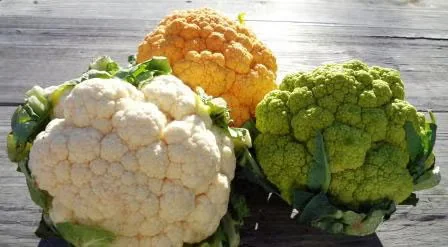
Tomatoes can be white, blue, purple, black, brown, orange, yellow, green, even striped. Carrots cover the full spectrum too—white, yellow, orange, red, purple, and black. Eggplant comes in a whole palette of colors and shapes. And as you can see from that photo up there, cauliflower isn't always white; there's even a purple variety. Growing a mix of colors doesn't just make your garden and dinner plate more interesting—it's genuinely better for you. Different colors in the same vegetable contain different phytonutrients, and your body benefits from the variety. Sure, orange cauliflower is nutritionally closer to white than an orange carrot would be, but mixing things up still wins out. Plus, let's be honest—a colorful garden is just more fun and far prettier to look at.
You've probably heard the phrase "eat a rainbow"—it's all about getting a wide range of fruits and vegetables for balanced nutrition. But that rainbow philosophy works just as well in the garden as it does on the plate. Here's a lovely bonus: when you serve homegrown produce in a range of colors, people get genuinely excited about it. Who wouldn't gravitate toward a crudité platter bursting with multiple colors of each vegetable? It works like magic for getting kids, and even stubborn adults, to actually eat their veggies.
Want to track down some of these colorful varieties? Do a quick online search for the vegetable colors mentioned and you'll turn up plenty of mail-order seed sources. Many local stores carry the same limited color selection as the grocery store, so ordering by mail is usually your best bet for the unusual shades. This growing season, do yourself a favor and plant some color!
Gardening Jones is a Pennsylvania-based master gardener.Read her other Horticulture posts hereandlearn more at gardeningjones.com/.
_____________________________________________Browse all edible-gardening resources, from low-cost how-to downloads to books to seed packs, atGardenersHub.com.
Get 5 individual packets of easy-to-grow colorful vegetables in theSeeds for a Rainbow Kitchen Garden collectionfrom Renee's Garden.
Get 5 fun-to-use garden-planning tools in theGarden Wheel Bundle.Spin the wheels to mix and match plants for your annual, perennial, shade, bird and vegetable gardens.
More from Vegetable
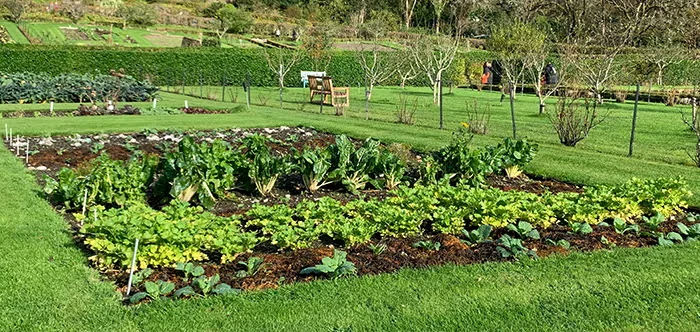
5 Techniques for Growing a Vegetable Garden
Whether you're breaking ground on your very first vegetable garden this spring or thinking about expanding the one you already…
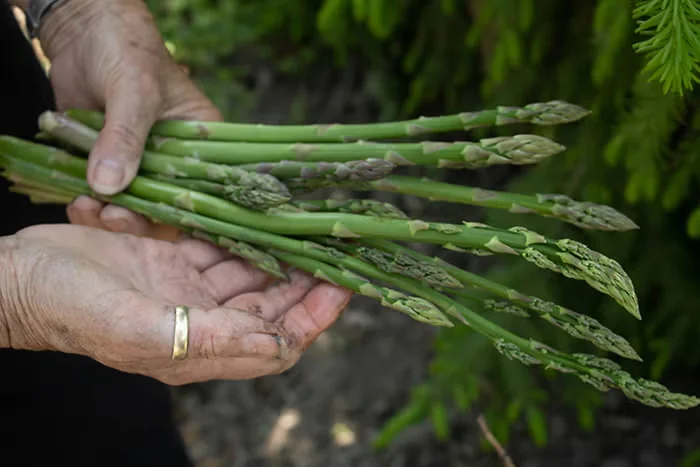
Grow Asparagus 'Millennium' for a Long-Lived Vegetable Crop
As vegetable gardeners, we're used to replanting our tomatoes, peas, beans, and greens fresh every spring. But some crops are…
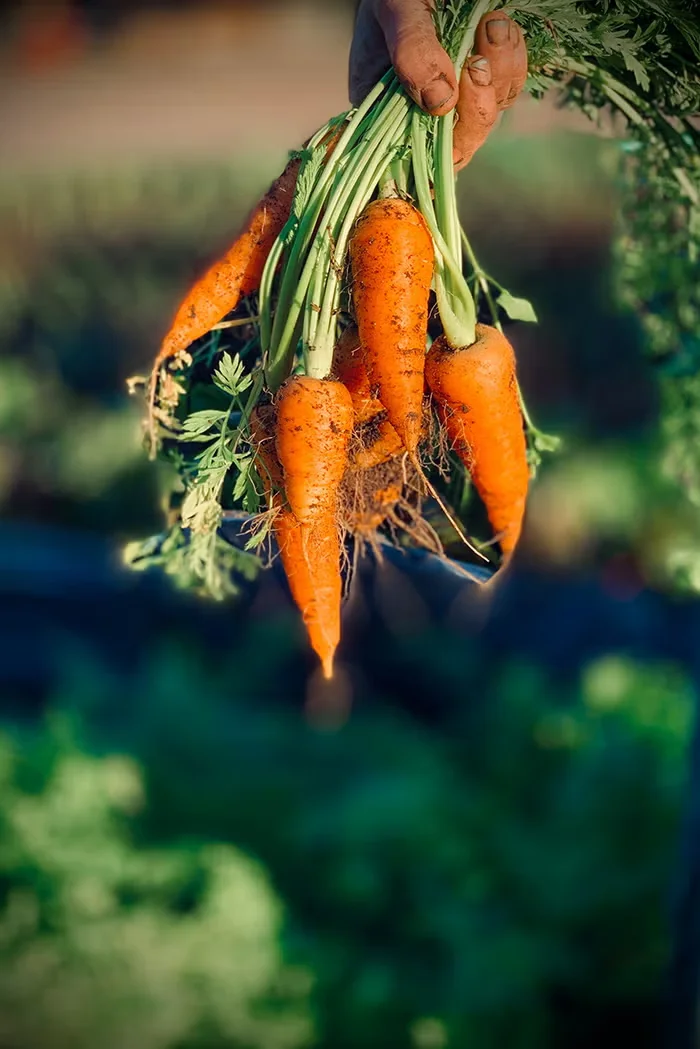
Early Spring in the Vegetable Garden: Crops and Tasks
When spring finally shows up, I'm like most gardeners—itching to get my hands in the dirt. Don't get me wrong, I love my…