Niki Jabbour, who grows vegetables and fruits year-round at her home in Nova Scotia, shares her top picks for cold-tolerant greens that carry your garden…
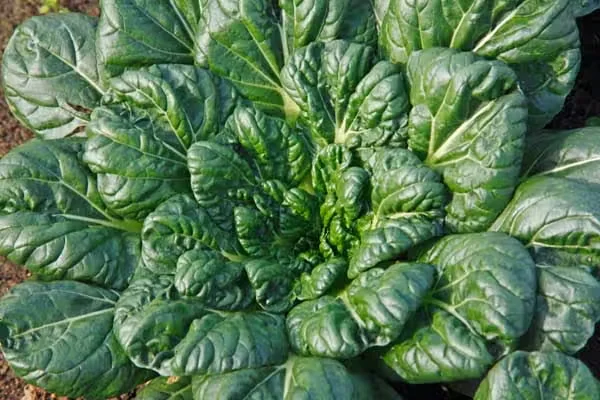
Niki Jabbour, who grows vegetables and fruits year-round at her home in Nova Scotia, shares her top picks for cold-tolerant greens that carry your garden through fall and winter:
For me, September and October mean one crucial job above all else: sowing cold-hardy, fast-growing greens. These crops sit snugly through winter in cold frames and under mini hoop tunnels, ready to harvest by late winter. It couldn't be simpler—prep the soil, sow the seed, and cover everything up once the autumn chill sets in. By late February, the plants are usually big enough to start picking.
It's been roughly a decade since I first dabbled in fall and winter vegetable gardening, and honestly it happened by accident. I noticed that my late-summer arugula patch just refused to quit—even after a few inches of snow buried it in early November. That got me hooked, and I went on a mission to find other crops tough enough to endure the short days and frigid temps of late fall and winter.
That search led me straight to Asian greens—a wonderfully diverse group of salad crops that bring excellent cold tolerance along with an exciting range of leaf shapes, textures, colors, and flavors. I packed my cold frames with bold blocks of bok choy, mizuna, mustard, and tatsoi, and I was blown away by how fast they grew and how tough they were. Like most salad crops, Asian greens love a sunny spot with fertile, moist soil. I like to broadcast the seed in wide blocks, but neat rows work just as well.
Tatsoi (shown) is a low-growing green with deep green, spoon-shaped leaves that form attractive rosettes in the garden. It practically laughs at winter, thriving under the shelter of even a basic cold frame. Toss the young leaves in salads, or let the plants mature and chop them into stir-fries and Asian-style soups.
A member of the mustard family, mizuna puts out delicate-looking yet surprisingly tough frilly leaves in green or green tinged with purple. It's a cinch to grow and shrugs off frost like nobody's business. The flavor has a mild peppery kick, but it's far sweeter and gentler than most mustard greens.
Mustard greens, on the other hand, bring real heat, but they grow beautifully in the cold of late autumn and winter. My favorites are 'Green Wave', with bright green leaves and attractive curled edges, and 'Ruby Streaks', a bi-colored stunner in maroon and green. Those deeply serrated leaves add texture, color, and of course plenty of bold flavor to the salad bowl.
Fun jen (pronounced foon yen) is the superstar of our autumn garden, pumping out homegrown greens for weeks on end—and lasting right into winter if you tuck it under a mini hoop tunnel or cold frame. Technically a looseleaf Chinese cabbage, you'd never guess it from the frilly rosettes that look just like leaf lettuce. The mild flavor and crisp crunch are lettuce-like, too. It's such a looker that fun jen fits beautifully into edible landscaping—tuck it into flowerbeds and borders. I've also had great luck with it in window boxes and big pots on the deck. It's fast: baby greens are ready to pick just 35 days from sowing. Direct-sow the seed four to six weeks before your expected first fall frost, or start it indoors under grow lights for a jump on the season. As the plants mature, those white leaf stems thicken up beautifully—chop them into stir-fries or sauté with garlic, ginger, and soy sauce for a side dish that disappears fast. The big leaves also make terrific wraps for sandwiches or spring rolls.
Find year-round gardening expert Niki Jabbour at savvygardening.com.
Image credit: TOHRU MINOWA / Getty Images
More from Vegetable
5 Techniques for Growing a Vegetable Garden
Whether you're breaking ground on your very first vegetable garden this spring or thinking about expanding the one you already…
Grow Asparagus 'Millennium' for a Long-Lived Vegetable Crop
As vegetable gardeners, we're used to replanting our tomatoes, peas, beans, and greens fresh every spring. But some crops are…
Early Spring in the Vegetable Garden: Crops and Tasks
When spring finally shows up, I'm like most gardeners—itching to get my hands in the dirt. Don't get me wrong, I love my…