Niki Jabbour is Horticulture's go-to expert on growing vegetables year-round, and she's got a checklist that'll get your garden primed for the planting and…
Niki Jabbour is Horticulture's go-to expert on growing vegetables year-round, and she's got a checklist that'll get your garden primed for the planting and growing season ahead. Her advice boils down to five essentials: dig, harvest, sow, clean, and plant.
Early Spring Checklist for Your Vegetable Garden
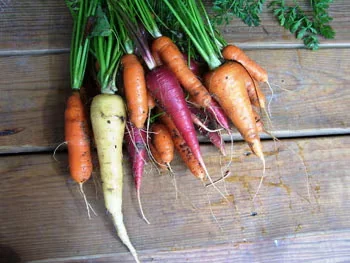
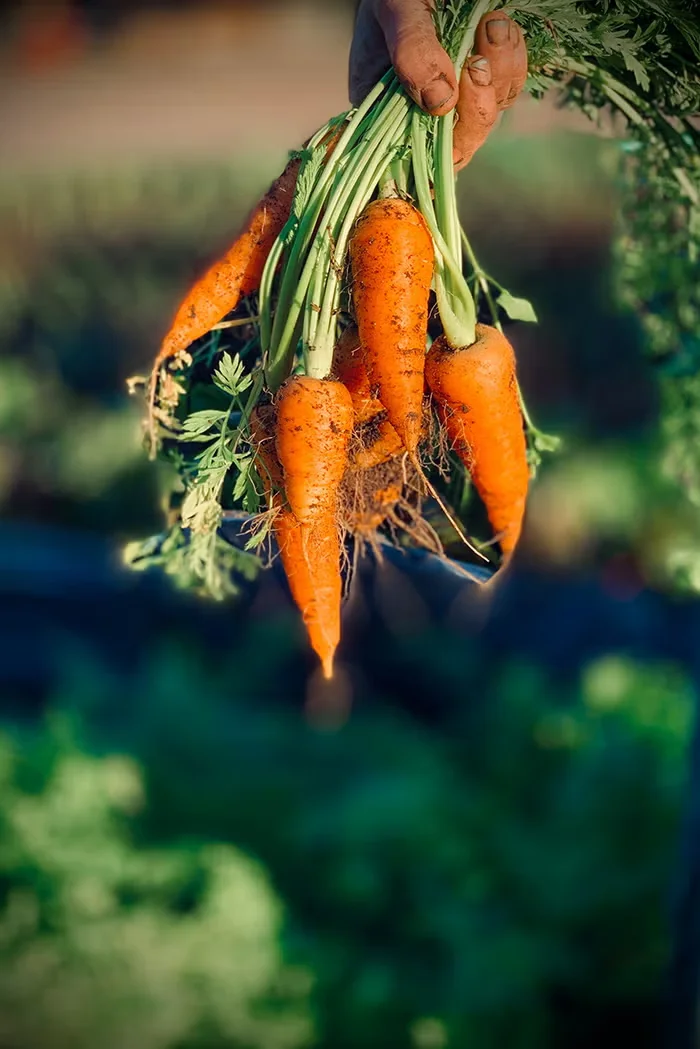
Dig! Get those carrots and parsnips out of the ground before new foliage starts pushing up. If you dawdle and the plants kick into active growth mode, the roots will shrivel up fast and you'll lose quality. I've learned this one the hard way more than once.
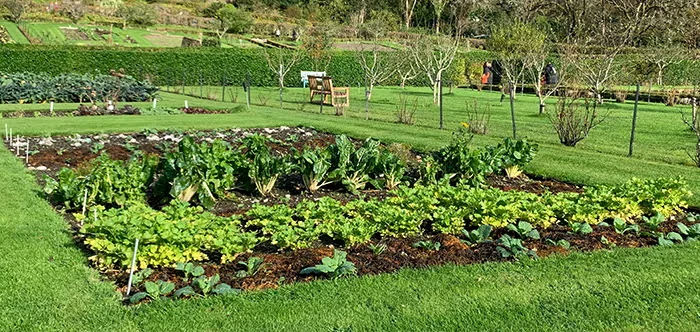
Harvest! Every September and October, I tuck seeds for hardy greens into my raised beds and cover them with a mini hoop tunnel for winter protection. Come March, it's time to crack those covers open and see if the plants have sized up enough to start picking. And don't forget—on those early-spring days when the mercury climbs above 40˚F, open up your structures and give them some air.
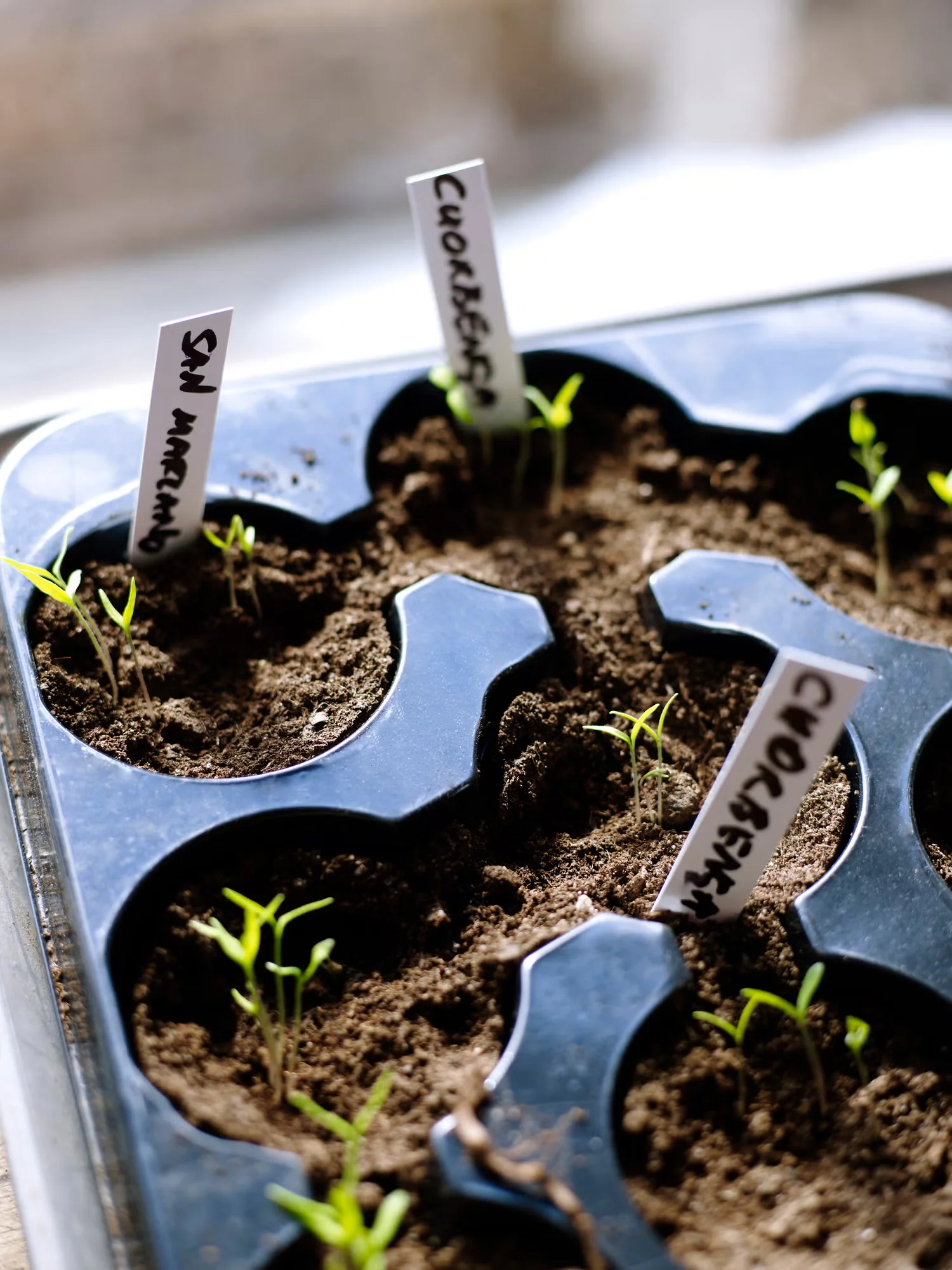
Sow! March and April are the busy season for indoor seed starting, with a wide range of crops getting their start under grow lights. Just be careful to time each one correctly. Start seeds too early and you'll end up with leggy, root-bound transplants that struggle once they move out to the garden.
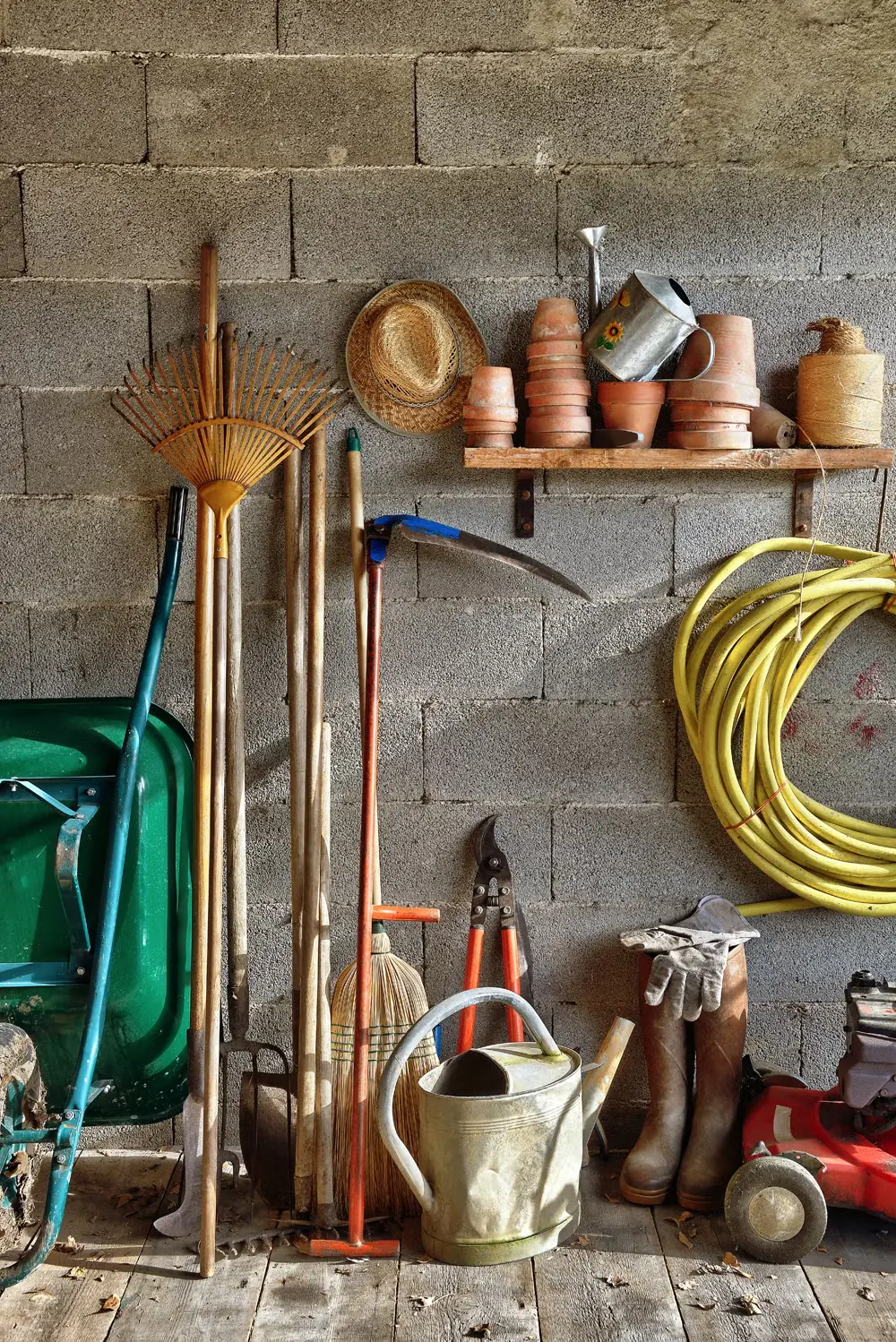
Clean! Get ahead of spring by tackling all those chores you let slide last fall. Sharpen and oil your pruners, round up the tomato cages, stakes, and trellises still standing in the garden, and give everything a once-over. Spread a fresh layer of shredded leaves, straw, or wood chips along your pathways so you're not wading through mud after every spring rain.
Plant! If you love ginger, why not grow your own this year? It's a natural for containers on a sunny deck, and you can bring the pots indoors when autumn rolls around for a winter harvest. Pick up a plump section of organic ginger at the grocery store—look for a root with at least two eyes (those little cone-shaped bumps). Soak it in warm water for 8 to 10 hours, then plant it two inches deep in a wide, shallow container filled with quality potting mix. Keep the soil moist but not soggy, and set the pot in bright, indirect light. You should see sprouts in a few weeks. Give the plant three to four months to get established before you start reaching down to harvest pieces of the root as you need them.
To read the full article these tips were excerpted from check out theMarch/April 2018 issue ofHorticultureand read Niki Jabbour's Edibles Year-Round column. You candownload the entire issue here.
More from Vegetable
5 Techniques for Growing a Vegetable Garden
Whether you're breaking ground on your very first vegetable garden this spring or thinking about expanding the one you already…
Grow Asparagus 'Millennium' for a Long-Lived Vegetable Crop
As vegetable gardeners, we're used to replanting our tomatoes, peas, beans, and greens fresh every spring. But some crops are…
Early Spring in the Vegetable Garden: Crops and Tasks
When spring finally shows up, I'm like most gardeners—itching to get my hands in the dirt. Don't get me wrong, I love my…