Rhubarb gives you those gorgeous edible leaf stalks with a tart, tangy punch all their own. Pair them with sweet strawberries and you've got a classic combo,…
Rhubarb gives you those gorgeous edible leaf stalks with a tart, tangy punch all their own. Pair them with sweet strawberries and you've got a classic combo, or let the stalks take center stage in sweetened jams, pies, and jellies. There's really nothing quite like a rhubarb pie fresh from the oven on a cool spring morning.
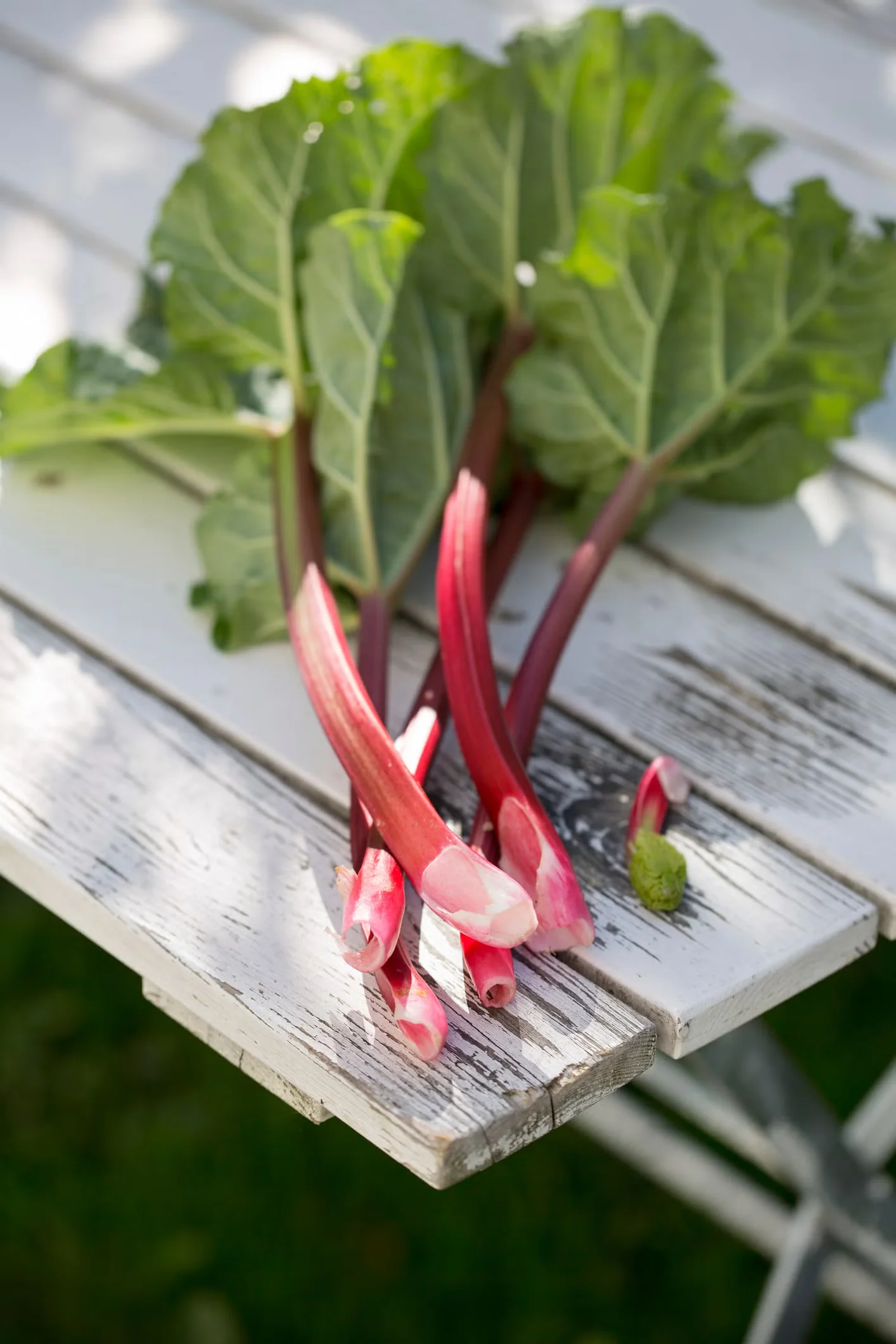
Here's what you need to know about harvesting rhubarb the right way:
• Is your rhubarb plant new or established? If it's freshly planted, hold off on harvesting that first year. I know it's tempting, but giving the plant time to settle in pays off big time—rhubarb is a long-lived perennial, and patience in year one means stronger stalks for years to come. Wait a year or two before you start picking.
• Check if the rhubarb is "ripe." First, make sure the plant is actually ready to harvest. This is pretty straightforward. The prime harvest window runs from spring to early summer—typically April through June in the northern climates rhubarb calls home. Look for stalks that stand at least 10 to 15 inches tall and measure 1 to 2 inches across at the base.
From a well-established plant, you can keep harvesting for about 8 to 10 weeks. On younger plants that have been in the ground fewer than four years, rein it in to about three weeks or less. For plants over four years old, you can stretch that to 1 to 3 weeks of picking.
Even though you can technically keep picking into early fall, it's smarter to stop sooner. The plant needs time to store energy for winter survival and a strong comeback next spring.
The bottom line: when you make that final harvest, leave roughly a third to nearly half the stalks on the plant so it can recover. Treat your rhubarb right and it'll reward you with bountiful harvests for many, many years.
• How to harvest: Grasp the stalk near the base and give it a gentle pull-and-twist motion. That's really all there is to it! Sometimes a stubborn stalk won't release easily, and in that case a pair of garden shears works just fine—cut it cleanly at the base. Once you've got your stalks, trim off the leaves and discard them right away. Rhubarb leaves are toxic and should never be eaten, so don't even think about tossing them in a salad.
Photo credit: Sonja Dahlgren/Getty Images
More from Harvest
Niki Jabbour's Tips for When to Harvest Vegetables
There's nothing worse than putting months of effort into your garden only to pick at the wrong time and miss peak flavor. Knowing…
Growing Cucumbers to Maximize Their Harvest
Text by Niki Jabbour for the May/June 2019 issue of Horticulture.
Compact Edible Plants for Small-Space Gardens
Picture this: you're on your back patio, and you reach over to pluck a sun-warmed cherry tomato from a plant barely eight inches…