There's nothing worse than putting months of effort into your garden only to pick at the wrong time and miss peak flavor. Knowing when to harvest is…
There's nothing worse than putting months of effort into your garden only to pick at the wrong time and miss peak flavor. Knowing when to harvest is everything. Plus, picking crops like peas and beans regularly actually boosts the yield—the plants keep churning out new flowers and pods the more you pick.
So how do you know it's go-time? Look for clues like the size and color of the fruit, pod, or plant, and keep an eye on the "days to maturity" on the seed packet—that's the average time from seed to harvest. The seed packet or transplant tag should also describe the visual signals that tell you a crop is ready.
The specifics vary from one variety to the next, but there are reliable commonalities. Here's my advice for harvesting 18 homegrown favorites:
Snap beans—bush and pole alike—are ready when the pods hit four to six inches long. For the best quality, pick before the seeds inside start to swell. Harvest every day or two to keep the plants pumping out new pods.
Tender baby beets are ready once the roots reach golf-ball size. Gently brush away a little soil from the top of the root to check. If it's one-and-a-half to two inches across, it's time. If you're storing beets for winter, let them reach full maturity—most varieties grow to three or four inches across.
Harvest broccoli when the heads are tightly packed with bright green buds and measure six to eight inches across. Use a sharp knife to slice the head from the stalk. After the main harvest, I leave the plants standing for a few extra weeks so we can enjoy the side shoots that keep coming.
I grow a lot of baby cabbage varieties like 'Pixie', which are ready just two months from seeding. At that point the heads span four to five inches and are tightly packed. Main-season cabbages produce heads six to eight inches across; those are ready when they feel both firm and full-sized.
The easiest way to check carrots is to dig up one root and see for yourself. Start harvesting baby carrots when the shoulders are about a half-inch across, or let them grow to their full mature size. To avoid snapping the tops, loosen the soil with a garden fork first, then pull.
Corn has a surprisingly narrow window for peak sweetness. As the days-to-maturity date approaches, I test by harvesting one ear. The kernels should be plump and release a sweet, milky sap when you pierce one with a fingernail. Once you confirm the corn is ready, pick it all and eat it as soon as you can—that sugar starts converting to starch the moment you pull it.
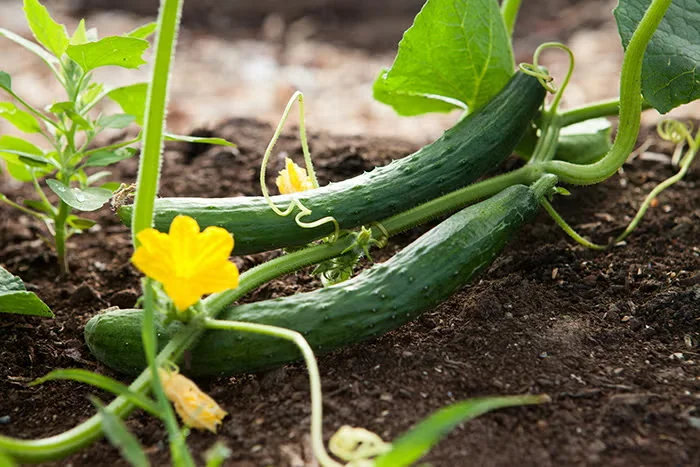
I start picking cucumbers when the fruits are just a touch smaller and lighter than the size and color described on the seed packet. Pickling types come off at two to three inches; slicers at five to eight inches; and English cucumbers at twelve to fourteen inches long.
Eggplant used to trip me up, but it's actually straightforward once you know what to look for. Pick when the fruits are just slightly smaller than the packet indicates and the skin is firm and glossy. If the skin has gone dull, you've waited too long.
I grow kale for both baby greens and mature leaves. Baby greens are ready just a month from sowing, when they're two to four inches tall. Most varieties mature at 50 to 60 days—that's when you can start harvesting full-sized leaves for chips, salads, and soups.
Like kale, lettuce does double duty as baby salad greens or full-sized heads. Pinch or clip the young leaves for salads, or harvest mature heads by slicing them off just above the soil line.
I love pulling immature onions during the growing season to slice raw into salads or toss on the grill. The main crop is ready in late summer, when about a third of the leaves have flopped over. Dig the bulbs carefully with a garden fork and cure them for several weeks before storing.
When the pea harvest kicks off in late spring, you'll find me out in the pea patch every day! I grow shell, snow, and snap peas, all of which should be picked daily. Shell peas are ready when the pods plump up; snow peas when the flat, tender pods reach two to four inches; and snap peas when the crisp pods hit two to three inches.
Sweet peppers shift from green to red, orange, yellow, purple, and even white as they mature. You can pick them green or let them ripen fully for maximum sweetness—your call. Hot peppers are ready when they hit the size and color you're after. Jalapeños are usually picked green, while cayennes are left to ripen red.
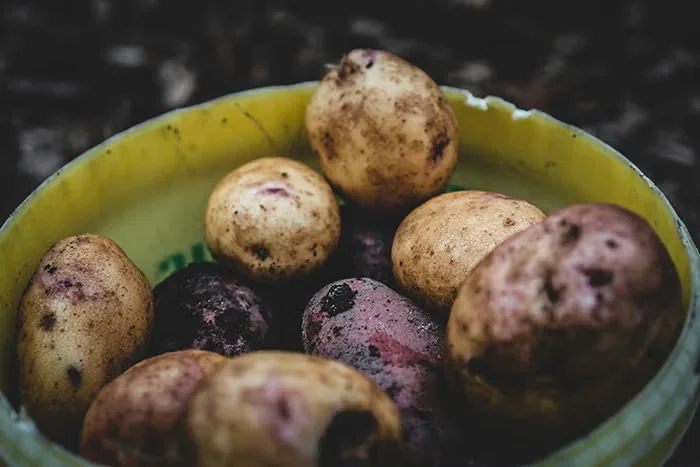
I love new potatoes and start digging them in midsummer once the plants finish flowering. You can dig the whole plant or just sneak a few small tubers from each one. Storage or main-crop potatoes wait until frost kills the plants in autumn. Dig carefully with a garden fork to avoid spearing your spuds.
Spinach is a short-lived crop but delicious at every stage. I start picking when the leaves are about two inches long and keep going until the plants bolt (send up those flowering stems).
Summer squash is one vegetable you really must pick while it's still young and tender. Use pruners to clip the fruits when they're four to six inches long, or two to three inches across for round and pattypan types. Trust me—overgrown zucchini is nobody's friend.
Winter squash is the opposite: pick only when fully mature. The days to maturity will have passed and the rind should show its final color. But get them in before a hard frost, which can damage the fruits and cut short their storage life.
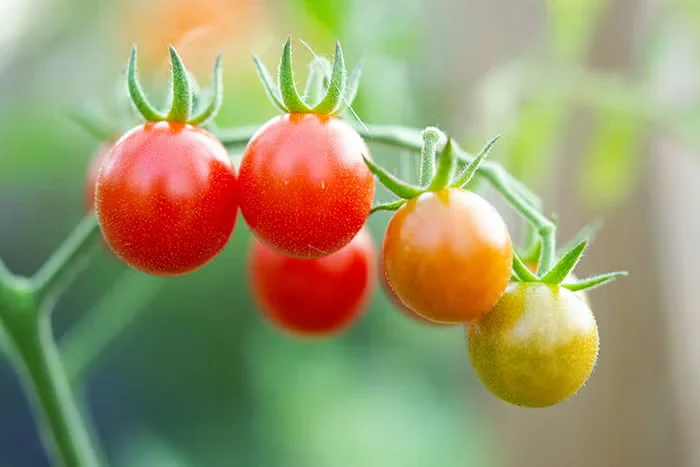
Pick cherry and grape tomatoes when the fruits are fully colored. For large slicing tomatoes, I like to harvest when roughly half the fruit has changed color. Why? Fully ripe tomatoes on the vine are an open invitation to critters, and they're prone to splitting. So I pick them half-ripe and let them finish coloring up on the kitchen counter—tastes just as good, and I get more of them.
More from Harvest
Growing Cucumbers to Maximize Their Harvest
Text by Niki Jabbour for the May/June 2019 issue of Horticulture.
The Right Way to Harvest Rhubarb in 3 Steps
Rhubarb gives you those gorgeous edible leaf stalks with a tart, tangy punch all their own. Pair them with sweet strawberries and…
Compact Edible Plants for Small-Space Gardens
Picture this: you're on your back patio, and you reach over to pluck a sun-warmed cherry tomato from a plant barely eight inches…