Text by Niki Jabbour for the May/June 2019 issue of Horticulture.
Text by Niki Jabbour for the May/June 2019 issue of Horticulture.
Cucumbers love heat and go in the ground after the last spring frost. For most gardeners, that one planting is it for the season. Not in my garden, though—I plant cucumbers two or three times to keep a steady supply of top-quality fruits coming for as long as possible.
Most cucumber plants slow down a few weeks after harvest kicks in—it's just what they do. Succession planting stretches the productive window by at least a month. When starting a second crop, watch soil moisture closely. Summer heat dries things out fast, and dry soil makes it tough for new plants to get established. Here are the varieties that have performed well for me in succession plantings:
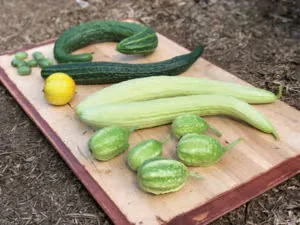
The Asian variety 'Suyo Long' produces long, slender fruits with sweet flavor and a satisfying crunch. Those bumpy cukes can reach 15 inches, but you can pick them at any size. One thing to know: if the vines run along the ground, the fruits curl. Grow them on a trellis for nice straight cucumbers.
The Armenian cucumber is technically a muskmelon, but everyone grows and sells it as a cucumber. The skin is thin and never turns bitter, and the fruits are crisp and mild-flavored. They can hit 24 inches, but I pick most at 12 to 15 inches—that's the sweet spot. I'm also a big fan of white- and yellow-skinned cucumbers, and 'Salt and Pepper' is a standout among these. It resists several diseases including powdery mildew and pumps out a heavy crop of three- to five-inch pale white fruits.
'Lemon' is a beloved heirloom with charming round fruits that shift from pale green to bright yellow as they mature. The trick is picking them while they're still green to light yellow. Once they hit full lemon yellow, they've gone past their prime.
Image credit: Niki Jabbour
More from Harvest
Niki Jabbour's Tips for When to Harvest Vegetables
There's nothing worse than putting months of effort into your garden only to pick at the wrong time and miss peak flavor. Knowing…
The Right Way to Harvest Rhubarb in 3 Steps
Rhubarb gives you those gorgeous edible leaf stalks with a tart, tangy punch all their own. Pair them with sweet strawberries and…
Compact Edible Plants for Small-Space Gardens
Picture this: you're on your back patio, and you reach over to pluck a sun-warmed cherry tomato from a plant barely eight inches…