After the Boston Tea Party of 1773, patriots scrambled for alternatives to the British-imported Chinese tea. All across the colonies, "liberty teas" sprang up,…
After the Boston Tea Party of 1773, patriots scrambled for alternatives to the British-imported Chinese tea. All across the colonies, "liberty teas" sprang up, featuring kitchen-garden herbs like thyme, sage, and rosemary. But folks also turned to native plants for brewing, drawing on the wisdom of Native Americans. Here are popular native tea plants that earned their place back then—and absolutely deserve a spot in your garden or teapot today:
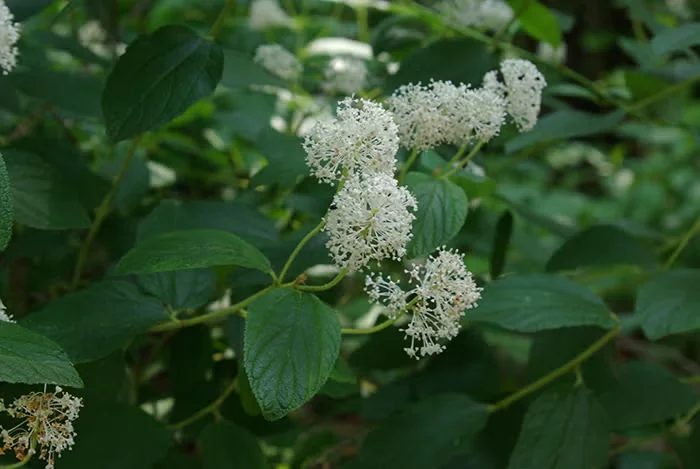
New Jersey tea (Ceanothus americanus; USDA Zones 4–8)—an autumn-blooming shrub with white flowers that's happy in sun or part shade and tolerates dry soil. Steep a teaspoon of dried leaves for a nicely flavored cup.
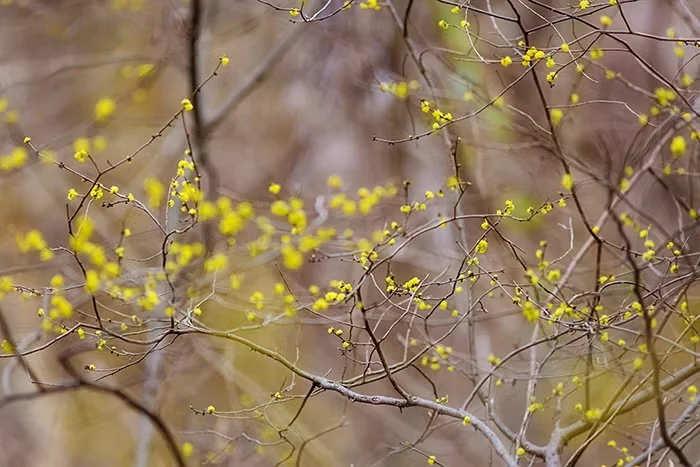
Spicebush (Lindera benzoin; Zones 4–9)—a real beauty for partial shade, this shrub treats you to early-spring flowers and golden fall foliage. For a citrus-tinged iced tea, crush and soak the leaves in tepid water for a few hours, then chill and sweeten to taste. In winter, steep inch-long twigs in hot water for about 15 minutes for a cozy, woodsy brew.
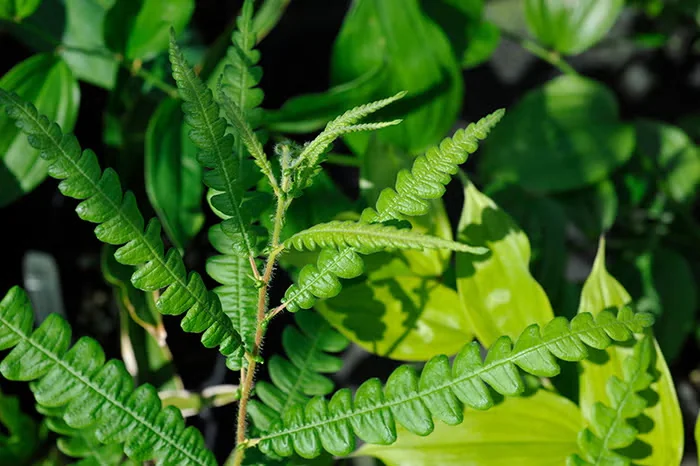
Sweet fern (Comptonia peregrina; Zones 2–6)—don't let the name fool you; this tough little plant handles poor, disturbed soils and partial shade with ease, making it great for edging a driveway or walkway. Crush fresh fronds and soak them in tepid water for an hour for a pleasant light tea, or steep a single dried frond for just a minute or two for a warming hot cup.
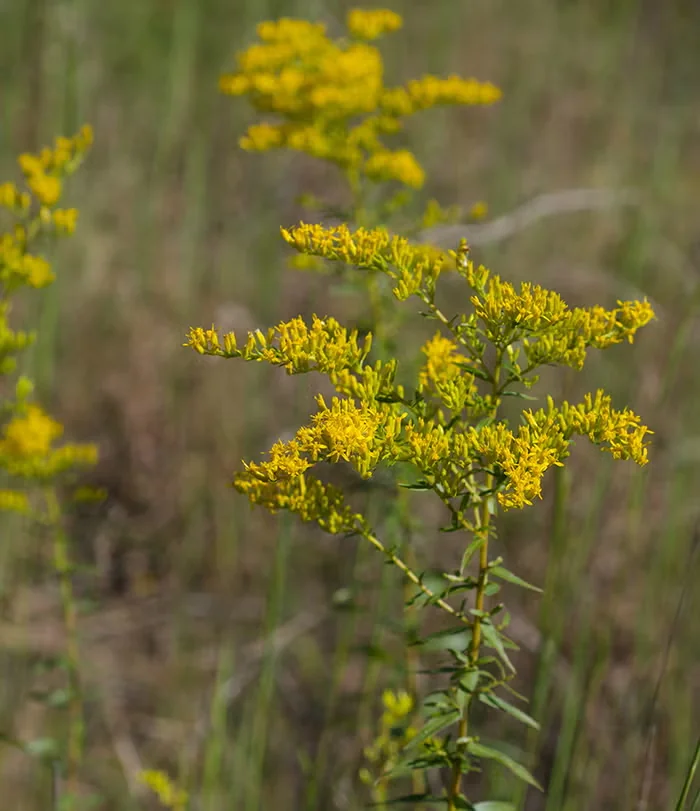
Anise-scented goldenrod (Solidago odora; Zones 4–9)—also called sweet goldenrod, this species brews up a lovely licorice-flavored drink and, unlike some goldenrods, it won't take over your garden. Use fresh leaves or dried flowers and leaves for your tea.
Adapted from "Liberty Teas" by Akshay Ahuja, Horticulture March/April 2016.
Image credits: New Jersey tea byPam Morgan/Public Domain; Spicebush byMelissa McMasters/CC by 2.0; Sweet fern byMegan Hansen/CC BY-SA 2.0; Goldenrod byEric Hunt - Own work, CC BY-SA 4.0
More from North
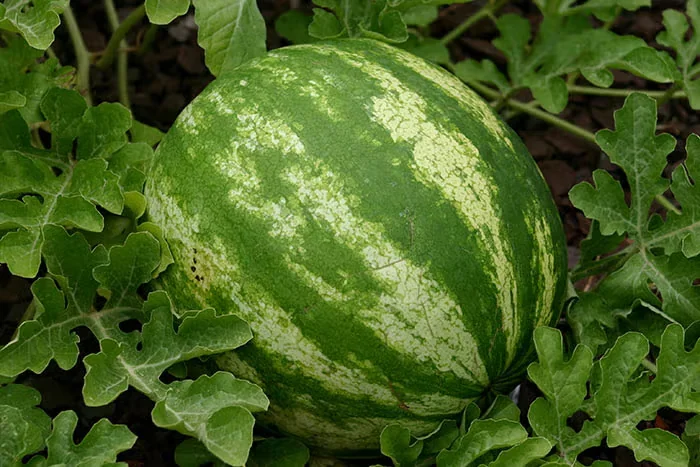
How to Grow Watermelon in the North
I get it—growing watermelon up north feels like a gamble. This heat-loving crop usually needs a long, warm season to set and…
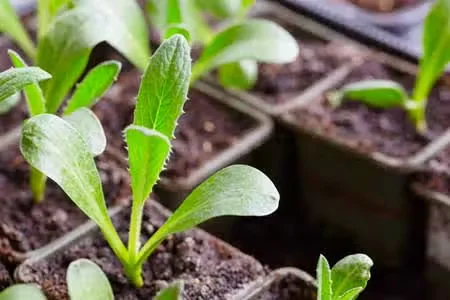
Growing Artichokes from Seed in the North
Growing artichokes up north might sound like a long shot, but it's surprisingly doable—and once you've tasted the buttery…
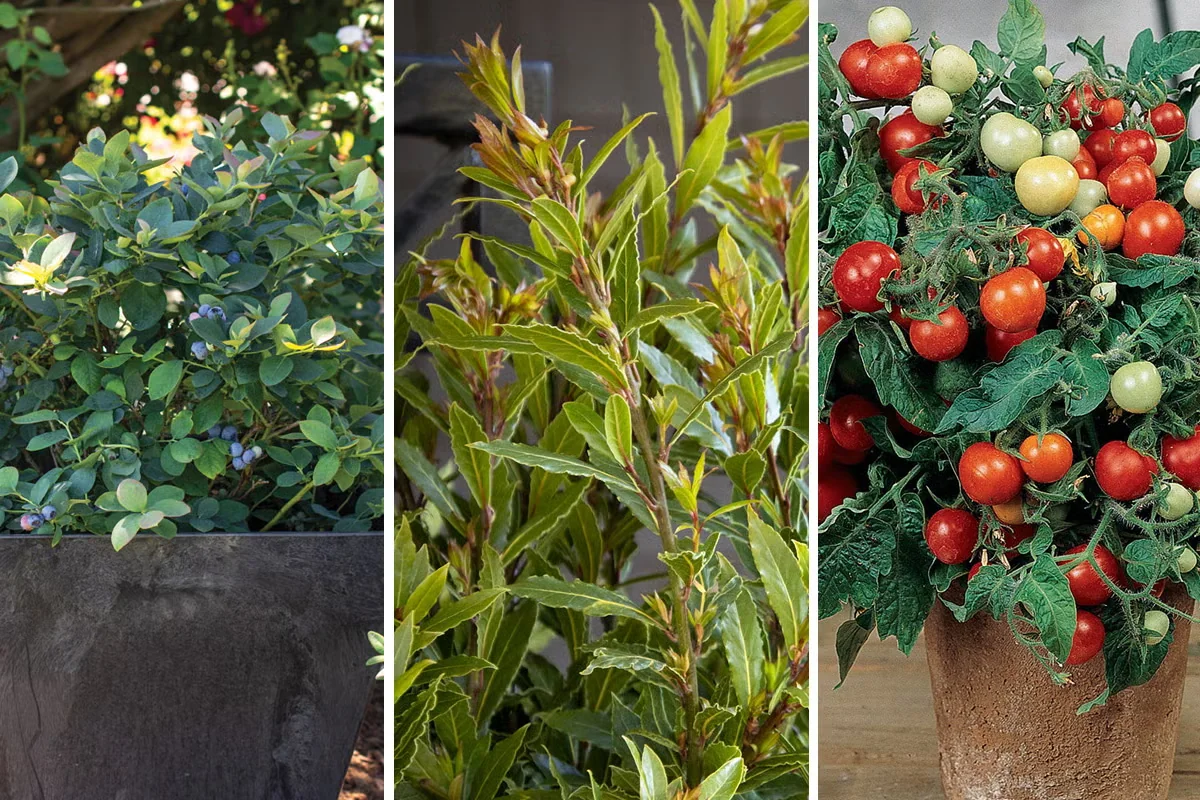
Compact Edible Plants for Small-Space Gardens
Picture this: you're on your back patio, and you reach over to pluck a sun-warmed cherry tomato from a plant barely eight inches…