I get it—growing watermelon up north feels like a gamble. This heat-loving crop usually needs a long, warm season to set and ripen fruit, and that's in short…
I get it—growing watermelon up north feels like a gamble. This heat-loving crop usually needs a long, warm season to set and ripen fruit, and that's in short supply in colder climates. But don't write it off just yet. With a few tricks, a Northern watermelon patch can actually deliver.
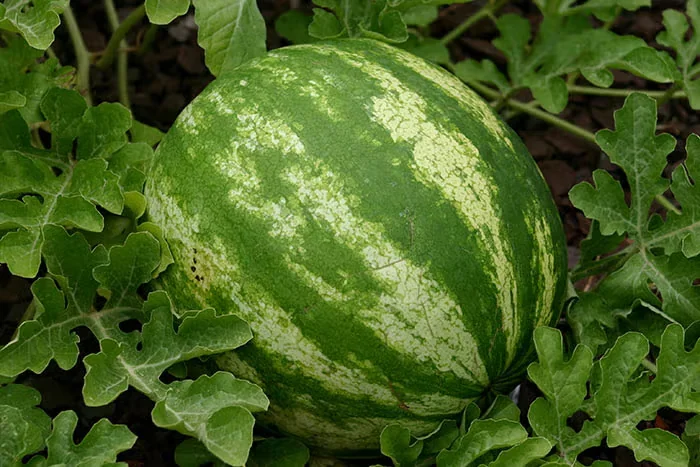
Here's how to make watermelon work in colder Northern climates:
Choose varieties with the shortest "days to harvest" number you can find. 'Sweet Dakota Rose' was bred right in North Dakota, so you know it can handle the cold. Also try 'Blacktail Mountain', 'Sweet Siberian', or 'Mini Love', which is both early-ripening and conveniently small—the perfect personal-size melon.
Start from seed, sowing indoors about four weeks before your last frost date. Use four-inch peat pots or similar containers so you can skip potting up—watermelon roots are fragile, and any disturbance at transplant time sets them back badly. I put a heating mat under the seed pots to speed germination, but turn it off once they've sprouted. Read more about seed-starting heating mats.
Don't plant out seedlings until soil temperature stays above 65˚F around the clock. (Related: "Soil Temperature Is Critical to Garden Plants.") I lay black or clear plastic over the bed to warm the soil faster. When transplanting, cut holes in the plastic and plant right through it—the plastic stays in place, keeping soil warm day and night. Black plastic blocks weeds and holds heat; clear plastic heats even better but lets weeds sprout underneath.
Raised beds warm up faster than ground-level soil, which is a real advantage up north. A compact variety like 'Sugar Baby' fits beautifully in a raised bed—another good option if space is tight.
Looking for more watermelon growing tips? Find advice for every region here.
Image credit:Jane Dickson, CC BY-SA 2.0 via Flickr.com
More from North
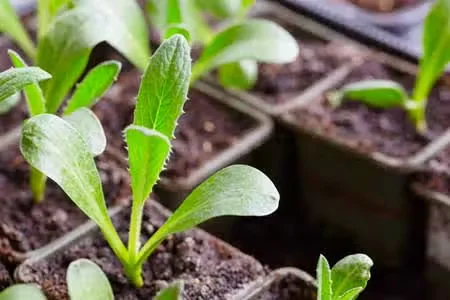
Growing Artichokes from Seed in the North
Growing artichokes up north might sound like a long shot, but it's surprisingly doable—and once you've tasted the buttery…
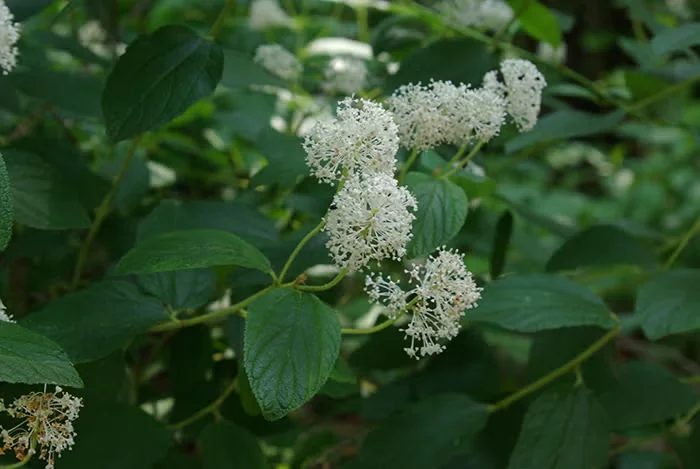
Tea Plants Native to North America
After the Boston Tea Party of 1773, patriots scrambled for alternatives to the British-imported Chinese tea. All across the…
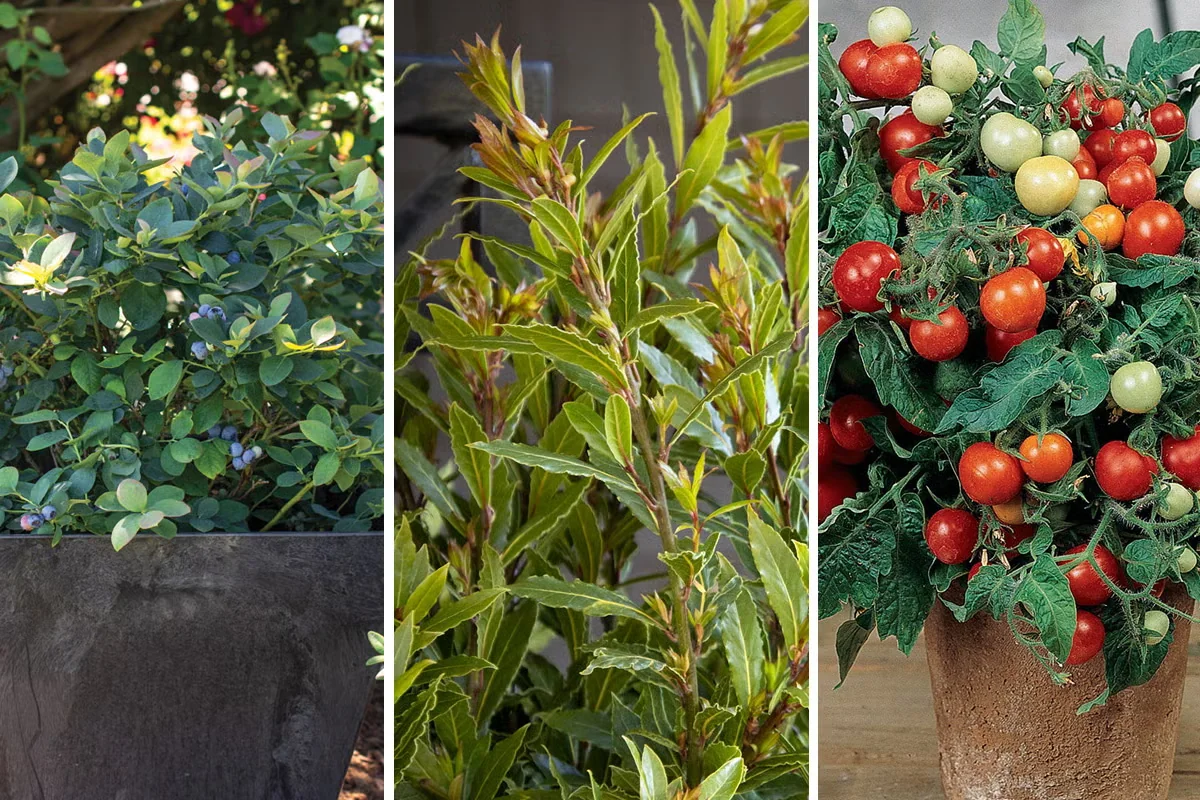
Compact Edible Plants for Small-Space Gardens
Picture this: you're on your back patio, and you reach over to pluck a sun-warmed cherry tomato from a plant barely eight inches…