Growing artichokes up north might sound like a long shot, but it's surprisingly doable—and once you've tasted the buttery tenderness of homegrown 'chokes,…
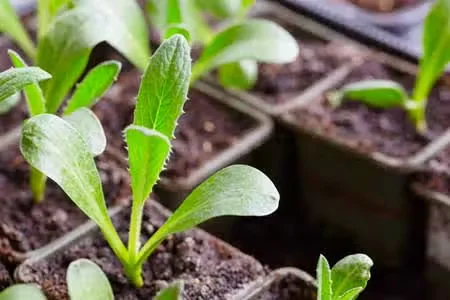
Growing artichokes up north might sound like a long shot, but it's surprisingly doable—and once you've tasted the buttery tenderness of homegrown 'chokes, you'll never go back to the store-bought ones.
It all comes down to picking the right variety. For cool-climate growers, that's 'Imperial Star', bred specifically to produce in a single season. These plants reach about two to three feet tall with a lovely open, vase-shaped habit and silvery green foliage that's ornamental enough to earn them a spot in edible landscaping. Come harvest time, each plant gives you one to two main buds (three to four inches across), followed by five to seven smaller chokes (two to three inches across)—more than enough for a good feed.
Sow the seeds in late winter so the plants have 8 to 10 weeks of indoor growing before heading outside. In USDA Zones 7 and warmer, artichokes are perennials that bear buds in their second year, but up North we have to trick them into acting like second-year plants right away. The secret is a short cold treatment: set your seedlings outside in mid-spring when temps are hovering around 45˚ to 50˚F (8˚ to 10˚C).
You can plant them straight into prepared beds or keep the seedlings in their pots tucked in a sheltered spot—think a deck, cold frame, or unheated greenhouse. If temps threaten to dip below freezing, throw some cloches or a row cover over them for protection.
After 10 to 14 days of that chill, the plants think they've weathered a winter and start behaving like seasoned second-year growers. From there, you can expect your harvest to kick off in midsummer and keep going right up until frost.
Niki Jabbour grows edible plants year-round near Halifax, Nova Scotia. She's the author of The Year-Round Vegetable Gardener and Groundbreaking Food Gardens. Find her at savvygardening.com.
Image credit: proxyminder / iStock / Getty Images
More from North
How to Grow Watermelon in the North
I get it—growing watermelon up north feels like a gamble. This heat-loving crop usually needs a long, warm season to set and…
Tea Plants Native to North America
After the Boston Tea Party of 1773, patriots scrambled for alternatives to the British-imported Chinese tea. All across the…
Compact Edible Plants for Small-Space Gardens
Picture this: you're on your back patio, and you reach over to pluck a sun-warmed cherry tomato from a plant barely eight inches…