You'd be surprised how many edibles you can tuck into an ornamental garden without sacrificing a bit of beauty. Take amaranth and quinoa, for instance—both are…
You'd be surprised how many edibles you can tuck into an ornamental garden without sacrificing a bit of beauty. Take amaranth and quinoa, for instance—both are stunning, tall flowering plants grown mainly for their edible seeds, though quinoa's young leaves are also delicious. They come in a wonderful range of colors and would create a real showstopper of a backdrop in any sunny garden bed.
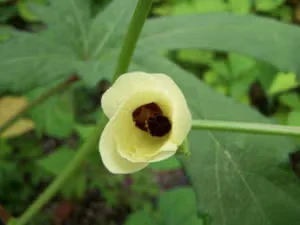
Those okra flowers up there? So stunning that plenty of folks grow okra just for the blooms alone. But it'd be a crying shame not to harvest the pods while they're young and tender—toss them into a seafood gumbo or a batch of bindi masala and you'll be hooked. Flax is another beauty, available in blue, white, red, and gold varieties. It puts out the most delicate little flowers atop feathery leaves on stems anywhere from one to three feet tall. The real prize is the seed that follows, perfect for baking or even standing in for eggs or oil in plenty of recipes. (Read more on growing flax.)
Nasturtiums are just one of the many edible flowers worth growing. They come in a cheerful range of colors and carry a mild peppery kick. I love tossing them into salads or using them as a garnish, and I've even seen them frozen into ice cubes for a bit of whimsy in a punch bowl—now that's a conversation starter!
Herbs—far too many to list—are probably the most common edibles you'll find mixed into ornamental beds. Some earn their spot with gorgeous foliage, like purple and green basils. Others put on a show with exotic-looking flowers; milk thistle comes to mind. A good number of herbs are perennial, which means less replanting for you. The annual ones often reseed themselves with wild enthusiasm. A word of caution, though: some herbs can turn aggressive depending on your climate. Anything in the mint family—that includes balms and oregano—will happily take over your entire garden, so stick to containers for those.
Carrots and parsnips keep the good stuff hidden underground, but up top you get these lovely, delicate, fern-like leaves. The tops can reach about two feet, but they're airy and tend to sway gently, making them a surprisingly attractive addition to any garden bed.
Ornamental hot peppers like 'Chinese 5 Color' bring both novelty and flavor to the garden. This mildly hot variety puts on quite the show, shifting from purple to cream, then yellow, orange, and finally red as the peppers mature. At any given moment, you'll likely spot all five colors scattered across the plant. It's a compact grower too, which means it's perfectly happy in a container.
Sweet potatoes are actually cousins of morning glories, and they make a gorgeous vining groundcover. Who'd guess that under all those pretty leaves—which are edible, by the way—lies a treasure trove of nutrition? If you've got a tiered area in your yard, sweet potatoes would be fantastic along the edge, letting those lush vines cascade down like a living waterfall.
Wild purslane gets written off as a weed by plenty of gardeners, but it's actually packed with nutrition. The cultivated varieties look far tidier than their wild cousins, with thick, succulent leaves and dainty little flowers. Those leaves are the edible part and make a wonderful addition to salads. Fair warning—it can spread aggressively in some areas, because even though it's technically an annual, it reseeds with abandon. You can keep it in check by pinching off the flowers as they appear, or at least before they've had a chance to set and scatter seed.
Gardening Jones is a Pennsylvania-based master gardener.Read her other Horticulture posts hereandlearn more at gardeningjones.com/.
_____________________________________________
TheVeggie Gardener's Answer Bookcovers all the challenges and questions you may face as you plan, plant, tend and reap from your edible garden.
Get 5 beautiful, aromatic, flavorful varieties of basil in theBasil Lovers Bonanza seed collectionfrom Renee's Garden, or choose theEasy to Grow Container Herb Garden seed collection.
Make the most of a small garden space with the techniques for mixing edible and ornamental plants, using containers, building soil and more inI Garden: Urban Style.
More from Edible
Compact Edible Plants for Small-Space Gardens
Picture this: you're on your back patio, and you reach over to pluck a sun-warmed cherry tomato from a plant barely eight inches…
Growing Garlic and Other Edible Alliums
Text by Caleb Melchior for the November/December 2018 issue ofHorticulture.
Native Fruits for the Edible Landscape
Folks love to say something is "as American as apple pie," but here's the twist—the apple isn't actually native to North America.…