Text by Caleb Melchior for the November/December 2018 issue ofHorticulture.
Text by Caleb Melchior for the November/December 2018 issue ofHorticulture.
Bob Anderson lives and breathes garlic. Once you follow his tasting routine with a few homegrown cloves, you'll be swept right up in the excitement: "When I talk about tasting garlic, I mean tasting the raw clove. Bite off the upper half of the clove, or the middle, and see what life has to offer for the next 60 seconds."
"There are 10 basic types of garlic, with hundreds of cultivars, or cultivated varieties, within each type," Anderson explains. Oddly enough, a lot of those cultivars look nearly identical on the outside. It isn't until you actually bite into the cloves that even the most die-hard garlic lover will pick up on the differences. "There's an Artichoke variety called 'Red Toch'; it's an early-harvest variety with a rich flavor, musky and earthy," Anderson says. "There's 'Inchellium Red', which looks the same as 'Red Toch' but has a completely different taste. It's a true medium. Then there's another Artichoke variety, 'Lorz Italian', with nice fat cloves. It will blow your socks off it's so hot." This incredible lineup is a whole different universe from those sad, shriveled garlic heads at the supermarket.
Favorite garlic varieties "Garlic is a living thing," Anderson says. "You may not see it in motion, but every clove is evolving to become a new mother bulb." His own garlic obsession started with a single head: "Twenty-five years ago, my wife brought home a head of elephant garlic. I wanted to eat it. My wife wanted to plant it. We compromised—we planted it."
After that first taste of garlic growing, Anderson was hooked. "You plant that one garlic, then the next year you have 5 bulbs, 125 the next," he says. His passion simmered along until the family moved to their ranch in central Texas. That's when he started cultivating a wide range of varieties to sell through his website, Gourmet Garlic Gardens. Anderson has stepped back from selling garlic online these days, but the site is still a handy resource for connecting garlic lovers with sources of rare varieties.
If you're itching to dive into the fragrant world of garlic devotion, Anderson recommends tracking down a specialty grower and picking up a sampler with at least two heads of each variety. "That way, you have one head to eat and one to plant," he says. He's especially fond of Creole varieties, a group developed in southern Europe that performs beautifully even in warm-winter climates. Creole garlics offer a wonderful range of flavor profiles depending on which one you grow. 'Rose de Lautrec', bred in the south of France, has "a taste reminiscent of Dijon mustard." 'Creole Red' is "a bit like shallots," while 'Ajo Rojo' is "very hot, an instantly hot garlic." Creole garlics are a godsend for Southern gardeners, opening up successful garlic growing in places where other types just can't hack it—think central Texas and the Gulf Coast. After all, who wants to miss out on a year-round garlic harvest?
Garlic in a garden Brie Arthur first got into growing alliums out of sheer desperation—voles were decimating the bulbs she'd planted in her North Carolina garden.
"We sat out and watched them go through 300 tulips in 20 minutes," Arthur recalls. "So I decided, if I couldn't grow tulips anymore, I'd try growing edible bulbs." The following autumn, she filled the bed with garlic sets. Much to her amazement, the voles not only didn't eat the young plants—they actively avoided them.
"You'd see the mole hill heading toward the bed, then they'd just veer away." That got Arthur thinking—what if she used the garlic border as a living barrier to keep the critters out of ornamental plantings? It worked like a charm. She ended up with the best of both worlds: a terrific allium harvest plus a gorgeous spring flush of tulip flowers. She's gone on to use alliums as rodent-repelling borders on all kinds of plantings.
"I use onions as an edge on shrub borders," she explains, "and garlic on annual plantings." As we speak, she has more than 300 purple onions nearing harvest along the edges of her gardens. Over the past few years, she has trialed over 30 garlic varieties, but she's settled on 'Music' as her go-to favorite. Its "enormous bulbs" and reliable performance have made this Porcelain group variety Arthur's top pick.
"Planting garlic and onions as edging in foodscapes makes them easy to harvest," she says. Plus, these allium borders put space to work that would otherwise just sit empty. Beyond these short-term crops, Arthur swears by perennial alliums such as chives (Allium schoenoprasum) and the Egyptian walking onion (A. cepa var. proliferum), an oddball onion that produces clusters of tiny bulbils atop tall stalks that eventually topple over, causing the plants to "walk" away from where they started.
"I like to use the walking onions around mixed borders, with phlox and salvias," Arthur says. "I also use them around my asparagus, since they stay in place all year." These hardy perennials stick around year-round, offering constant protection from rodents.
Growing garlic Garlic is one of the easiest crops you'll ever grow, even if you're a bit of a lazy gardener (like me). If you follow Bob Anderson's advice and go with a sampler, your bulbs should arrive in mid-autumn. "Plant in fall after the soil temperature has cooled and moisture levels have risen," Anderson advises.
He points out that "garlic needs full sun. Plenty of water. It doesn't like to stand in water, but it does like to have its roots damp." Those bed edges Brie Arthur talks about? Perfect spot.
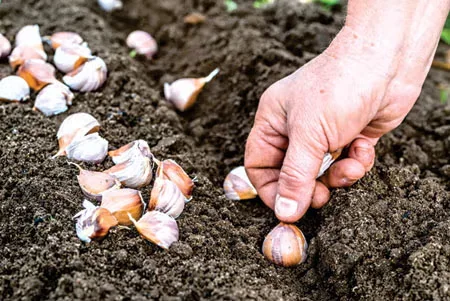
Break the heads apart into individual cloves. Keep different cultivars separated and clearly labeled, or you'll be scratching your head come harvest next spring. Poke individual cloves into the ground, three to four inches deep and four inches apart. Smooth the soil back over and water them in. That's really all there is to it. Fall-planted garlic can be harvested the following spring and summer.
"The heat of oncoming summer forces garlic to mature," Anderson says. "The longer garlic can stay in the ground, the better." Watch for the leaves to start withering in late spring. "When there's nothing left but seven or eight leaves, dig down and examine size of the bulbs," he says. "If they're not big enough, cover back up and wait another week or two."
If you decide to try Brie Arthur's Onion Barricade technique to shield vulnerable plantings, your biggest chore will actually be processing and preserving the harvest. Garlic needs to be cured—allowed to dry in a shady spot with good air circulation.
"I first pull the garlic up and stash it [covered] in wheelbarrows for a week, then let it hang on my neighbor's covered porch for three more weeks to cure," Arthur says. "If I couldn't use their porch, I'd hang it in a hothouse or covered porch and leave a fan running while it cures."
After curing, garlic will keep anywhere from three months (typical of early-maturing Asiatic group cultivars) to ten months (for 'Music' and other Porcelain group varieties). If you don't have the setup to cure large quantities of garlic, freshly harvested bulbs can be dug up and processed into paste with oil. Freeze the paste and you'll have garlic ready to go all year long.
"It's easy to just break a piece off the frozen paste," Arthur says. Or, you could freeze the paste in tablespoon dollops (larger if you're as fond of garlic as I am). Toss a few of those into your minestrone, and you'll taste a burst of summer even on the dreariest winter afternoon.
You may not become a full-on garlic fanatic, but even a single garlic border will breathe fresh life into your cooking. Bite into a few raw cloves and wait for the flavor revelations to hit you.
Image credit: alicjane/iStock/Getty Images
More from Edible
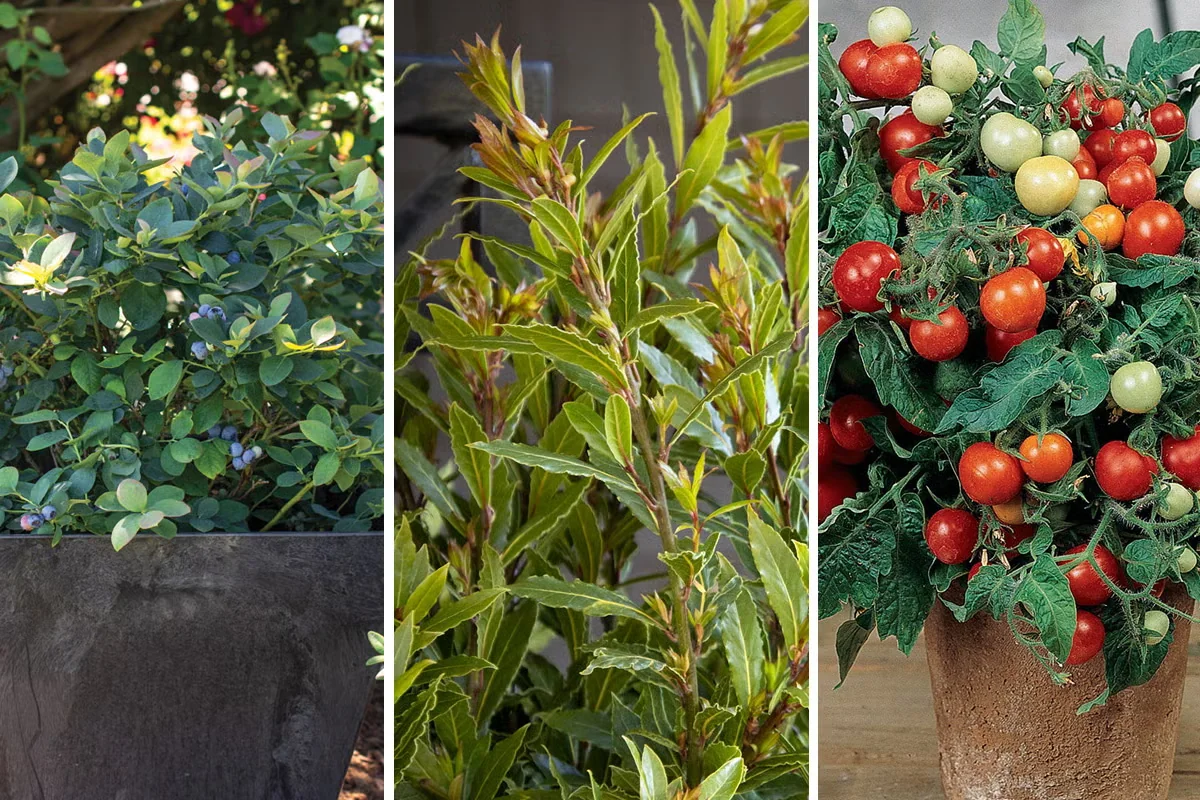
Compact Edible Plants for Small-Space Gardens
Picture this: you're on your back patio, and you reach over to pluck a sun-warmed cherry tomato from a plant barely eight inches…
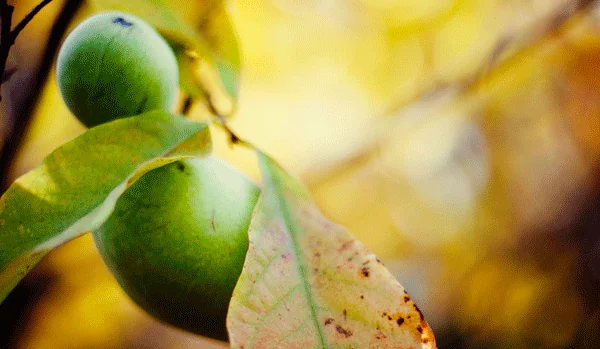
Native Fruits for the Edible Landscape
Folks love to say something is "as American as apple pie," but here's the twist—the apple isn't actually native to North America.…
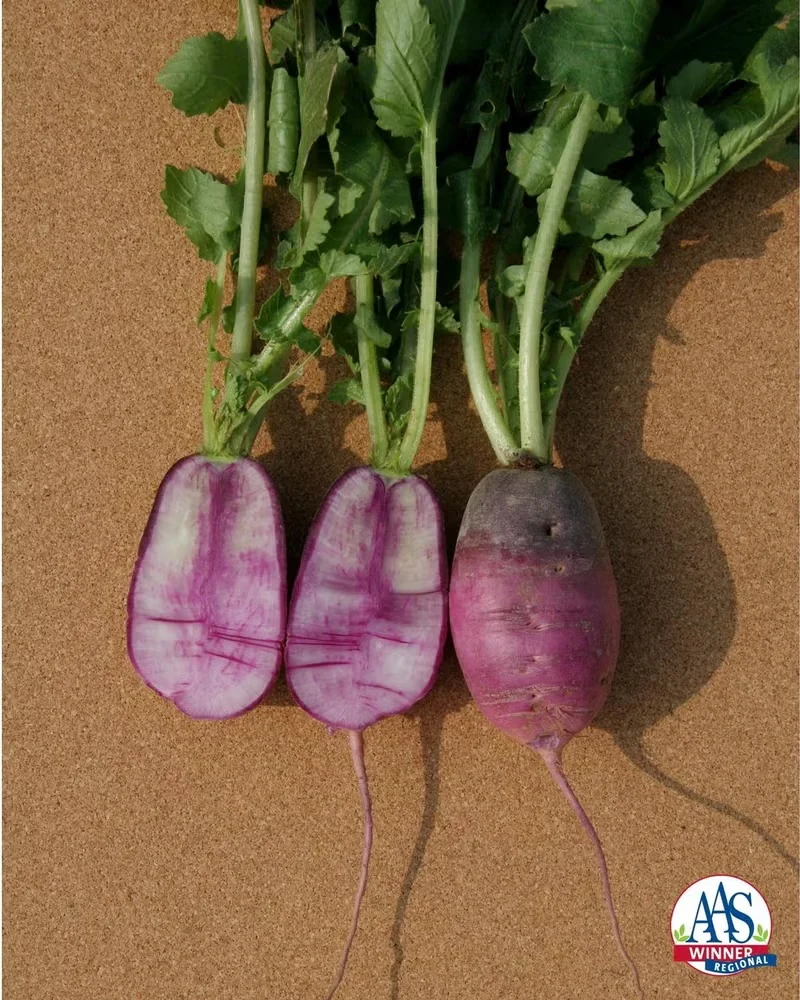
Edible Spotlight: Sweet Baby Radish
The All-America Selections judges couldn't stop talking about Sweet Baby's color—both inside and out—along with how remarkably…