Folks love to say something is "as American as apple pie," but here's the twist—the apple isn't actually native to North America. If you want truly homegrown…
Folks love to say something is "as American as apple pie," but here's the twist—the apple isn't actually native to North America. If you want truly homegrown fruit, plant these native trees, shrubs, and vines. The bonus? Most of them you won't find in any supermarket produce aisle.
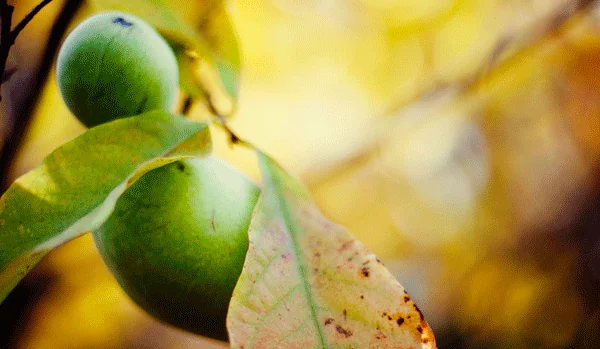
The Pawpaw (Asimina triloba) is the biggest edible native fruit in North America, sometimes tipping the scales at a full pound. It grows on a small, pyramidal tree that's native to bottomland forests across roughly the eastern half of the United States and into southern Canada. Pawpaw flavor can vary from fruit to fruit, but you can count on reliable taste from cultivars like 'Potomac', 'Rebecca's Gold', and 'Sunflower'.
The American Persimmon (Diospyros kaki) is a study in contrasts compared to its Asian cousin. Asian persimmons are bright and beautiful when ripe; American persimmons look downright homely—wrinkled and almost rotten-looking at peak ripeness. But don't let appearances fool you. At the right moment of ripeness, American persimmons deliver a richer, deeper flavor and a silky-smooth texture that's hard to beat. These grow on large trees in the same regions as the pawpaw but are remarkably adaptable across North America. 'Meader', 'Killen', and 'Wabash' are standout cultivars.
Muscadine Grapes (Vitis rotundifolia) grow wild across the South—they're the southern cousin of the Concord-type slip-skin grapes that New Englanders and Great Lakes gardeners know so well. These native grapes have a thick, tart skin that you pop open to get at the sweet flesh inside, which is one reason they've never caught on commercially like European varieties. 'Ison', 'Tara', and 'Fry' are popular backyard Muscadine picks, and they're tough enough to thrive well outside the South, too.
Image: Pawpaw. Credit: Moazzam Ali Brohi / Moment Open / Getty Images
More from Edible
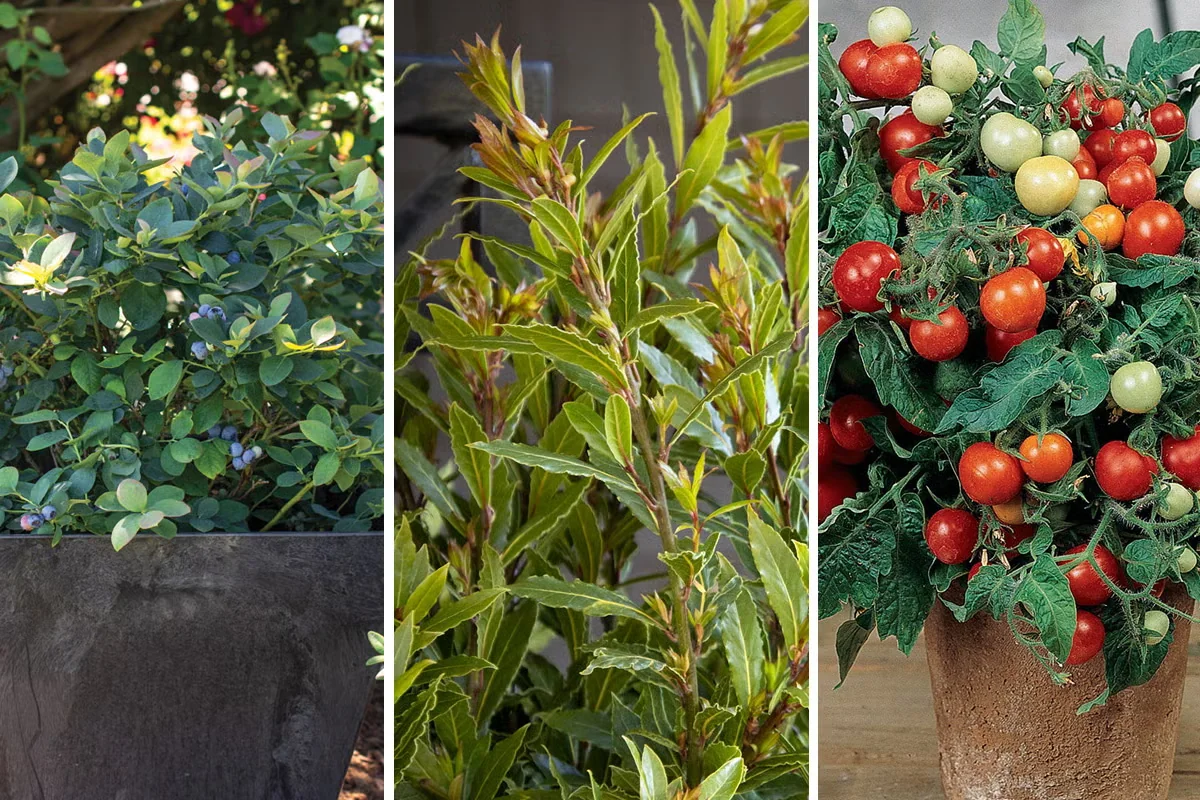
Compact Edible Plants for Small-Space Gardens
Picture this: you're on your back patio, and you reach over to pluck a sun-warmed cherry tomato from a plant barely eight inches…
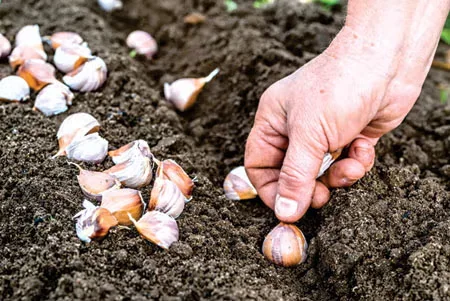
Growing Garlic and Other Edible Alliums
Text by Caleb Melchior for the November/December 2018 issue ofHorticulture.
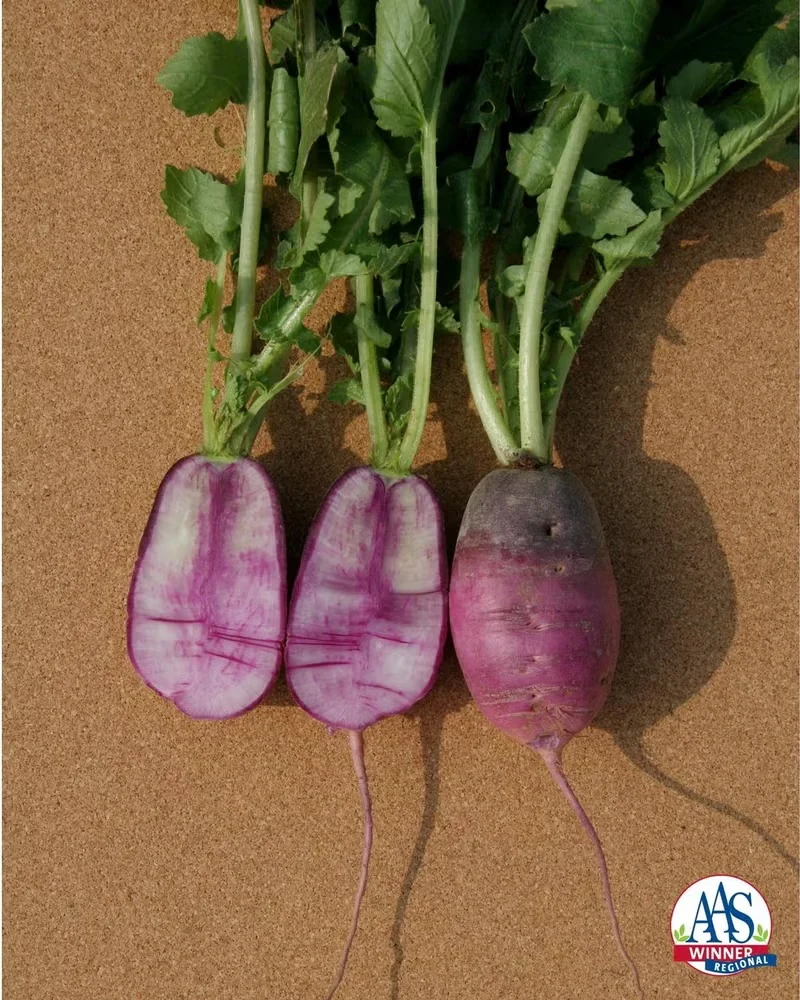
Edible Spotlight: Sweet Baby Radish
The All-America Selections judges couldn't stop talking about Sweet Baby's color—both inside and out—along with how remarkably…