I know, winter feels like a lifetime away when you're sweating through July. But trust me—if you want a steady harvest of homegrown vegetables through autumn…
I know, winter feels like a lifetime away when you're sweating through July. But trust me—if you want a steady harvest of homegrown vegetables through autumn and into the cold months, now's when the planning happens. The trick is growing the right crops at the right time and giving them the right kind of protection.
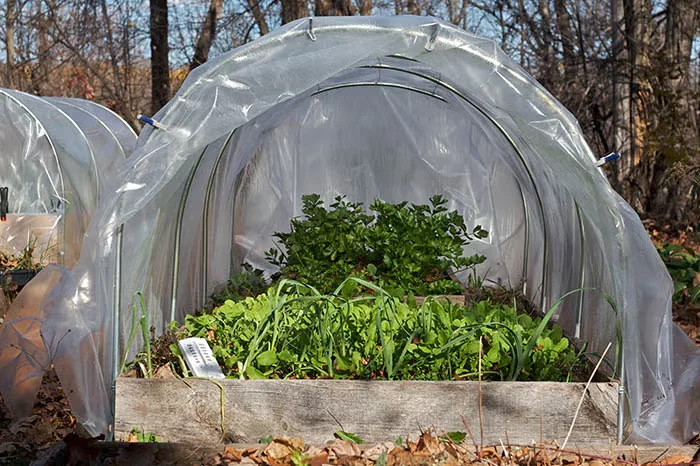
The right crops are the tough, cold-tolerant ones—kale, leeks, carrots, celeriac, spinach, mache, scallions, and endive. Most of these need to go in the ground mid- to late summer. Timing varies by where you live, of course. Here in Nova Scotia, I transplant autumn broccoli and kale seedlings into the garden right around August 1st. That's also when I direct-sow carrot seeds for winter harvest. The faster salad crops—spinach, arugula, lettuce, mizuna, and tatsoi—I plant in early to mid-September, then tuck them under season extenders as the weather cools. I rely on a few different setups:
Row covers. They look a bit flimsy, I'll admit, but don't let that fool you—these can easily stretch your autumn harvest by a solid month. Lay them right on the crops or float them over wire hoops.
Mini hoop tunnels. These are genuinely useful, easy to build, and won't break the bank. I make the hoops from half-inch PVC or metal conduit, set them over the garden beds, and cover with row cover or six-mil greenhouse poly. Takes an afternoon and lasts for years.
Cold frames. Think of them as bottomless wooden boxes with clear tops—they're year-round food factories, honestly. I use mine to shelter root crops like carrots and beets, plus all kinds of cold-tolerant salad greens. Once you have one, you'll wonder how you managed without it.
Finally, mulch. It's probably the simplest and cheapest way to keep harvesting root and stem crops deep into winter. In late autumn, I pile a 12- to 18-inch layer of shredded leaves or straw over my carrot, beet, celeriac, and leek beds, then anchor it with a piece of fabric or old row cover. Done right, you can harvest straight through till spring.
Image credit: Chiot's Run/CC BY-NC 2.0
More from Fall Gardening
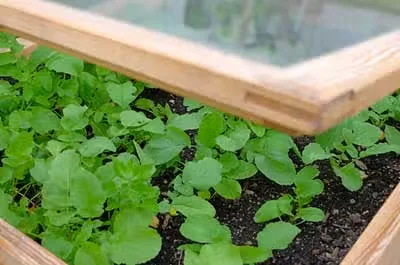
Cold Frames and Hoop Tunnels Need Fall Maintenance
Here's a quick, easy, and absolutely crucial maintenance tip for anyone using cold frames and hoop tunnels to stretch the growing…
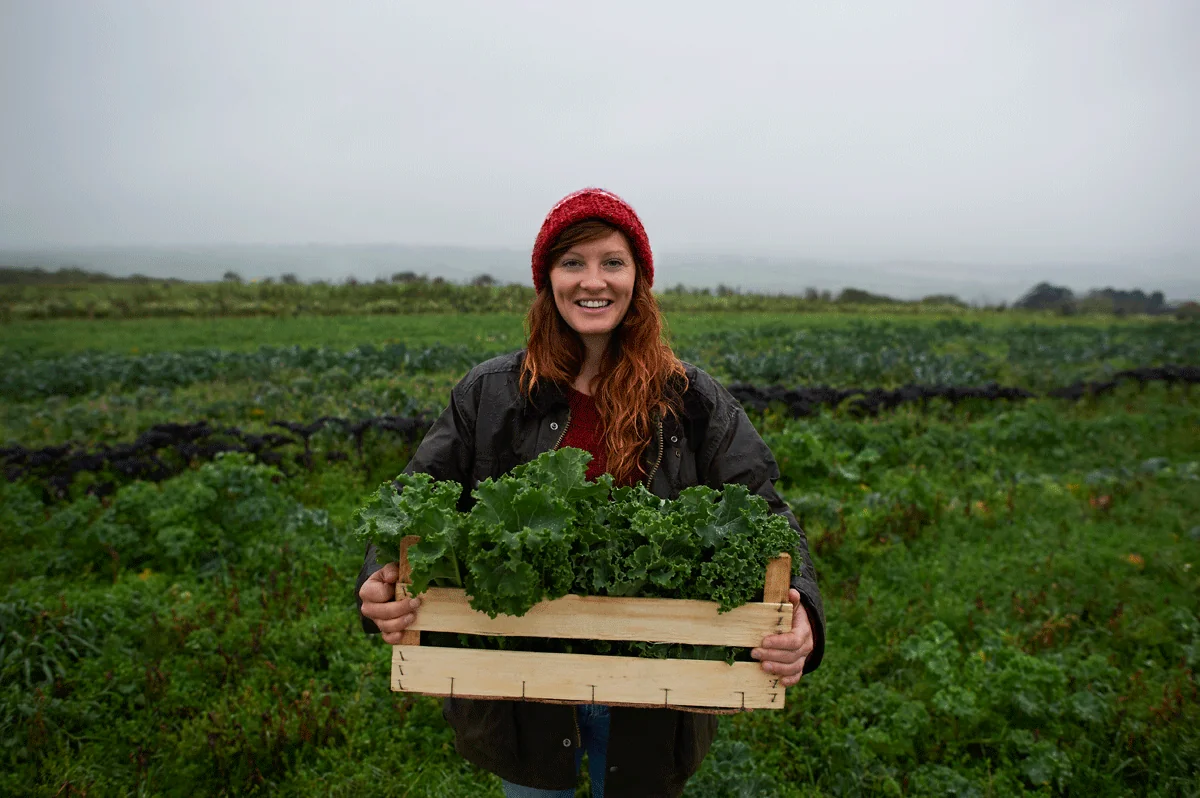
Fall Veggies to Plant: Tips from an Expert Gardener
Guest post by Niki Jabbour,Horticulture's edibles columnist, with ideas for fall veggies to plant. Niki plants all year near…
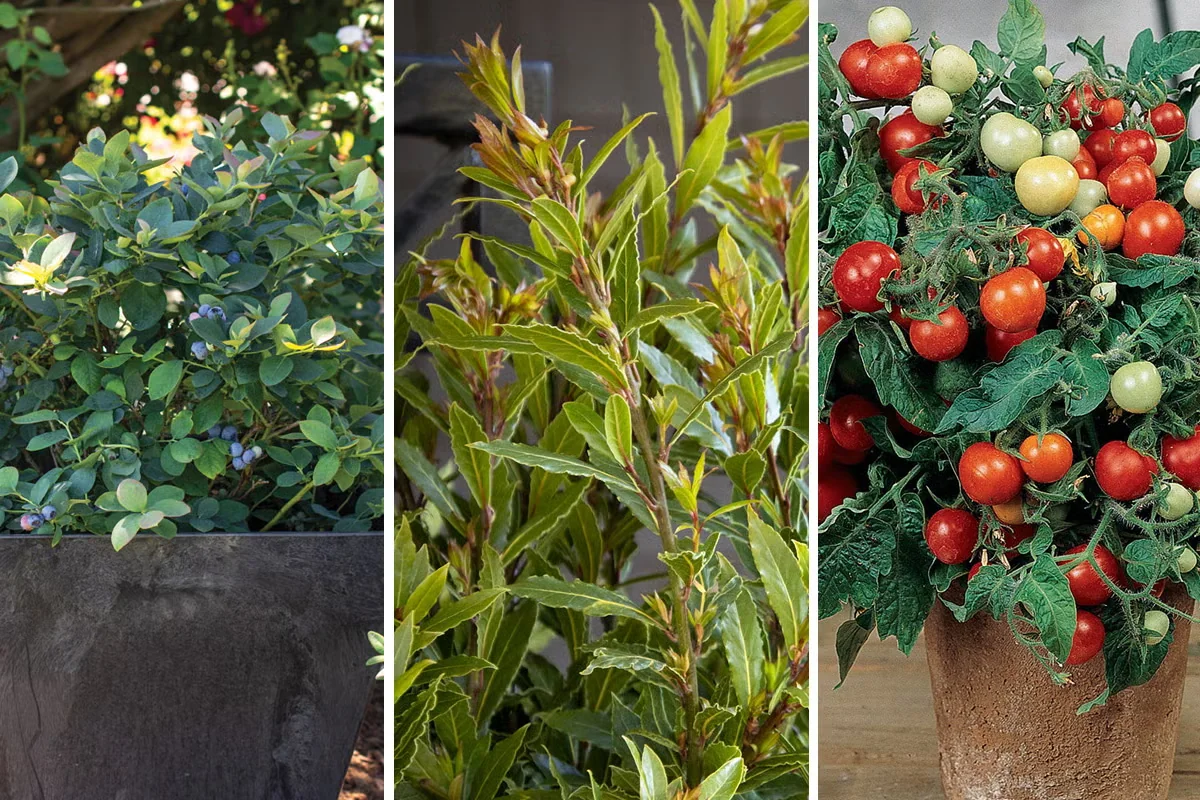
Compact Edible Plants for Small-Space Gardens
Picture this: you're on your back patio, and you reach over to pluck a sun-warmed cherry tomato from a plant barely eight inches…