Over the years I've written about countless vegetables, fruits, and flowers, and I've always enjoyed championing new varieties—some discovered as happy natural…
Over the years I've written about countless vegetables, fruits, and flowers, and I've always enjoyed championing new varieties—some discovered as happy natural mutations, others the careful work of plant breeders (pun fully intended, I can't help myself). Plenty of plants I featured decades ago just needed the right name to catch on. The alligator pear went nowhere until it became the avocado; the Chinese gooseberry sat on shelves until someone rebranded it as the kiwifruit.
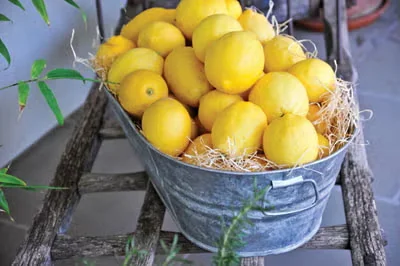
Some recommendations I stand by happily—seedless 'Saturn' and 'Niagara' grapes for Northern growers, columnar apple trees for anyone growing apples in pots or tight spaces. But I curse the day I decided to try hardy kiwi cultivars in New England. For reasons I still can't fathom, I've never produced a single edible kiwifruit from self-fertile or male-and-female varieties imported from Russia, China, and Korea. Believe me, I tried—wasted years of prime garden space and time on those things!
My current obsession is persimmons. I'm tracking four varieties in the yard. The native American 'Meader' tree is looking like a disappointment so far—tiny, trial-size fruit. (Every seed catalog should include a coin for scale in their fruit photos, honestly.) I'll give it two or three more years before deciding whether to cut it down. If I do, I'll hand the wood to a woodworker friend who makes custom golf clubs, knife handles, and guitar parts. But I digress.
One plant I'd always been curious about was the Meyer lemon. I knew it was a sweeter variety with a reputation for being easy to grow, but I'd heard the same thing about those kiwis, so I was wary. Then, on the Italian island of Ischia near Capri, I tasted lemons so sweet their juice was blended right into orange juice—adding zing without stealing any sweetness. I suspect those were Meyer lemons or something very close.
Anyway, the Meyer lemon tree my kids gave me for Christmas was a beauty from day one. Lustrous foliage, one green lemon about the size of a lime already hanging on it, and a cluster of wonderfully fragrant flowers. I remember thinking that even if all it ever did was fill the room with that scent for a month each year, it'd still be worth keeping.
But it did way more than that. That bushy little tree—barely 15 inches tall—lived by a sunny window and went outside in May, and still produced nine full-size, commercial-quality lemons! No wonder Frank Meyer, the USDA plant explorer, brought a few trees back from near Peking in 1908. They'd been grown in home gardens and as ornamental shrubs there for ages.
Turns out the Meyer isn't a true lemon at all—it's a hybrid, likely a lemon crossed with a mandarin or an orange. The skin is noticeably short on oils and doesn't have that sharp lemon-rind smell. The fruit is rounder than the standard grocery-store lemons, too. And as you'd guess, the juice is less acidic than other lemon varieties, so you'll want to experiment a bit when substituting Meyers in your favorite recipes—sometimes a little adjustment goes a long way.
These plants are notably more cold-hardy than other lemons, and a compact, heavily laden Meyer tree will absolutely get your gardening friends talking—and maybe a little envious, too.
Lemon-loving Californians once avoided Meyer trees because they carried citrus tristeza virus (CTV)—which didn't seem to harm the Meyer itself but threatened other citrus varieties. CTV, sometimes called quick decline, makes citrus leaves yellow and wilt. The virus nearly wiped out citrus cultivation in Argentina, Uruguay, and Brazil in the 1920s. (Tristeza means sadness in Portuguese and Spanish—fitting.) Credit goes to Don Dillon, Sr., who discovered and propagated a CTV-free Meyer cultivar that's now replaced the older variety in California and most other growing regions.
Commercial Meyer lemon crops typically mature in November, December, and January. In California you'll find them in the Central and Sacramento valleys, but they thrive in Florida and Texas too—and yes, they'll even crop up (sorry, another pun) on patios in Rhode Island and South Dakota. From what I've seen, patio-grown Meyer fruits are every bit as good as the commercially grown ones. Maybe better, since they go straight from tree to kitchen.
Gorgeous foliage, wonderful fragrance, fast maturity, heavy yields, and it grows in a pot—what more could any gardener ask for? The Meyer lemon really is the whole package.
Greg Coppa writes from his home in Rhode Island.
More from Fruit
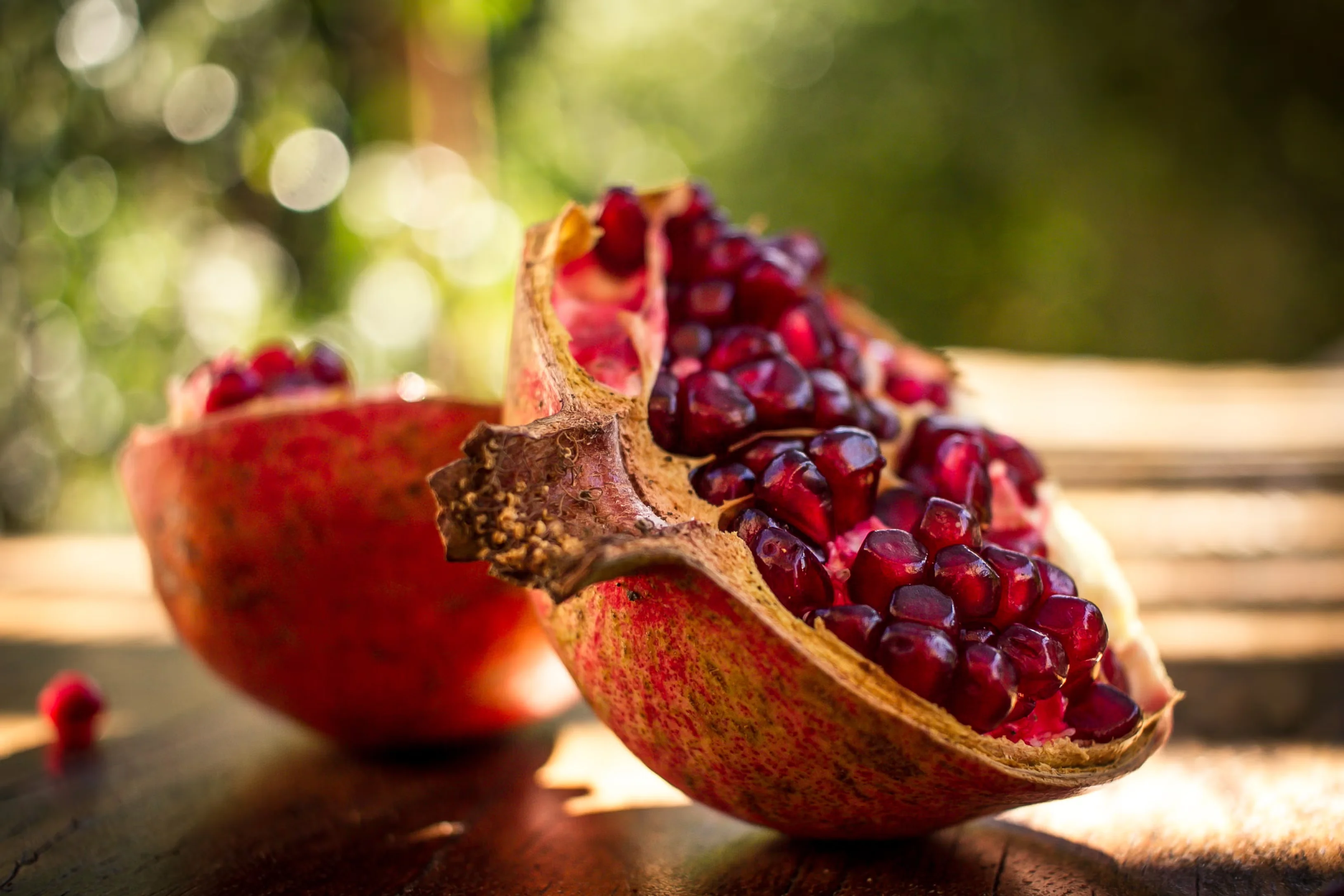
Could Pomegranates Actually Be the Forbidden Fruit?
Wine-red, practically bursting at the seams, and tasting like something between a cocktail and a dessert—pomegranates (Punica…
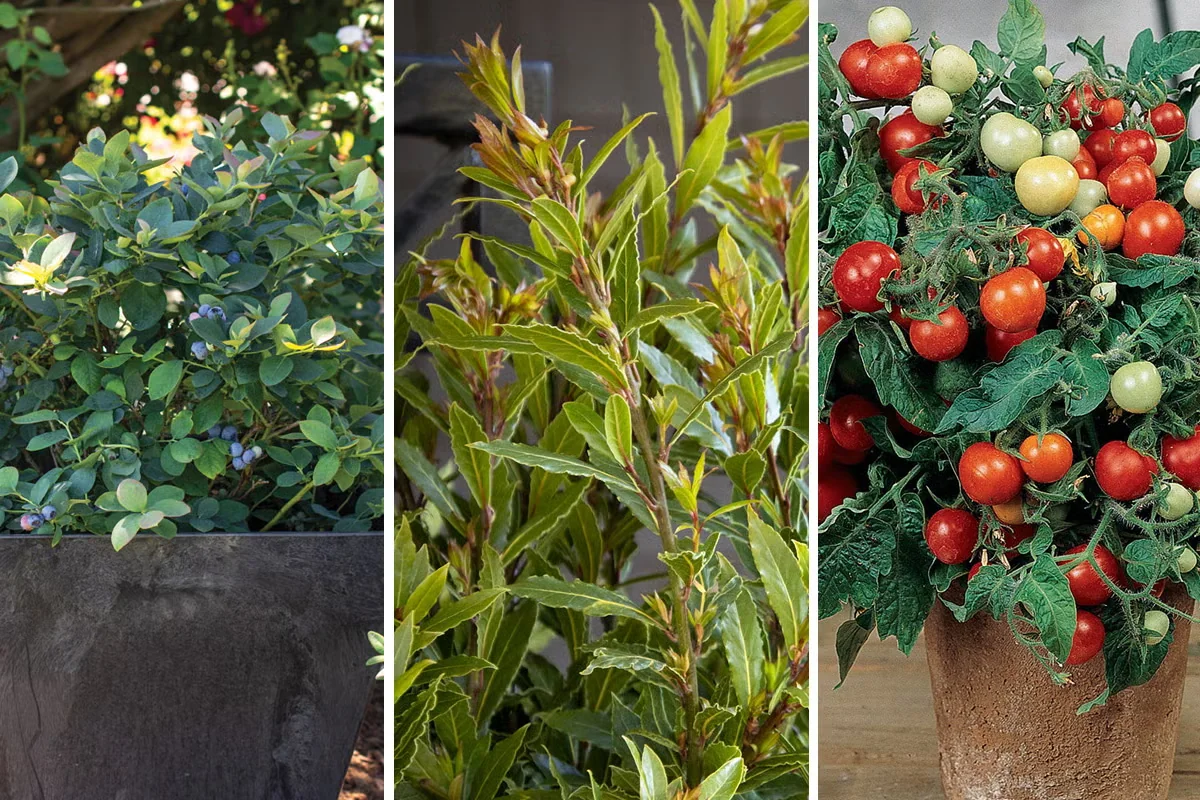
Compact Edible Plants for Small-Space Gardens
Picture this: you're on your back patio, and you reach over to pluck a sun-warmed cherry tomato from a plant barely eight inches…
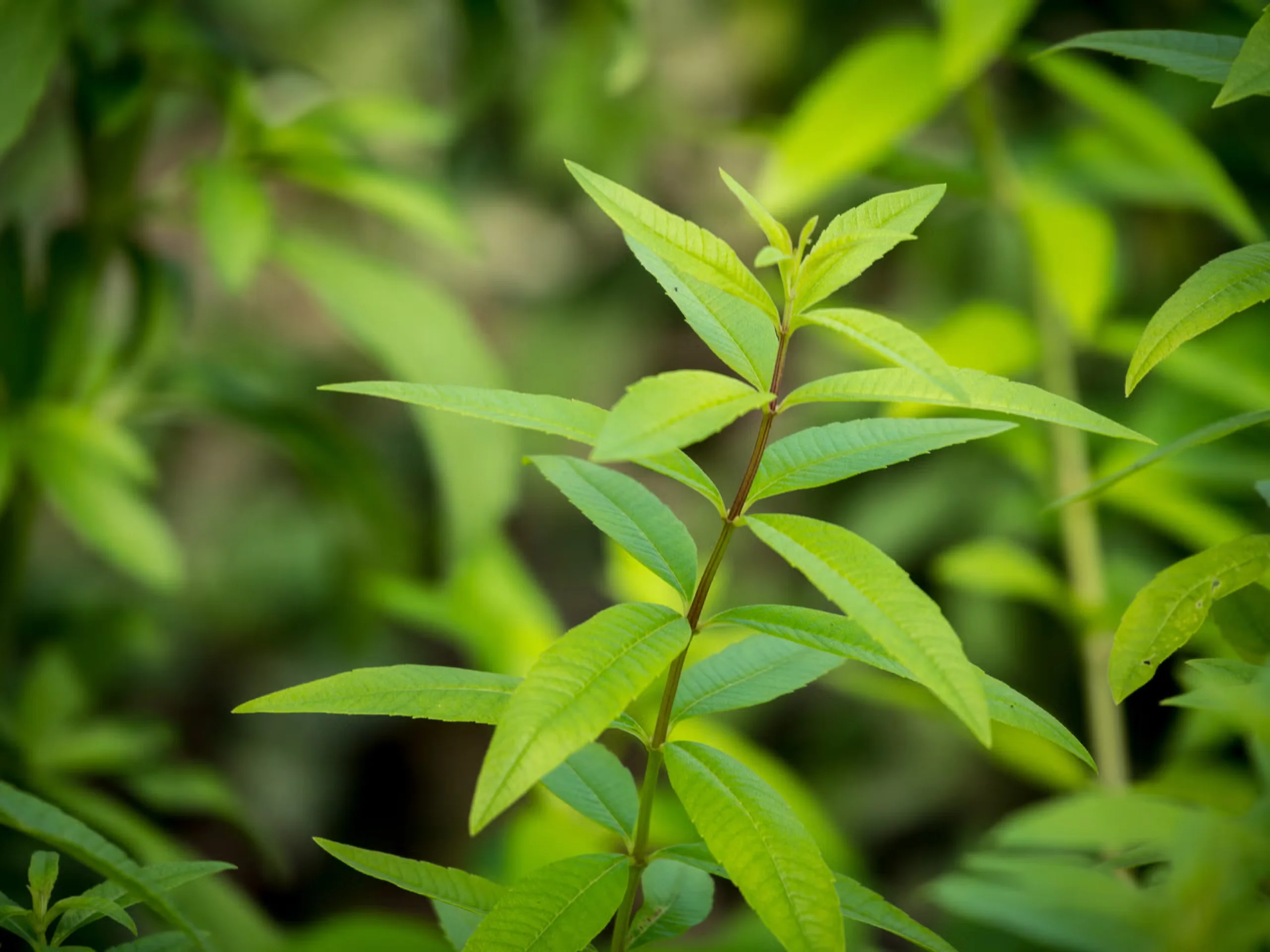
Uncommon Herbs to Grow at Home
Most of us, when we think of culinary herbs, automatically picture the Mediterranean staples: basil, mint, oregano, thyme, sage,…