Wine-red, practically bursting at the seams, and tasting like something between a cocktail and a dessert—pomegranates (Punica granatum) have a way of stirring…
Pomegranates In Paradiseby Brian Barth
Wine-red, practically bursting at the seams, and tasting like something between a cocktail and a dessert—pomegranates (Punica granatum) have a way of stirring the senses. This fruit stars in as many Greek myths as olive branches and grape leaves combined. And given where the Garden of Eden is thought to have been in the Middle East, more than a few scholars argue that pomegranates, not apples, were the real forbidden fruit. From Botticelli to Picasso, those ruby orbs and their fleshy, kernel-like seeds have been inspiring artists for centuries.
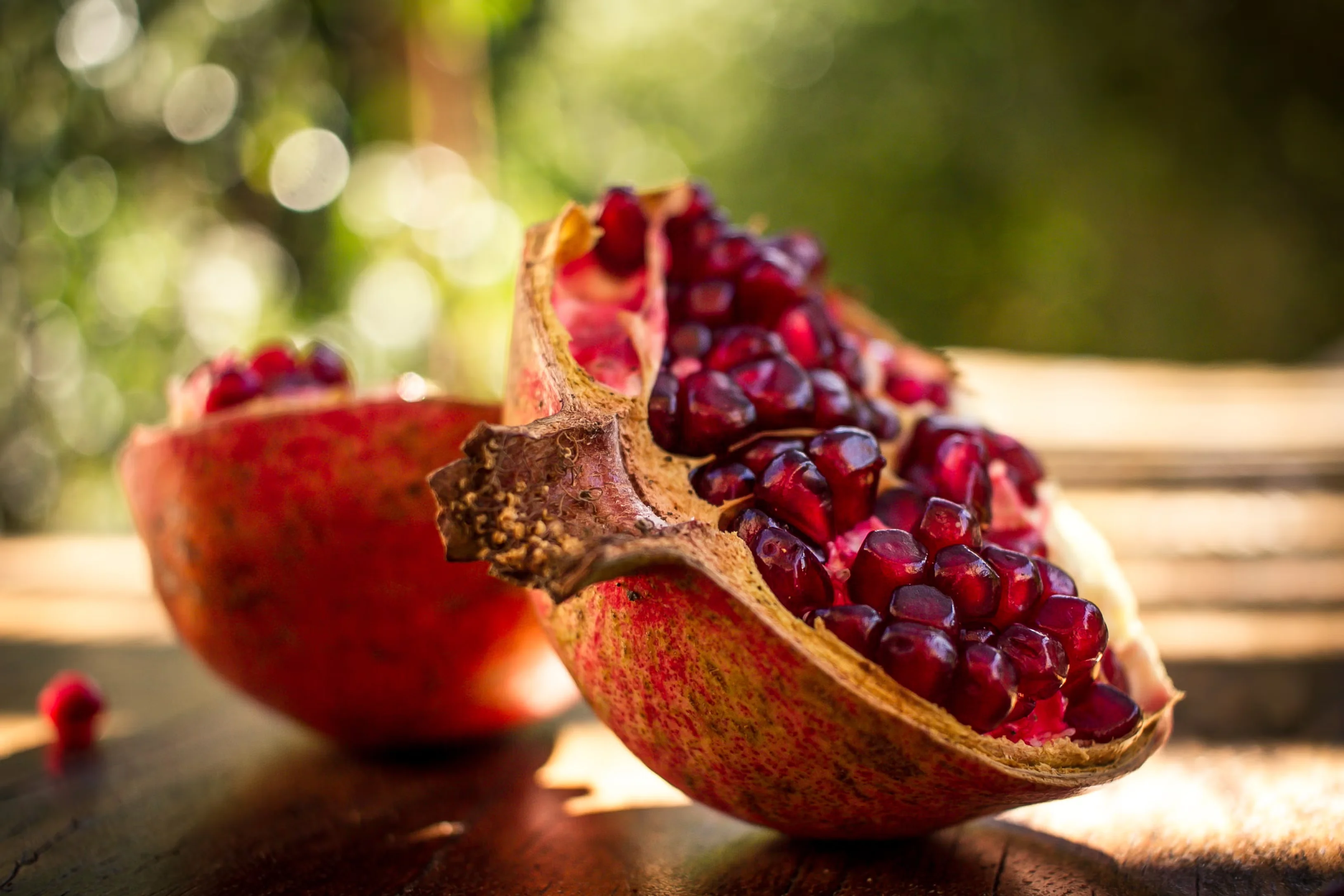
Sacred or profane, the pomegranate's history is a long and winding one. Today it holds an undeniable allure as a garden plant, and not just because of its much-touted health benefits—it's celebrated as a heart tonic and packs an off-the-charts antioxidant punch. The plant itself has plenty to offer the landscape, too.
CULTURE
Native to the Middle East and cultivated around the Mediterranean Basin for thousands of years, pomegranates belong in the same conversation as olives, grapevines, and figs—both aesthetically and functionally. They grow as thorny, suckering shrubs, which doesn't exactly sound like a ringing endorsement. But look closer: the narrow leaves echo an olive tree's elegance, and the natural vase-shaped form is genuinely graceful. Roughly as cold-hardy as fig trees (down to about 12 degrees Fahrenheit), pomegranates can also be grown in containers and wheeled indoors for winter in colder regions, just like figs.
Like many plants from the cradle of civilization, pomegranates prefer lean soil and hot, dry conditions. If you've grown figs or grapes, you already know that coddling them with fertilizer tends to reduce fruit set—and pomegranates follow the same rule. In marginal climates, train them against a south-facing wall so the fruit can ripen properly. Too much rain or overwatering can cause the fruit to split and go moldy as it ripens, so go easy on the hose.
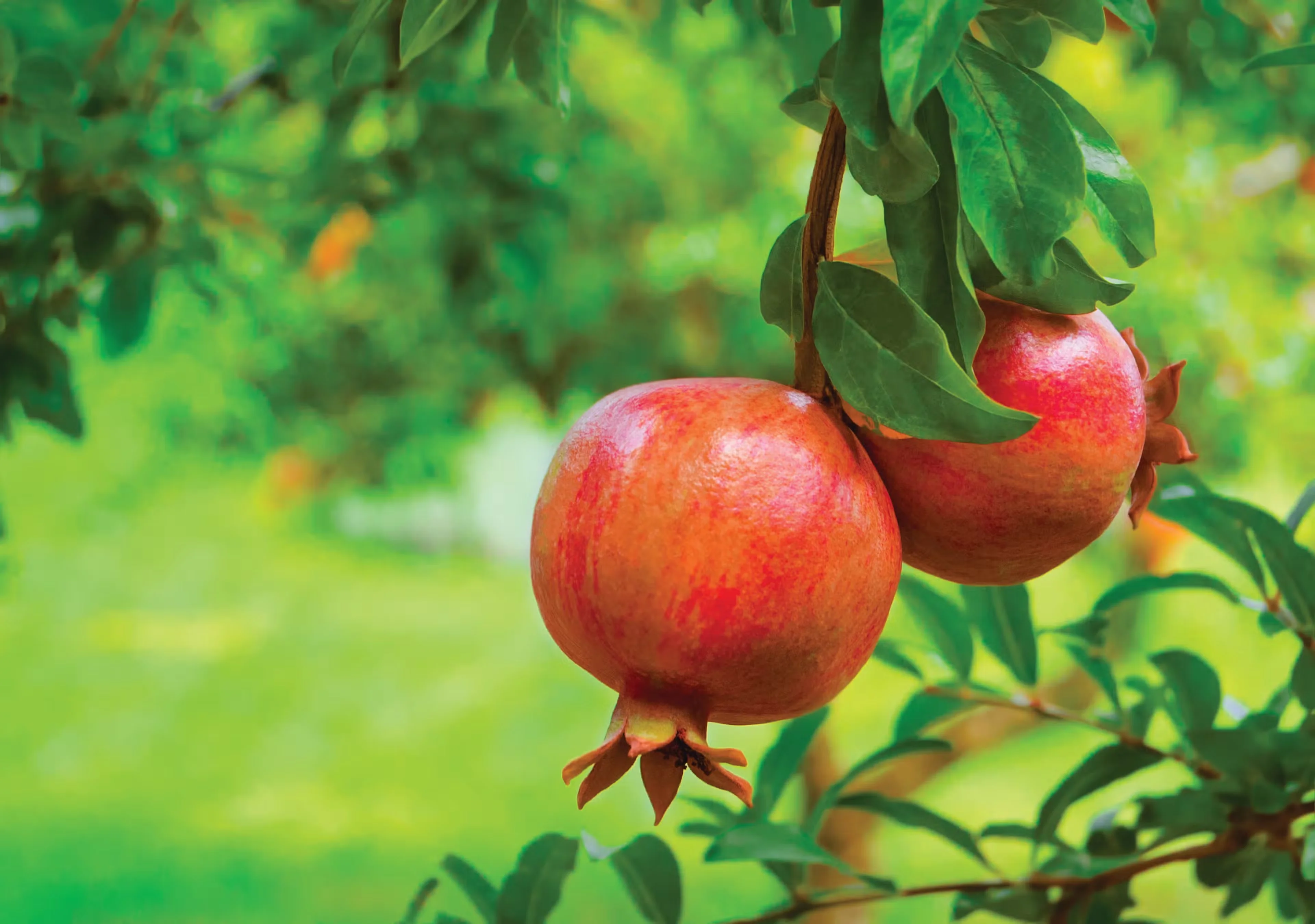
For drainage, air circulation, microclimate control, and overwintering ease, I'd strongly recommend growing pomegranates in large patio planters on casters—unless you're lucky enough to garden in California or Arizona, where conditions are pretty much ideal. Most varieties reach 10 or 12 feet, but after the autumn harvest you can coppice any pomegranate down to five or six feet and wheel it into a garage or sunroom for the winter.
ORNAMENTATION
The pomegranate is often planted for purely practical reasons—few plants make a denser, more impenetrable fruiting hedge. But with flowers that rival a tropical hibiscus, ruby-red fruit, and brilliant yellow fall foliage, it's anything but a drab backdrop. In a Mediterranean-themed patio garden, it pairs beautifully with mottled tan flagstone, salmon bougainvillea, and electric purple-blue salvias like 'Indigo Spires'. For a real showpiece, train a pomegranate into a three-stemmed patio tree and watch the muscular trunks develop gorgeous gnarled character as they age. These aren't short-lived weedy shrubs, either—specimens at Versailles have been documented for over two centuries.
Even if your season isn't long or hot enough to ripen fruit, pomegranates are worth growing just for the ornamental display. There are varieties bred specifically for that purpose: compact types under five feet, selections with fruit meant for decorating rather than eating, and others with double, bicolored flowers. The blooms are so magnetic to hummingbirds that you'd swear the ubiquitous red plastic feeders were modeled after them.
If you do manage to ripen a crop of pomegranates, watch for the fruit to shift from round to having slightly flattish sides. It's perfectly ripe when the exterior changes from a hard, glossy rind to a more pliable, leathery feel and produces a metallic ring when tapped. Each full-size pomegranate yields about five ounces of fresh juice, extractable with any standard citrus juicer. Eating the fruit out of hand is a leisurely process best embraced with a 'slow food' mindset—the flavor is extraordinary and honestly best enjoyed in good company.
Brian Barth is a landscape architect who specializes in urban farms and edible landscapes. This article originally appeared in theSeptember/October 2015 issue ofHorticulturemagazine.Subscribe toHorticultureand don't miss a single story!
More from Fruit
Meyer Lemon Is the Winner for Homegrown Fruit
Over the years I've written about countless vegetables, fruits, and flowers, and I've always enjoyed championing new…
Compact Edible Plants for Small-Space Gardens
Picture this: you're on your back patio, and you reach over to pluck a sun-warmed cherry tomato from a plant barely eight inches…
Uncommon Herbs to Grow at Home
Most of us, when we think of culinary herbs, automatically picture the Mediterranean staples: basil, mint, oregano, thyme, sage,…