Heirloom apple trees give you extraordinary fruit and a great story to go with it—each variety carries its own little piece of history. Look for these unique…
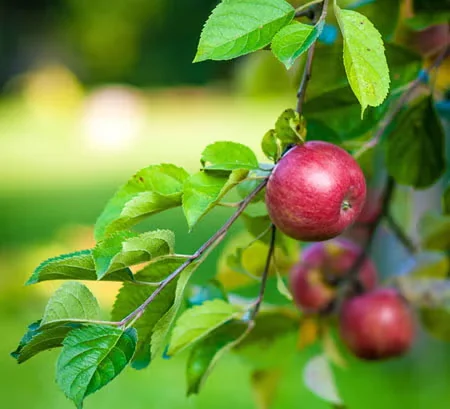
Heirloom apple trees give you extraordinary fruit and a great story to go with it—each variety carries its own little piece of history. Look for these unique heirlooms at specialty mail-order nurseries: Cox's Orange Pippin: A chance seedling found by British horticulturist Robert Cox in 1825, this is widely regarded as the finest dessert apple ever, with remarkable flavors of pear, melon, and mango. You won't spot it in typical American grocery stores, but it's a parent to many modern varieties you will, including 'Gala' and 'Pinova'.
Lady: Back in 17th-century France, royal ladies tucked this petite, intensely aromatic apple into their pockets as a natural air freshener against foul odors. It's also called 'Api', after the Forest of Api in Brittany where it was reportedly found. Some pomologists argue it's actually 'Appia', the oldest known apple, cultivated way back in ancient Rome. Either way, it's a survivor.
Esopus Spitzenburg: Supposedly Thomas Jefferson's favorite apple, this sharply flavored cultivar was one of 18 varieties growing in his famous Monticello orchard. Fittingly for a founding father's top pick, 'Esopus Spitzenburg' makes one of the finest apple pies you'll ever taste. If it was good enough for Jefferson, it's good enough for my kitchen.
Newtown Pippin: Also grown at Monticello, this apple counted George Washington and Benjamin Franklin among its admirers. It was one of the most valuable agricultural exports to Britain in the 19th century—so valuable that Queen Victoria personally removed the import tax on Newtown Pippins to make them more affordable for everyday citizens. Now that's an apple with clout.
Blue Pearmain: This old New England variety stands out for its beautiful blue-tinged skin and its remarkable keeping ability—stored in a root cellar or fridge, it stays fresh for up to six months. It also holds the distinction of being the only "modern" apple that earned Henry David Thoreau's approval. In his 1862 essay Wild Apples, he wrote: "I know a Blue Pearmain tree, growing on the edge of a swamp, almost as good as wild…I draw forth the fruit, all wet and glossy, maybe nibbled out by rabbits and hollowed out by crickets and perhaps with a leaf or two cemented to it…but still with a rich bloom on it, and at least as ripe and well kept, if not better than those in barrels, more crisp and lively than they."
Image credit: Byjackal211,CC0
More from Home
Uncommon Herbs to Grow at Home
Most of us, when we think of culinary herbs, automatically picture the Mediterranean staples: basil, mint, oregano, thyme, sage,…
Growing Beans in the Home Garden
Beans are one of the most rewarding crops you can grow at home—honest, they practically take care of themselves. Here's what I've…
How to Grow Scallions in a Home Garden
Scallions—green onions, spring onions, whatever you call them—are one of those kitchen staples I always want within arm's reach.…