Beans are one of the most rewarding crops you can grow at home—honest, they practically take care of themselves. Here's what I've learned over the years about…
Beans are one of the most rewarding crops you can grow at home—honest, they practically take care of themselves. Here's what I've learned over the years about picking, growing, and harvesting them:
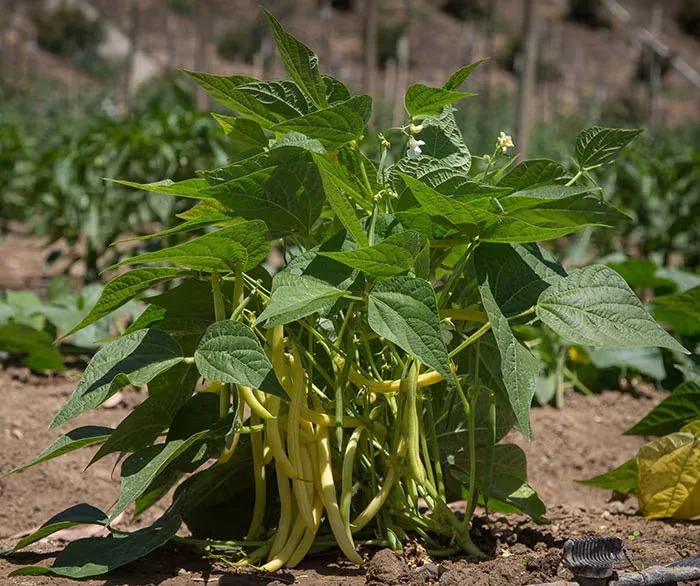
Types of Garden Beans
All bean plants fall into one of two growth habits: bush or pole.
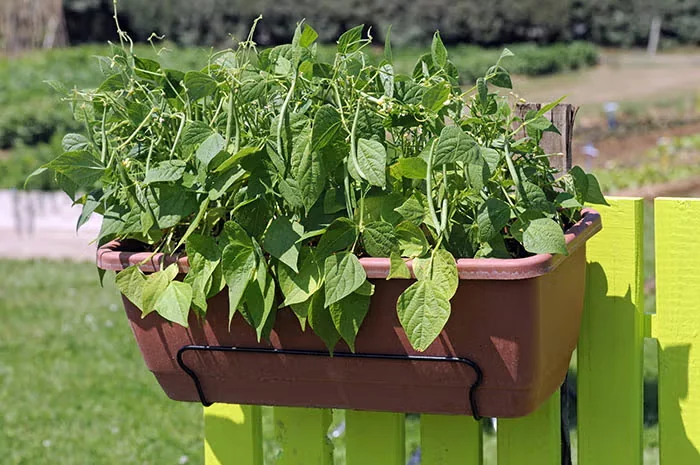
Bush beans stay compact and shrubby, which is why I always tuck them into raised beds, small garden spots, or even big pots on the patio. Sometimes I'll pop a simple cage around them just to keep things tidy. You can usually count on about three weeks of harvest from a planting.
Pole beans—folks also call them runner beans—are vining plants that need something solid to climb, whether that's a trellis, netting, or a bamboo teepee. The payoff? A harvest that keeps going for six to eight weeks, which is why I always make room for at least a few pole varieties.
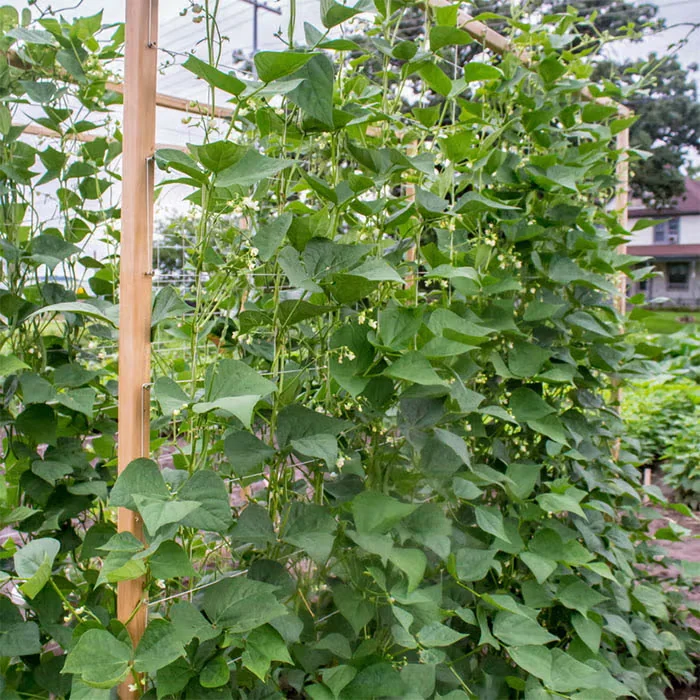
Within each habit you'll find a few different types. Both bush and pole beans come in filet beans (those elegant French haricots verts with their super-slim pods), green or snap beans with thicker pods, and dried or shelling beans grown for the plump seeds inside. I grow a little of each—snap beans for everyday cooking, filets for dinner parties, and shell beans for winter soups.
Snap beans come in a wonderful palette—green, yellow, and even purple. The yellow ones are what most folks call wax beans. Here's a little kitchen tip: green and yellow beans hold their color when cooked, but those gorgeous purple pods? They turn green as soon as you blanch them. Still delicious, just a bit of a shape-shifter.
Growing Beans at Home
Wait until soil temps hit 70˚F before planting beans. I always direct sow—beans really don't like being moved once they've started growing, so skip the transplanting altogether.
Give them full sun and moderately fertile, well-draining soil. Beans aren't fussy, but soggy feet will do them in.
Keep the soil evenly moist all season long. Inconsistent watering leads to tough, stringy pods—nobody wants that.
Mulch around your bean plants to hold moisture and crowd out weeds. This matters more than you'd think—beans have surprisingly shallow roots, and every time you pull a nearby weed you risk nicking the root system. A good layer of mulch means you can skip the weeding altogether.
For bush beans, I sow a fresh batch every two to three weeks to stretch out the harvest. Pole beans don't need this treatment—they produce over a long stretch naturally, so one planting usually does the trick.
Pick snap beans just before the seeds inside start to plump up. Here's my test: bend the pod and if it snaps clean with a satisfying crack, it's ready. If it just bends without breaking, give it a few more days.
Store unwashed beans in the fridge and they'll keep for about a week. I like to put them in a loosely closed plastic bag—they stay crisp that way.
The information and images in this post are shared by the National Garden Bureau. For more about garden beans, see the NGB article"Year of the Garden Bean."
More from Home
Uncommon Herbs to Grow at Home
Most of us, when we think of culinary herbs, automatically picture the Mediterranean staples: basil, mint, oregano, thyme, sage,…
How to Grow Scallions in a Home Garden
Scallions—green onions, spring onions, whatever you call them—are one of those kitchen staples I always want within arm's reach.…
Heirloom Apple Trees to Plant at Home
Heirloom apple trees give you extraordinary fruit and a great story to go with it—each variety carries its own little piece of…