There's nothing quite like digging up your own homegrown potatoes for a satisfying, tasty harvest. Potatoes prefer cool climates (USDA Zones 2–7), and you can…
There's nothing quite like digging up your own homegrown potatoes for a satisfying, tasty harvest. Potatoes prefer cool climates (USDA Zones 2–7), and you can get them in the ground shortly after the last spring frost. (In warmer areas, they can be grown as a winter crop with planting taking place in autumn.)
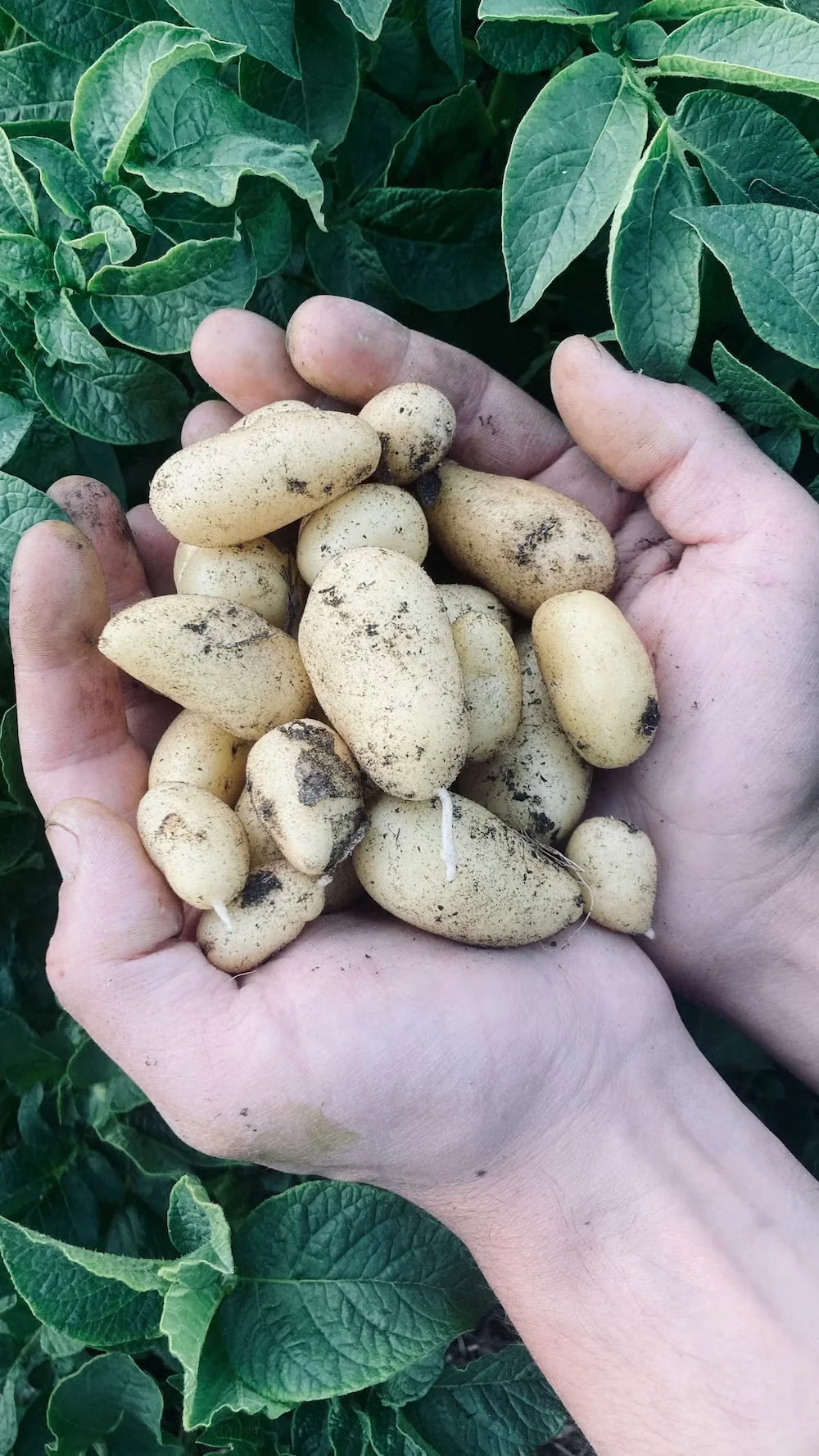
Potatoes do best in deep, well-drained, easily crumbled, fertile soil where they get at least six hours of direct sun each day. It's always smart to get a soil test to see what you're working with. If needed, organic fertilizer and/or compost can be added to improve soil structure and fertility.
While you can grow potatoes from home-saved planting stock, it's highly recommended to use certified seed potatoes every year instead. This helps keep diseases at bay. It's also a wonderful way to try different varieties, including some wonderful heirloom potatoes. A few favorite heirloom varieties include 'Russian Banana', a fingerling; 'Orchestra', a white potato; and 'Norkotah', a russet.
Grow potatoes in the ground
In smaller gardens, you can grow potatoes by making a trench with a hand-held hoe or by digging individual holes with a spade or fork. Space your seed potatoes about 12 inches apart. Toss in some organic fertilizer before backfilling the trench or hole, following the package directions. Water the newly planted potatoes well, but after that be careful not to overwater. Soggy soil can lead to reduced yield and poor quality. Keep the soil evenly moist—not wet, but don't let it dry out completely.
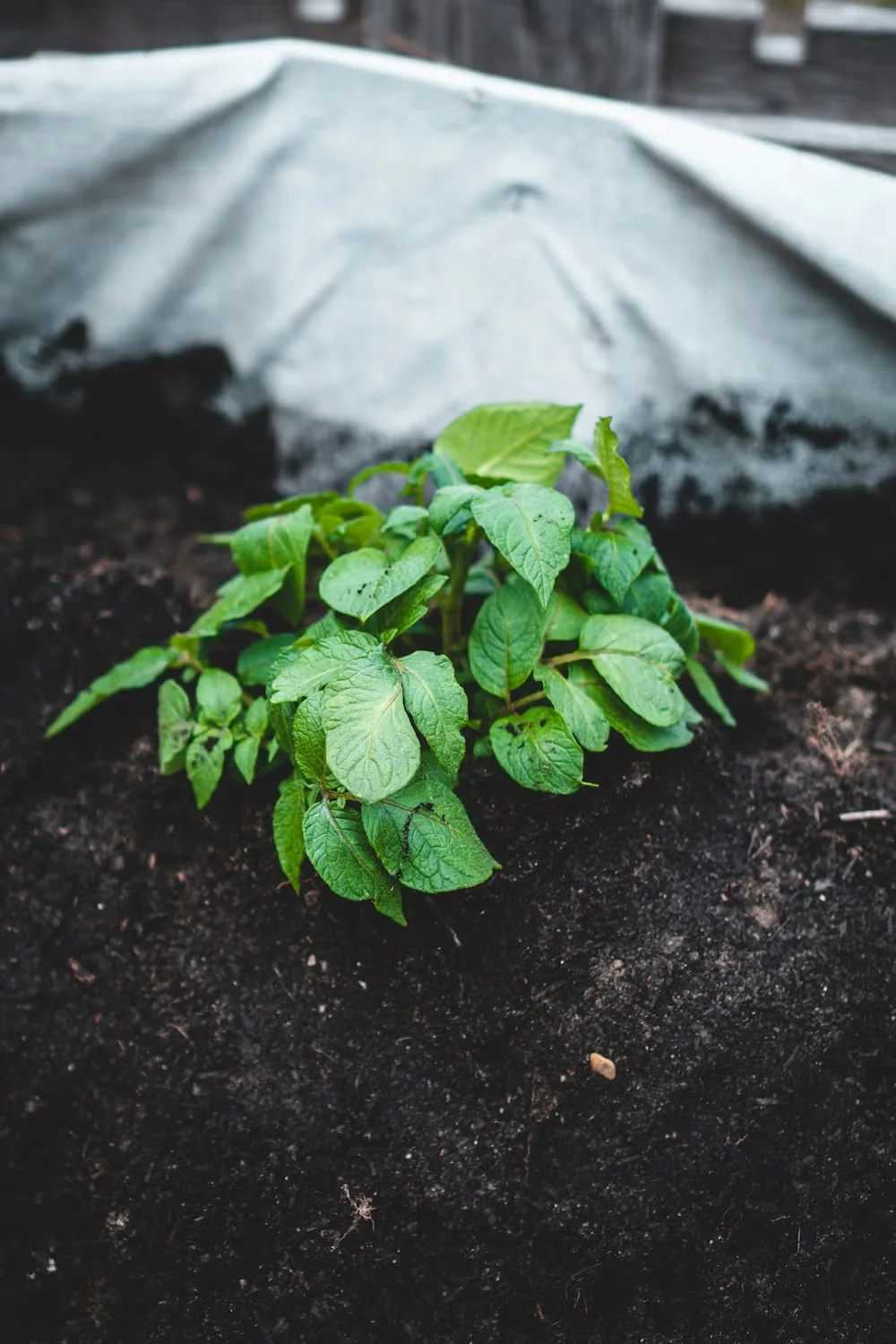
Grow potatoes in containers
Containers for growing potatoes should hold 10 gallons or more, have a depth of 15 to 18 inches, and provide good drainage. Store-bought containers and repurposed buckets work equally well. (If using buckets, make sure to drill drainage holes, and avoid any buckets that have previously held chemicals.) You can also find specially designed reusable potato-grow bags.
For container-grown potatoes, a quality potting soil is essential—whether store-bought or mixed at home. A blend of multipurpose compost and coarse sand works nicely. A mulch of leaves, straw and grass clippings can be added to the top of the mix as the plants grow taller. Seaweed works wonders for those lucky enough to live near the ocean.
Harvest and store potatoes
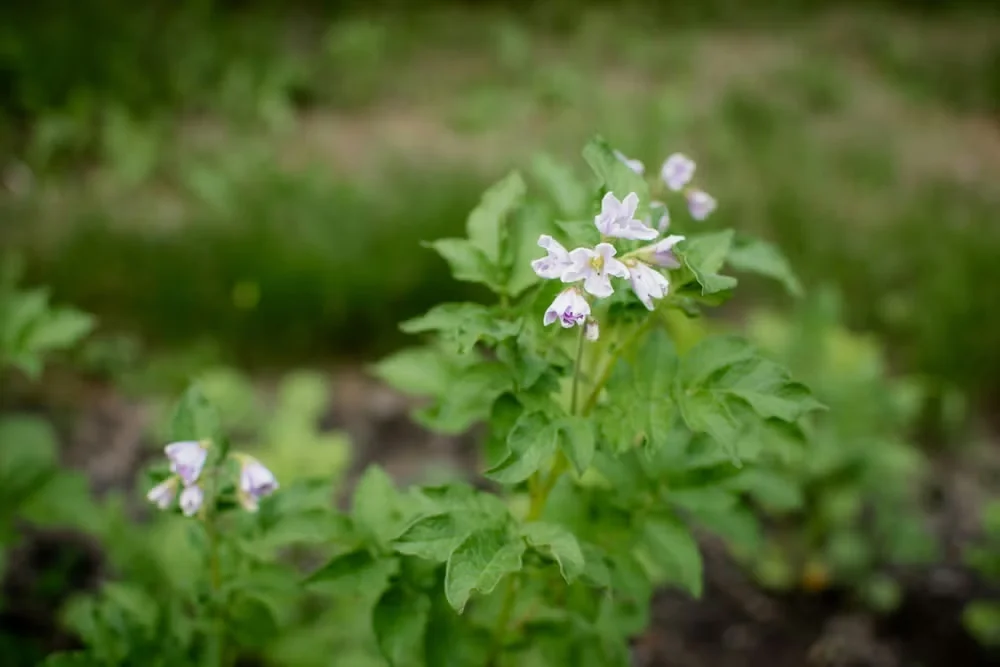
Early potatoes can be harvested while the plants are still blooming. Mid- and late-season potatoes are dug up when the foliage starts to die back. (When you buy your seed potatoes, the harvest season should be noted on the packaging.)
When harvesting potatoes, use a garden fork and be gentle—bruises and cuts can turn into storage rot. Exposure to light can cause a bitter-tasting buildup of solanine, which is toxic. Dry your potatoes in a shaded spot for no more than a few hours before moving them into storage.
Potatoes you'll use within a few days can be stored in any cool, dark spot. For long-term storage through the winter, potatoes need a dark space with good ventilation and a temperature around 39˚F. Most basements are too warm; a refrigerator may be your best bet.
More from Home
Uncommon Herbs to Grow at Home
Most of us, when we think of culinary herbs, automatically picture the Mediterranean staples: basil, mint, oregano, thyme, sage,…
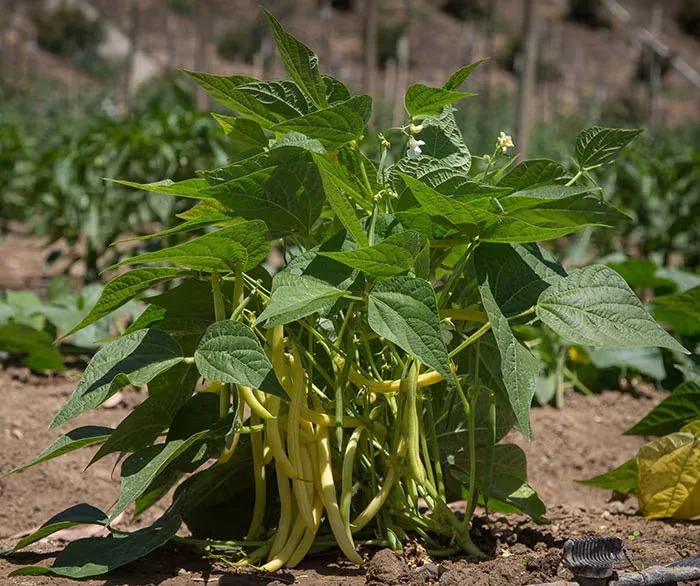
Growing Beans in the Home Garden
Beans are one of the most rewarding crops you can grow at home—honest, they practically take care of themselves. Here's what I've…
How to Grow Scallions in a Home Garden
Scallions—green onions, spring onions, whatever you call them—are one of those kitchen staples I always want within arm's reach.…