Timing is everything with basil, and it depends entirely on where you live. Up north, wait until frost is just a memory before setting out plants, or sow seeds…
Timing is everything with basil, and it depends entirely on where you live. Up north, wait until frost is just a memory before setting out plants, or sow seeds outside around the same time you'd plant corn. Down South, you get not one but two basil seasons—lucky you!
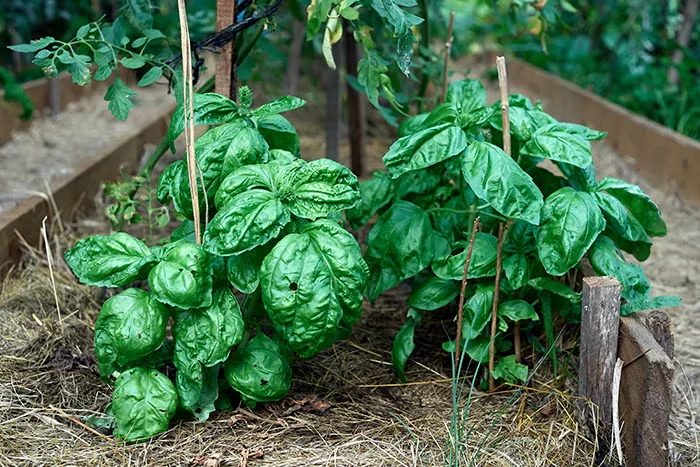
Rebecca Jordi, who directs the Nassau County University of Florida Extension, puts it plainly: “Our sun is just too brutal, so we can only grow basil in late spring or early fall.” Southern gardeners can typically set plants out by late February or early March—sometimes throwing on a cover if cold threatens. “Once July rolls around, we just let it bolt, then replant at the end of August,” she says.
Basil loves rich, well-drained soil and plenty of sunshine, but that punishing afternoon heat can stress the plants no matter where you garden. Jordi finds that her Florida basil does best with some dappled shade during the peak of the day.
Basil isn't a heavy feeder—most herbs aren't. In the ground, a dose or two of liquid fertilizer through the season does the trick. In containers, plan on feeding every four to six weeks to keep those leaves coming.
When it's time to harvest, just snip the stems down to the next set of leaves—or the next two. The more you pinch, the bushier the plant gets. The real trick with basil is staying on top of it so it doesn't flower, but keep pinching diligently and you'll have fresh leaves for months.
And if your plants do bolt and flower before you catch them, don't toss those blooms—use them! “The flowers make a lovely garnish,” says White. “They're also wonderful paired with fresh fruit.”
Whatever you do, don't stick fresh-cut basil in the fridge—it'll turn black on you almost immediately. Instead, give the bunch a gentle rinse in cool water, stand it in a jar of water on the counter, and use it as you need it. Treat it like a little bouquet.
Notes on Basil Downy Mildew
Ever since downy mildew (Peronospora belbahrii) showed up in the U.S. back in 2007, it's been a headache for both commercial growers and home gardeners in just about every state.
The first sign is yellowing leaves that eventually brown and die—easy to mistake for a nutrient problem at first. Flip those leaves over, though, and you'll spot purple-gray spores that are the unmistakable signature of downy mildew. In drier climates, those spores can be harder to spot.
“Seal the leaves in a plastic bag and keep an eye on it,” advises Margaret Tuttle McGrath, an associate professor at Cornell's Long Island Horticultural Research & Extension Center. If downy mildew is lurking, those spores will show themselves within a day or two.
Here's the hard truth: there's no cure once it hits. “The affected leaves are done—no saving them,” says McGrath. “For home gardeners, just pick them off.” You can't eat the diseased foliage, but the rest of the leaves on the plant are still perfectly fine.
Prevention is really your only weapon. When you plant basil, give each plant plenty of breathing room—good air circulation makes it harder for the disease to take hold.
“We get dew overnight, so we'll get into the 90 percent humidity range. That's just perfect [to promote downy mildew growth]. As a home gardener, I grow the plants in pots and bring them in at night,” says McGrath.
Want to stay ahead of the game? Look into basil varieties bred for resistance to both downy mildew and fusarium wilt, another disease that's been giving basil growers trouble.
More from Basil
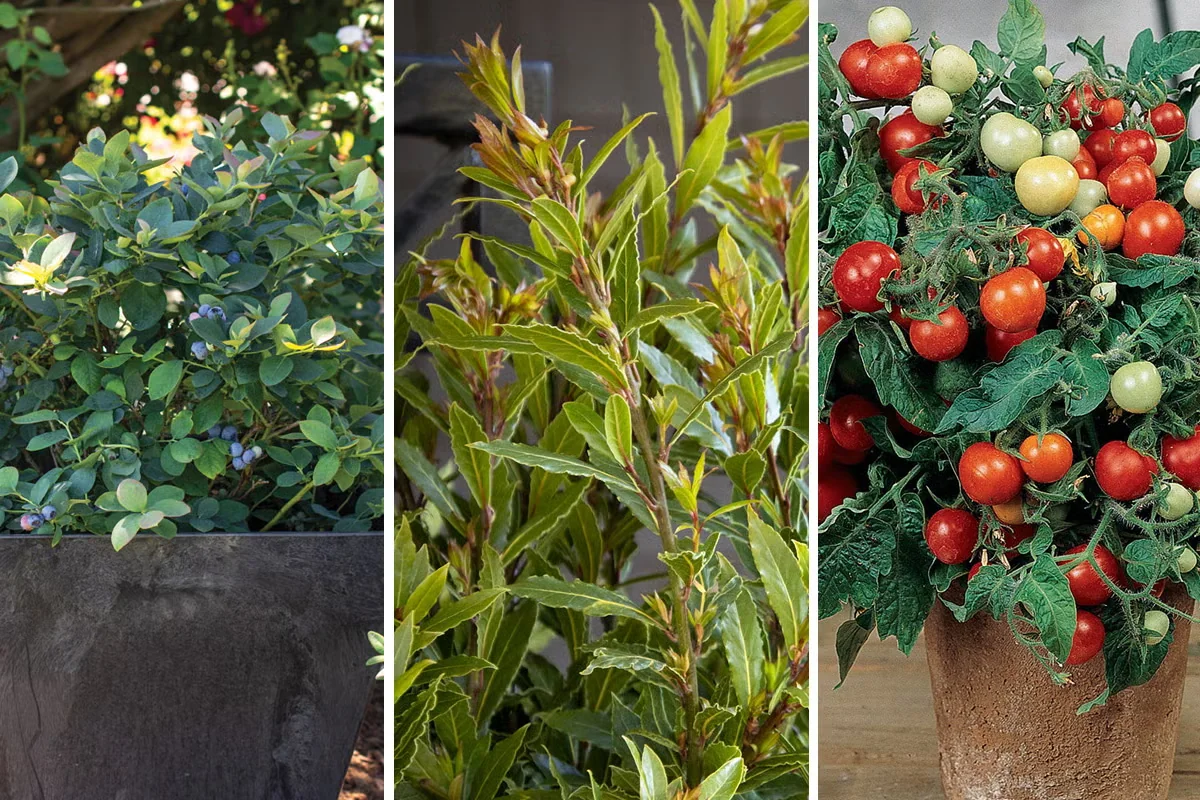
Compact Edible Plants for Small-Space Gardens
Picture this: you're on your back patio, and you reach over to pluck a sun-warmed cherry tomato from a plant barely eight inches…
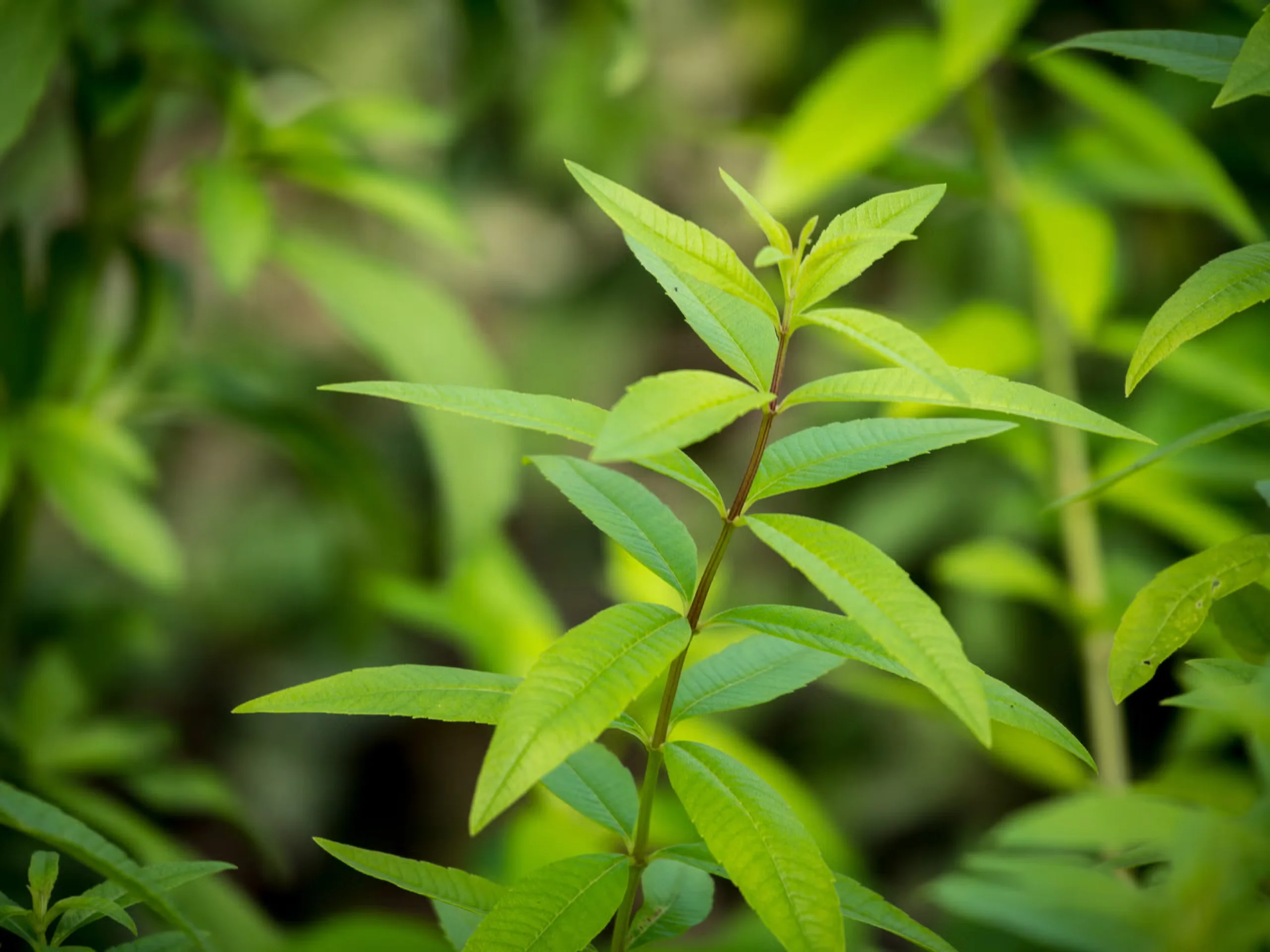
Uncommon Herbs to Grow at Home
Most of us, when we think of culinary herbs, automatically picture the Mediterranean staples: basil, mint, oregano, thyme, sage,…
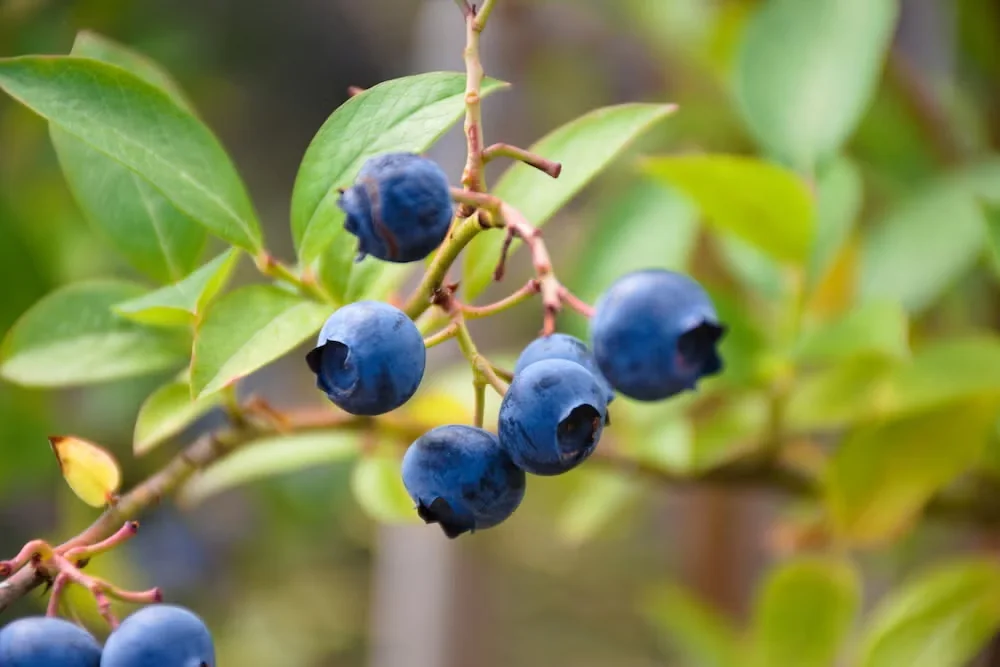
Grow Blueberries and Their Relatives to Benefit the Garden and Your Health
Isn't it something how the simple things we love as kids end up opening into whole worlds of discovery as we get older?…