Staking tomatoes is one of those things that sounds optional but truly transforms the health and productivity of your plants. I learned this the hard way my…
Staking tomatoes is one of those things that sounds optional but truly transforms the health and productivity of your plants. I learned this the hard way my first year growing tomatoes—I just let them sprawl on the ground. Zero effort, sure, but plenty of fruit rotted before I could pick it, and blight moved in fast. Staking eventually came to the rescue!
The Journey to Staking Tomatoes
By year two, I bought wire tomato cages. Cheap, easy to find, reasonably durable—what's not to like? Plenty, as it turned out. They just don't do a very good job, especially with indeterminate tomatoes that can climb to six feet. Most of my varieties that year were rampant vining types, and by midsummer they'd shot right past the top of the cages and flopped back down, trailing along the ground and opening themselves up to soil-borne foliar diseases.
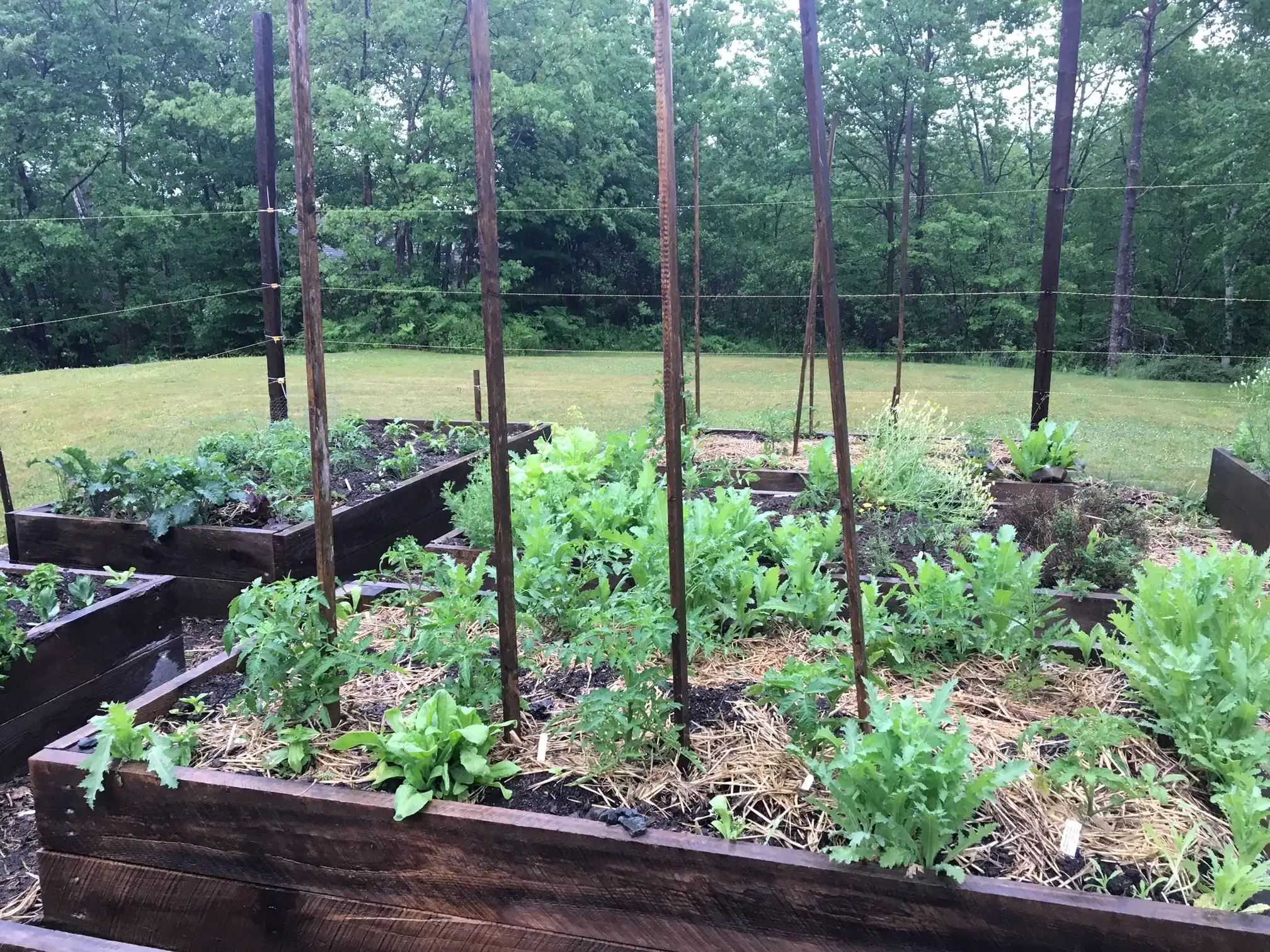
I eventually switched to staking my tomatoes with eight-foot lengths of one-by-two-inch untreated furring strips. Staking lets me squeeze more plants into my beds and—crucially—keeps all that foliage up off the soil.
How to Stake Tomatoes
Right after planting, drive the stakes about a foot into the ground, four to six inches from the seedling. If you wait until the plants are already growing, you run the risk of stabbing through the root system.
As the seedlings stretch up, tie them to the stake with strips of soft cloth, old nylon stockings, or twine. Loop the tie in a figure-8 around and between the stem and the support—it holds securely without girdling the plant.
Every so often, prune out the suckers that form in the crotches between the main stem and side branches. Pruning channels the plant's energy into making fruit instead of extra leafy growth. I make a point of pinching out suckers with my fingers several times over the summer—it's quick and satisfying.
Niki Jabbour grows edible plants all year near Halifax, Nova Scotia. She's a frequent contributor toHorticultureand the author ofVeggie Garden Remixand other titles. Visit her online atSavvy Gardening. This article was excerpted from Edibles Year-Round inHorticulture2014.
For more information on growing tomatoes like a pro check out:
Expert Tips for Growing Fresh Tomatoes
Tomatoes Perfect for Canning
More from Tomatoes
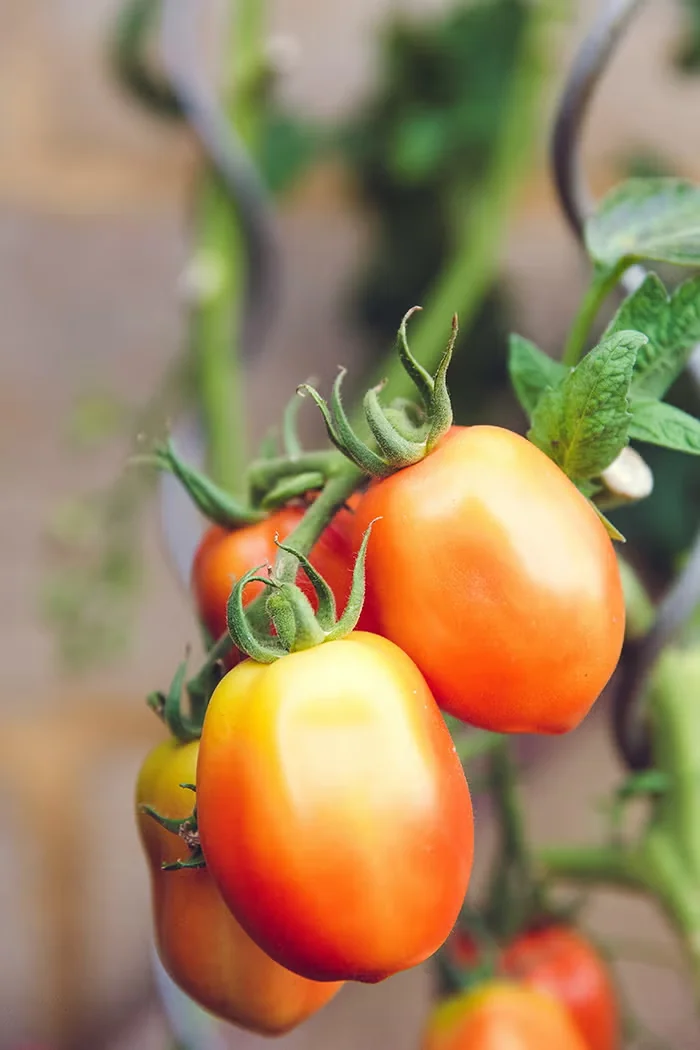
The Three Keys to Growing Great Tomatoes
If you want a bumper crop of juicy, flavorful tomatoes, it really comes down to three things: watering, fertilizing, and keeping…
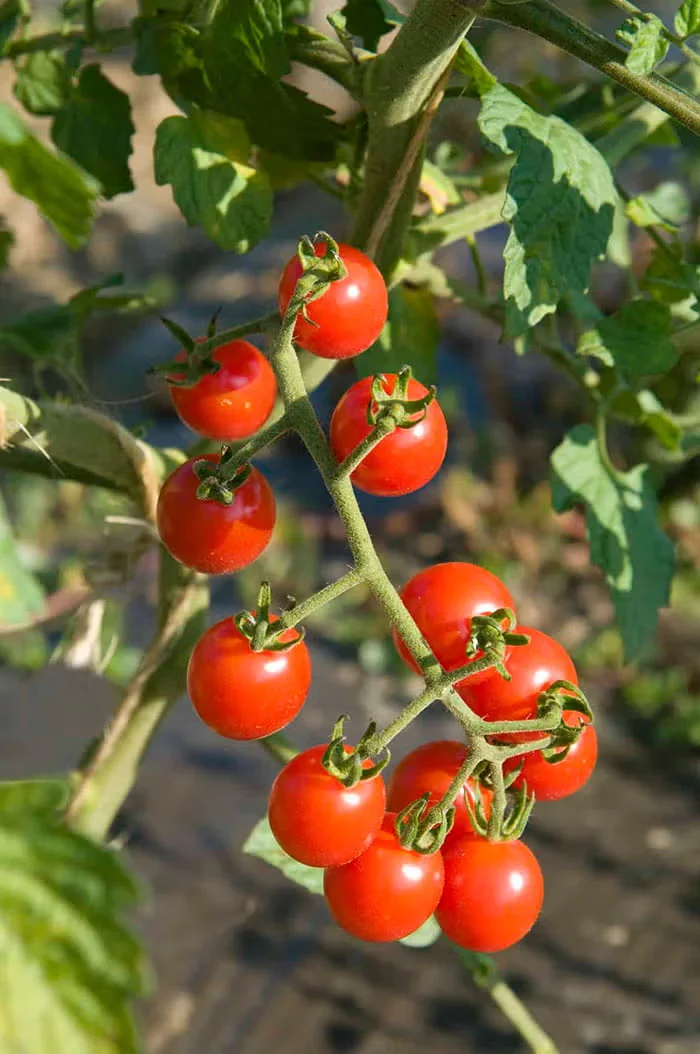
Niki Jabbour’s Top Picks Among Cherry Tomatoes
As an Amazon affiliate, we earn from qualifying purchases made through affiliate links.
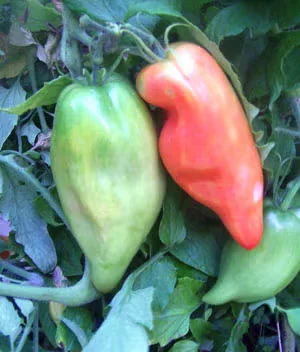
Jersey Devil Tomatoes Are Perfect for Canning
These gorgeous fruits from our garden last season are 'Jersey Devil' tomatoes, and I've got to say, they've earned a permanent…