Worried you missed your window because you didn't start seeds indoors this year? Don't be. Plenty of vegetables are perfectly content to be sown right outdoors…
Worried you missed your window because you didn't start seeds indoors this year? Don't be. Plenty of vegetables are perfectly content to be sown right outdoors into garden soil or large containers once spring arrives. Here are some of my favorite candidates for direct sowing:
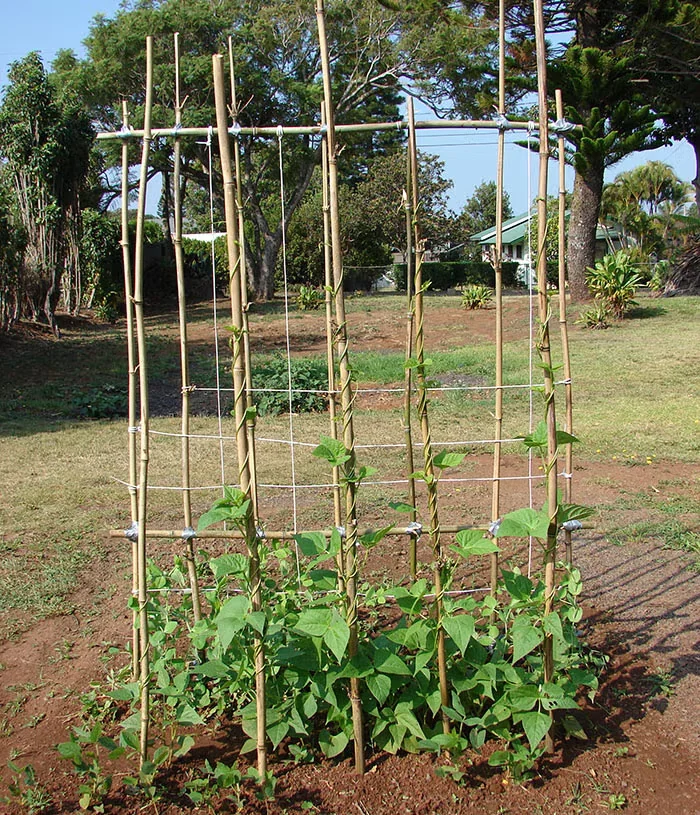
Bush and pole bean seeds go in the ground once the soil has warmed up and dried out. Both are a breeze to plant and sprout in no time, though bush beans will reach harvest faster overall. One thing I've learned the hard way: beans absolutely hate cold, damp soil and will just rot if you plant them too early. Always wait until after the last frost.
Sow beet seeds once the soil warms past 50 degrees. They can be slow to sprout—soaking the seeds in water overnight before planting really speeds things along. Once they're up, beets grow fast. They love cool weather, which is why I also sow a fall crop in late summer for a second harvest. Those roasted fall beets are something special.
Cucumbers can be started either indoors or out. They're heat lovers that really take off once warm weather settles in. If you're sowing directly in the garden, hold off until after the last frost—cucumber seedlings have zero tolerance for cold.
Sow lettuce seeds when soil temperatures hold steady between 40 and 50°F. Lettuce thrives in the cool days of spring—hot weather just makes it bolt and turn bitter. You can also sow in late summer for a lovely fall crop, which honestly might be even sweeter.
Sow radish seeds once soil temps stay above 45 degrees. They mature fast and do you a favor by loosening the soil as they grow. Since spring radishes come along so quickly, I like to drop a new row every couple of weeks right up until the heat sets in. Crisp, peppery radishes for weeks!
These aren't the only vegetables you can direct sow, of course—they're just the ones I keep coming back to. If there's something specific you'd like to try from seed, check with your favorite seed company or your local cooperative extension for the right planting methods and timing for your area.
Image credit:Forest and Kim Starr/CC BY 2.0
More from Spring
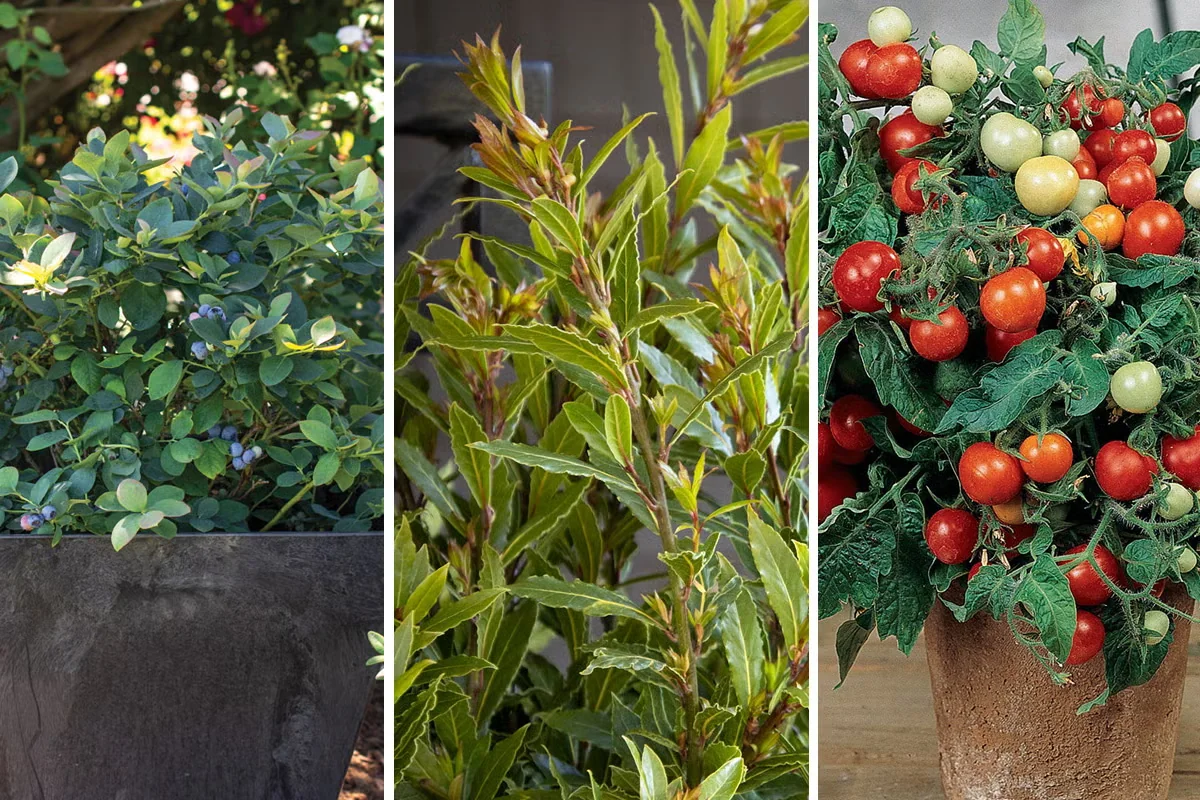
Compact Edible Plants for Small-Space Gardens
Picture this: you're on your back patio, and you reach over to pluck a sun-warmed cherry tomato from a plant barely eight inches…
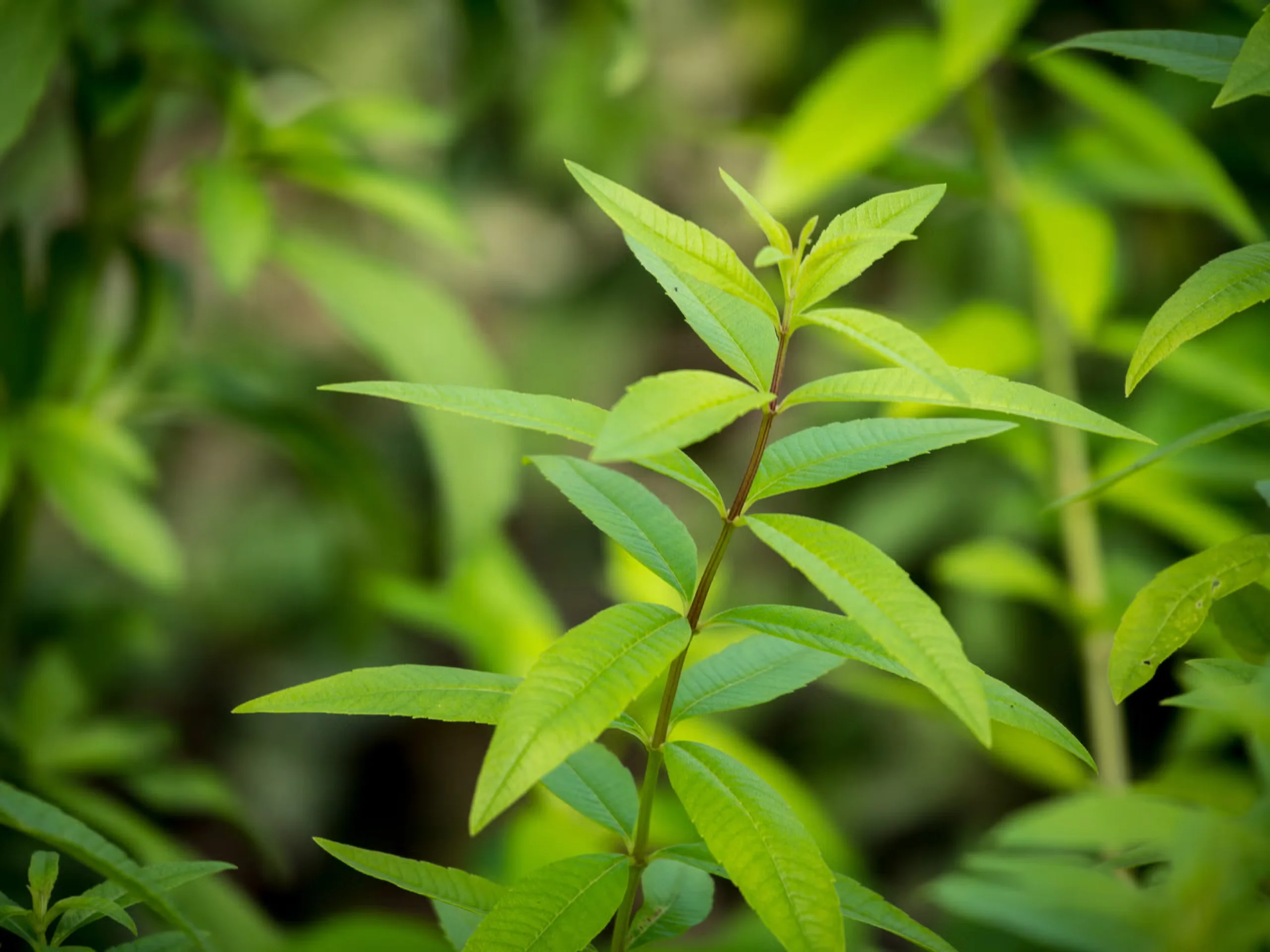
Uncommon Herbs to Grow at Home
Most of us, when we think of culinary herbs, automatically picture the Mediterranean staples: basil, mint, oregano, thyme, sage,…
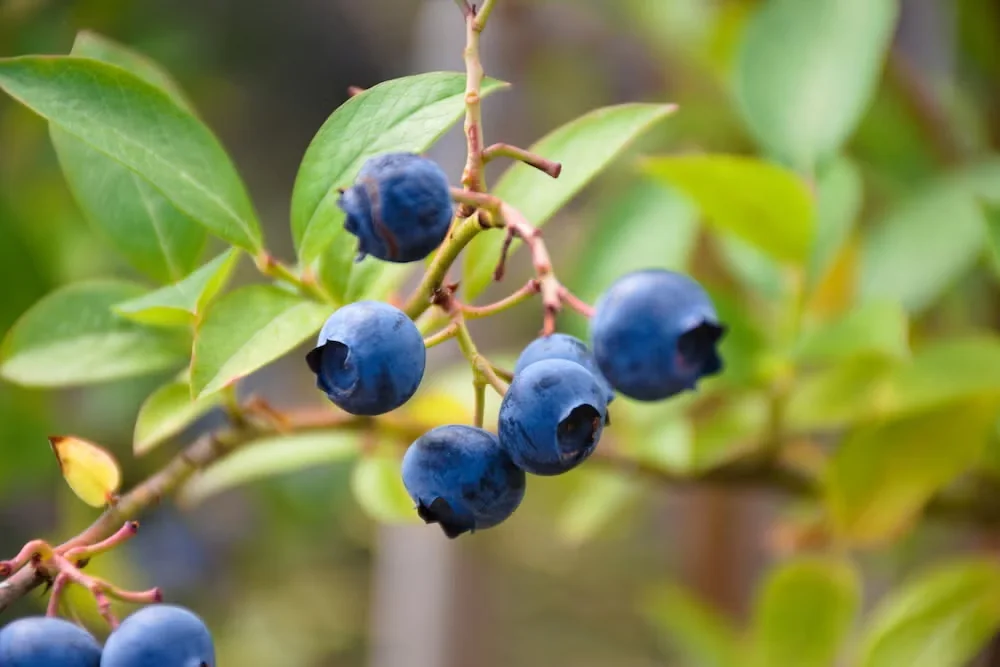
Grow Blueberries and Their Relatives to Benefit the Garden and Your Health
Isn't it something how the simple things we love as kids end up opening into whole worlds of discovery as we get older?…