As the years go by, I find myself drawn more and more to plants that pull double duty. If something's both edible and beautiful, it earns a spot in my garden,…
As the years go by, I find myself drawn more and more to plants that pull double duty. If something's both edible and beautiful, it earns a spot in my garden, no questions asked. More often than not, that plant turns out to be a culinary herb that also holds its own as a hardy perennial or shrub here in my USDA Zone 7 Virginia garden.
Herbs for Sunny Flower Borders
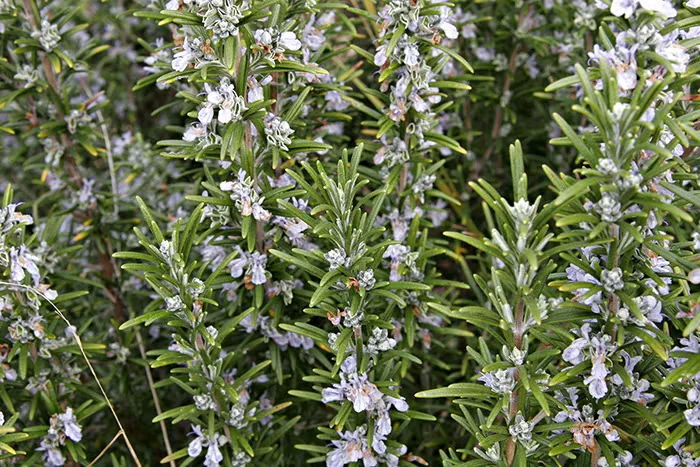
Rosemary (Rosmarinus officinalis) has never given me trouble, even though it's only marginally hardy—rated to Zone 7 or 8. My ‘Arp’ rosemary sits about three feet tall, basking in full sun and well-drained soil, and rewards me with edible lavender blossoms through the winter months. ‘Arp’ is celebrated for cold hardiness, but if it's flavor you're after, ‘Shady Acres’ or ‘Tuscan Blue’ can't be beat. Most folks think of rosemary as a perennial, but give it time and it becomes a substantial woody shrub. The nice thing? You can snip leaves or whole branches any day of the year. And deer and drought barely faze it.
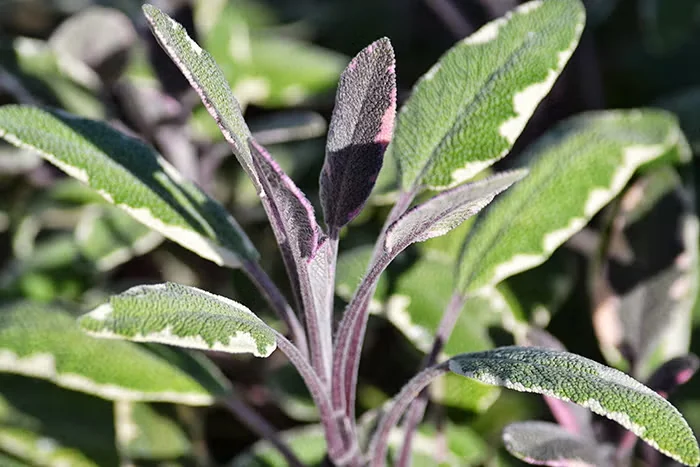
Sage is another full-sun herb that acts more like a small woody shrub over time. It doesn't reach the heights of rosemary, but it's tougher—hardy to Zone 6—and every bit as resistant to drought and deer. For cooking, nothing beats the flavor of straight Salvia officinalis with its plain green leaves. But for garden color, I tuck in the showy cultivars alongside it: ‘Tricolor’ splashed with purple, green, and cream; ‘Aurea’ in cheerful yellow and green; and ‘Purpurascens’ with foliage that starts purple and fades to deep green. The cultivars are edible, just milder—I use their leaves mainly for garnish and save the species for real cooking.
Whenever I need a reliable groundcover, thyme (Thymus) is my first pick—generally hardy to Zone 6. The local nursery might only carry the standard English or French thyme (T. vulgaris), but if you hunt around you'll find foliage in every shade of green, plus silver and cream variegation. What really hooks me, though, is the range of scents and flavors across the different species and cultivars. I've got nutmeg, lime, lemon, and coconut thymes in my garden, and that's just scratching the surface. Drought and deer leave it alone, and you can snip foliage anytime for cooking, baking, making syrups, or dressing up a bowl of soup.
Lately I've spotted more and more neighbors tucking lavender into their front gardens. With lavender, it's the blossoms you want for the kitchen, not the leaves. For the best flavor, go with Lavendula angustifolia and its cultivars—I've got several out back in full sun, planted in soil I've lightened up for drainage, which lavender absolutely demands. My neighbors are probably growing lavandin (L. x intermedia), which lasts longer and is easier to keep happy. Its flowers are edible too, just not as sweet—they carry more of that eucalyptus and camphor note. Still perfectly fine for garnishing or craft projects.
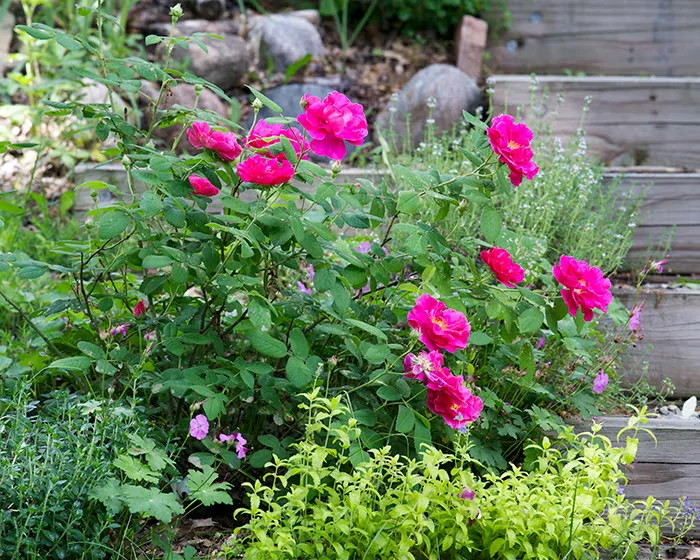
Roses aren't herbs, technically, but I can't leave them out when we're talking edible landscaping. Both petals and hips are fair game in the kitchen—though I'll be honest, not all of them taste great. For real flavor, seek out the apothecary, or French, rose (Rosa gallica; Zone 6), rugosa rose (R. rugosa; Zone 2), and damask rose (R. damascene; Zone 5). If you've already got roses growing and you're not spraying them with anything, pop a petal in your mouth and see what you think. Even if the flavor's underwhelming, they always work as a gorgeous garnish.
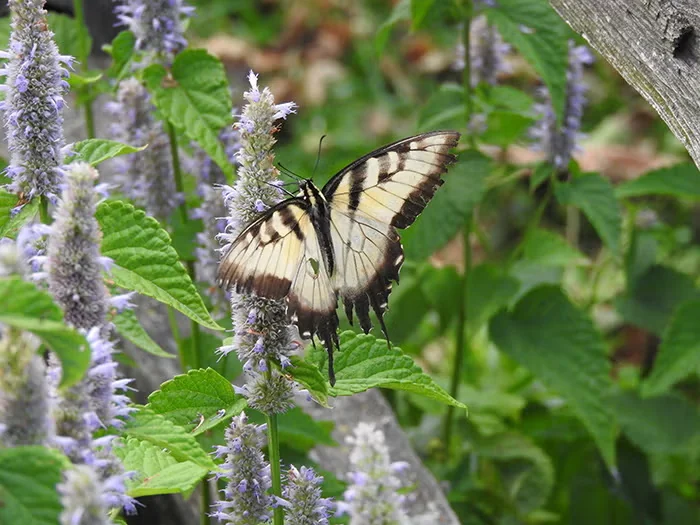
Here are two sun-loving native perennials that most folks grow just for looks, but they make wonderful tea: sweet goldenrod (Solidago odora) and anise hyssop (Agastache foeniculum), both tough enough for Zone 4. Sweet goldenrod fills the late-summer garden with a rich, spicy fragrance and cheerful yellow flowers. Anise hyssop brings anise-scented leaves and spikes of purple blooms all summer long. Both plants give you tea, give your garden color, and give the bees and pollinators a feast—it's a win all around.
Herbs for the Shade Garden
There's a common belief that herbs need full sun, but a handful actually prefer the shade. For a low-growing groundcover, sweet woodruff and sweet violet are your go-tos. Sweet woodruff (Galium odoratum) forms a soft carpet just six inches tall, covered in whorled leaves. Hardy to Zone 4, it loves shady, moist spots and sends up delicate white flowers each spring. Both leaves and blossoms work beautifully in teas, punches, and cordials, but this plant's real claim to fame is flavoring traditional May wine. Deer ignore it, and if you dig divisions in spring, they make lovely little container plants for the patio.
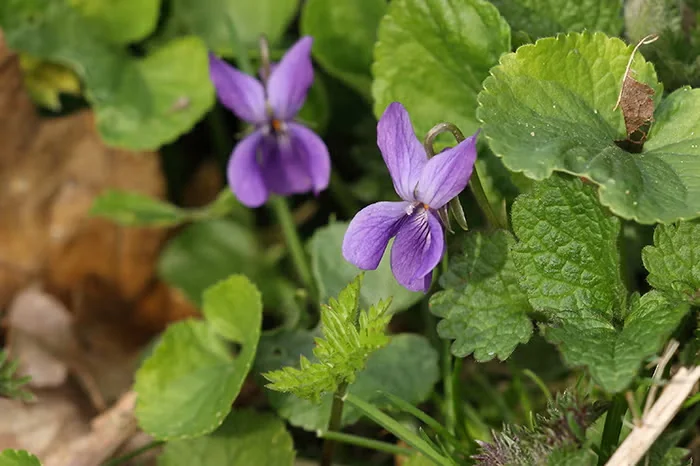
Sweet violet (Viola odorata) is a charming Zone 5 groundcover that blooms in spring and loves nothing more than shade and moist soil. Those little blossoms? Absolutely delicious—eat them fresh, candy them, steep them in syrup, or scatter them over a dessert for a simple, elegant touch.
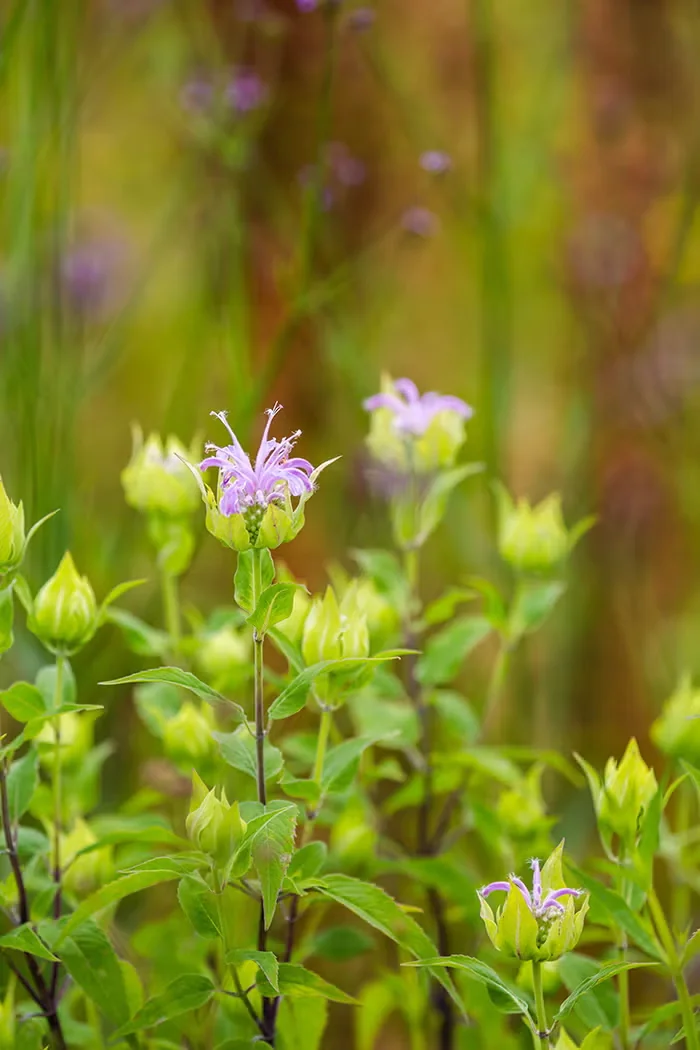
Bee balm (Monarda didyma) and wild bergamot (M. fistulosa) are summer bloomers that shrug off Zone 4 winters without a fuss. They'll take full sun if the soil stays moist and well-drained, but honestly they're happier with a bit of afternoon shade. Steep the leaves for tea, and toss those spiky edible flowers into fruit salads, drinks, or over desserts for a pop of color. As native plants, they're also magnets for butterflies, hummingbirds, and all sorts of pollinators.
Chives (Allium schoenoprasum) are like the monardas—they can handle full sun with enough moisture, but I've always had better luck growing mine in part shade. These tough little perennials are hardy to Zone 4, dying back in winter and pushing back up as early as March. They only reach about a foot tall and stay wonderfully narrow, so you can squeeze them into all kinds of tight spots. Deer leave them alone, and both the hollow leaves and those pretty purple flower pom-poms are edible.
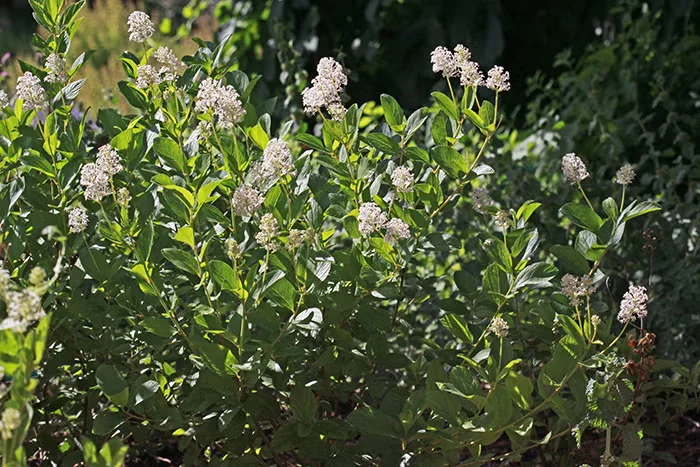
A few shade-tolerant shrubs pull double duty—gorgeous in the garden and useful in the teapot. New Jersey tea (Ceanothus americanus) is an adaptable native deciduous shrub hardy to Zone 4 that blooms in spring and thrives across much of the East Coast. It reaches three to four feet tall and doesn't fuss over whether it gets part shade or full sun, or whether the soil is dry or moderately moist. Spicebush (Lindera benzoin) is another Zone 4 native that grows about six feet tall and makes a lovely tea. It hails from eastern swamps and low woods, tolerates sun or shade, but prefers things on the moist side. Come fall, the foliage turns a gorgeous gold, and its tiny yellow flowers are a welcome sight in early spring. If it's showy flowers you want alongside your tea, try camellia (Camellia sinensis), hardy to Zone 7, which blooms in pink or white from autumn into early winter.
Pretty Herbs to Grow in Pots
Want to up the wow factor? Try a signature plant in a handsome container, placed where it'll get noticed. A makrut lime (Citrus hystrix) or a bay tree (Laurus nobilis) makes a wonderful small-scale focal point in a big pot. Both are only hardy to Zone 9, but here's the trick: grow them in containers and wheel them indoors before the first frost, then back out again when spring arrives. For a splash of summer color, tuck edible flowers around the base—orange nasturtiums (Tropaelum majus) or cheerful yellow signet marigolds (Tagetes tenuifolia) are perfect companions.
Certain annuals really shine when they're elevated. Borage (Borago officinalis), for instance—those dainty, starry blue flowers face downward, so planting it in a tall container brings them right up to eye level where you can appreciate them. Columnar basil makes a striking vertical accent when paired with an equally tall, narrow pot. And rosemary? Sheer elegance when it's clipped into a topiary and set in a classic terra-cotta pot.
These are just a taste of the edible plants that can feed both your eyes and your appetite. Next time you're choosing herbs, think beyond the kitchen—consider everything the plant brings to the table, and you'll discover all sorts of creative places to tuck them in.
Image credits: Rosemary byfir0002flagstaffotos/GFDL 1.2; Salvia byJoanna Boisse/CC BY-SA 4.0; Apothecary rose byDawn Huczek/CC BY 2.0; Anise hyssop byBrian Plunkett/CC BY 2.0; Violet byDean Morley/CC BY-ND 2.0; Bergamot byMelissa McMasters/CC BY 2.0; New Jersey tea byAndrey Zharkikh/CC BY 2.0
More from Ornamental
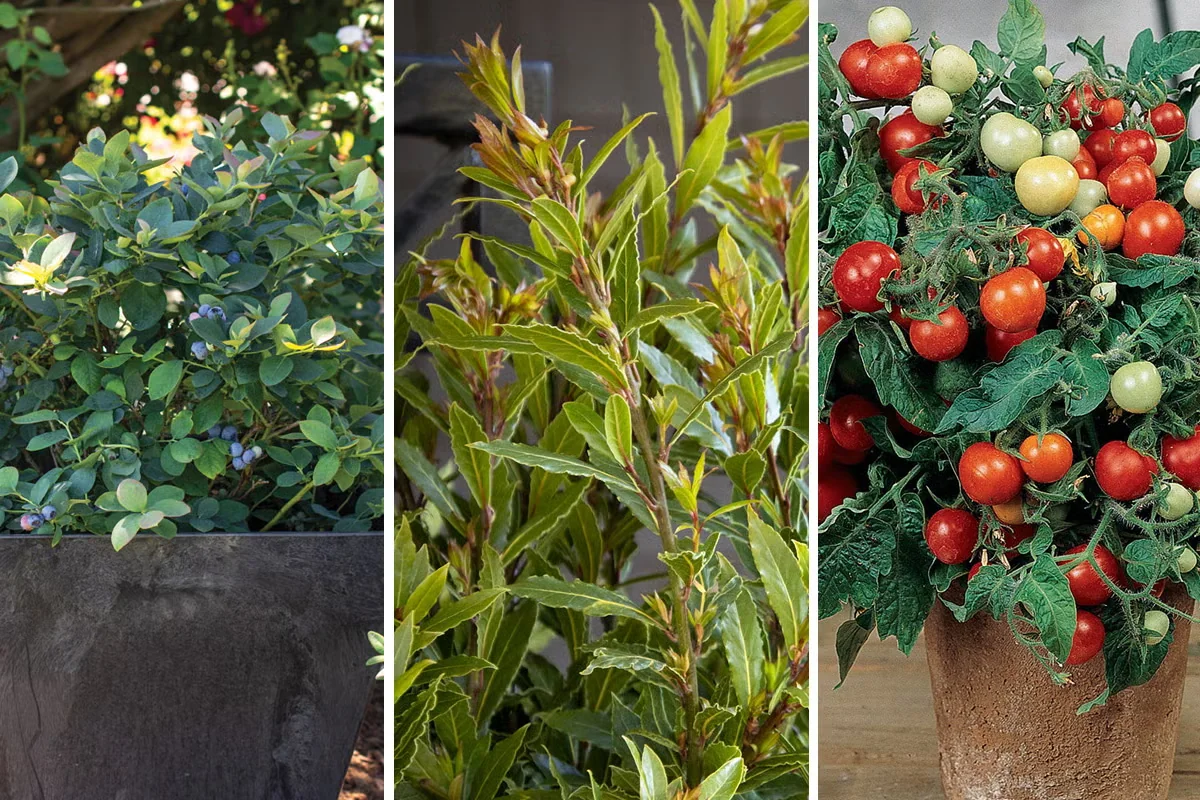
Compact Edible Plants for Small-Space Gardens
Picture this: you're on your back patio, and you reach over to pluck a sun-warmed cherry tomato from a plant barely eight inches…
Uncommon Herbs to Grow at Home
Most of us, when we think of culinary herbs, automatically picture the Mediterranean staples: basil, mint, oregano, thyme, sage,…
Grow Blueberries and Their Relatives to Benefit the Garden and Your Health
Isn't it something how the simple things we love as kids end up opening into whole worlds of discovery as we get older?…