Asparagus goes through a stunning transformation every growing season. As soon as the ground warms in spring, green stalks poke through the soil like slender…
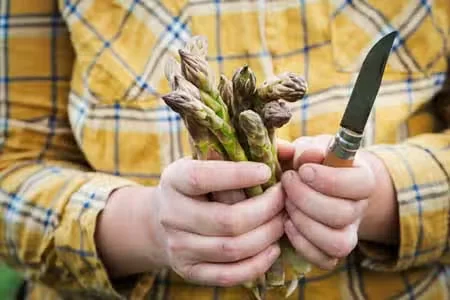
Asparagus goes through a stunning transformation every growing season. As soon as the ground warms in spring, green stalks poke through the soil like slender paintbrushes—and that, of course, is the part we eagerly harvest. But let those spears keep growing, and the tight, pointy bundle of buds at the top of each one begins to unfurl into something at once prehistoric and serene. Asparagus is a foliage plant like no other, the primal vigor of its growth balanced by the ethereal grace of its form.
The lacy, nearly leafless fronds of a mature asparagus stalk in summer would hold their own in any perennial border. Come fall, the red berries on female asparagus plants add the finishing touch. Even the darkened stalks browned by a hard frost bring interest to the late fall and early winter garden. As one of the few perennial vegetables—hardy from Saskatchewan to South Carolina—asparagus is a key player in the edible landscape lineup.
Design Ideas Growing three to five feet tall, asparagus fits nicely in the mid-ground of perennial border compositions. Use smaller brassicas, chard and other ornamental greens in the foreground. Or, pair it with low-growing ornamentals that complement its loose, airy texture, such as Carex comans 'Bronze Curls' and Geum x 'Marmalade'. Plant sunflowers, cardoon, indeterminate tomato vines, tree dahlias or shrubbery of a contrasting leaf color behind it.
Asparagus beds stay productive for 15 years or more, so you can think of it as a long-term anchor in a cottage garden or formal border design. The plants also fit beautifully into modernist themes—framing them in a bed of weathering steel (often called Cor-Ten) or with a backdrop of horizontal latticework is a lovely touch.
Let the bed shape be guided by the overall design surrounding an asparagus patch. If rectilinear raised beds of flowers and vegetables define your garden, strategically tuck a few narrow asparagus beds throughout the layout. (A single row of asparagus needs a bed width of only 18 inches.) This weaves a perennial element through the annual plantings—something that behaves well in all four seasons. Or, if your border follows a meandering berm, asparagus makes a fitting specimen for a swath of foliage tracing the peak of the berm. It will appreciate the deep soil and lend definition and unity to the planting. Asparagus has such a soft, airy form that even massing it will never visually dominate a planting.
Growing Asparagus Asparagus requires full sun, or filtered light in hot climates; neutral soil pH; regular moisture; and rich, well-drained soil. It is hardy in USDA Zones 3 through 9. In late winter or early spring, plant bare-root crowns in trenches 8 to 10 inches deep and cover them with an inch of soil; add soil as the spears grow until the trench is filled.
Asparagus has such a narrow harvest window that it pays to plant more than you think you'll eat, then pickle the extra spears as an easy appetizer to enjoy the rest of the year. Let the planting get established for two years before you start harvesting, then pick all spears that are at least pencil-thick in spring. You have to stay on your toes to catch the spears at their tender prime, though. They can grow up to six inches per day in spring; if you don't harvest daily, you'll miss that sweet spot where each spear is tall enough to pick but not so tall that it turns tough and chewy. Of course, you can't pick every spear that pushes through the soil, or the plant won't photosynthesize enough to store energy for next year's crop. After four weeks of harvesting, let the majority of the stems spread their delicate wings and soak up the sun for the rest of the year.
Brian Barth is a landscape architect who specializes in urban farms and edible landscapes.
Image credit: Mint Images/Mint Images RF/Getty Images
More from Asparagus
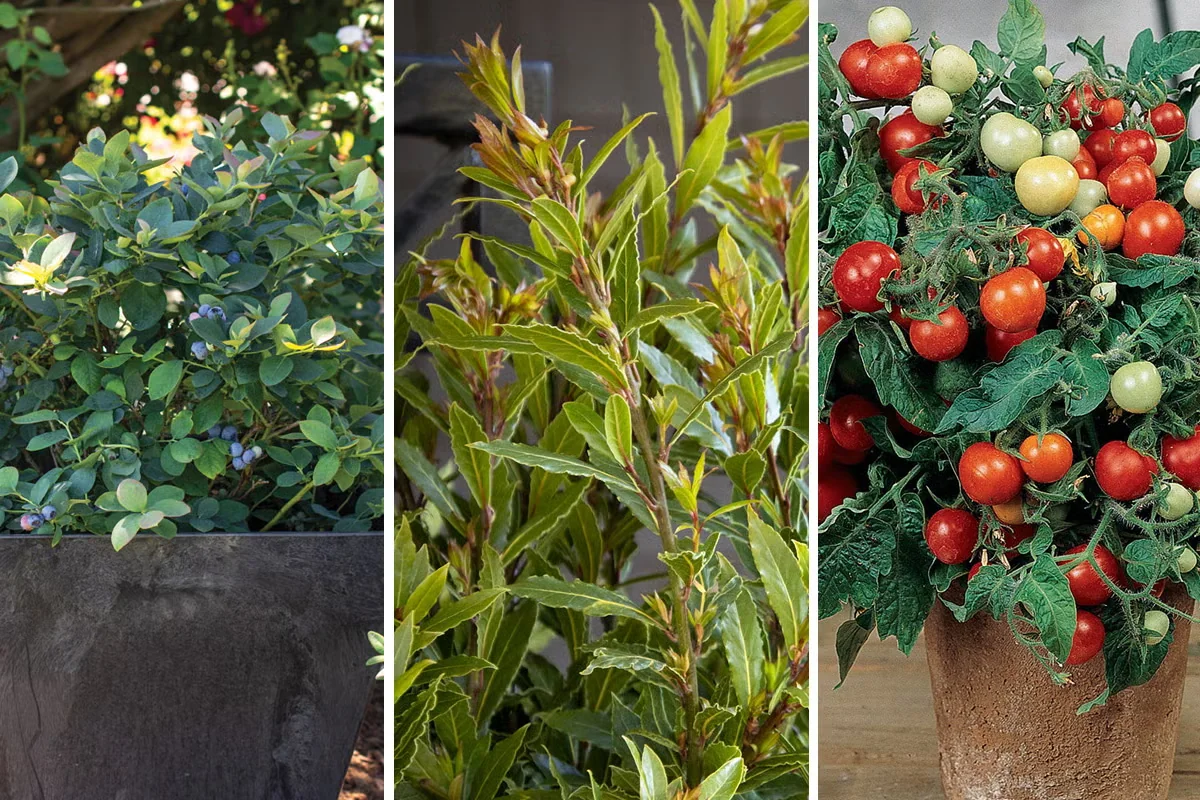
Compact Edible Plants for Small-Space Gardens
Picture this: you're on your back patio, and you reach over to pluck a sun-warmed cherry tomato from a plant barely eight inches…
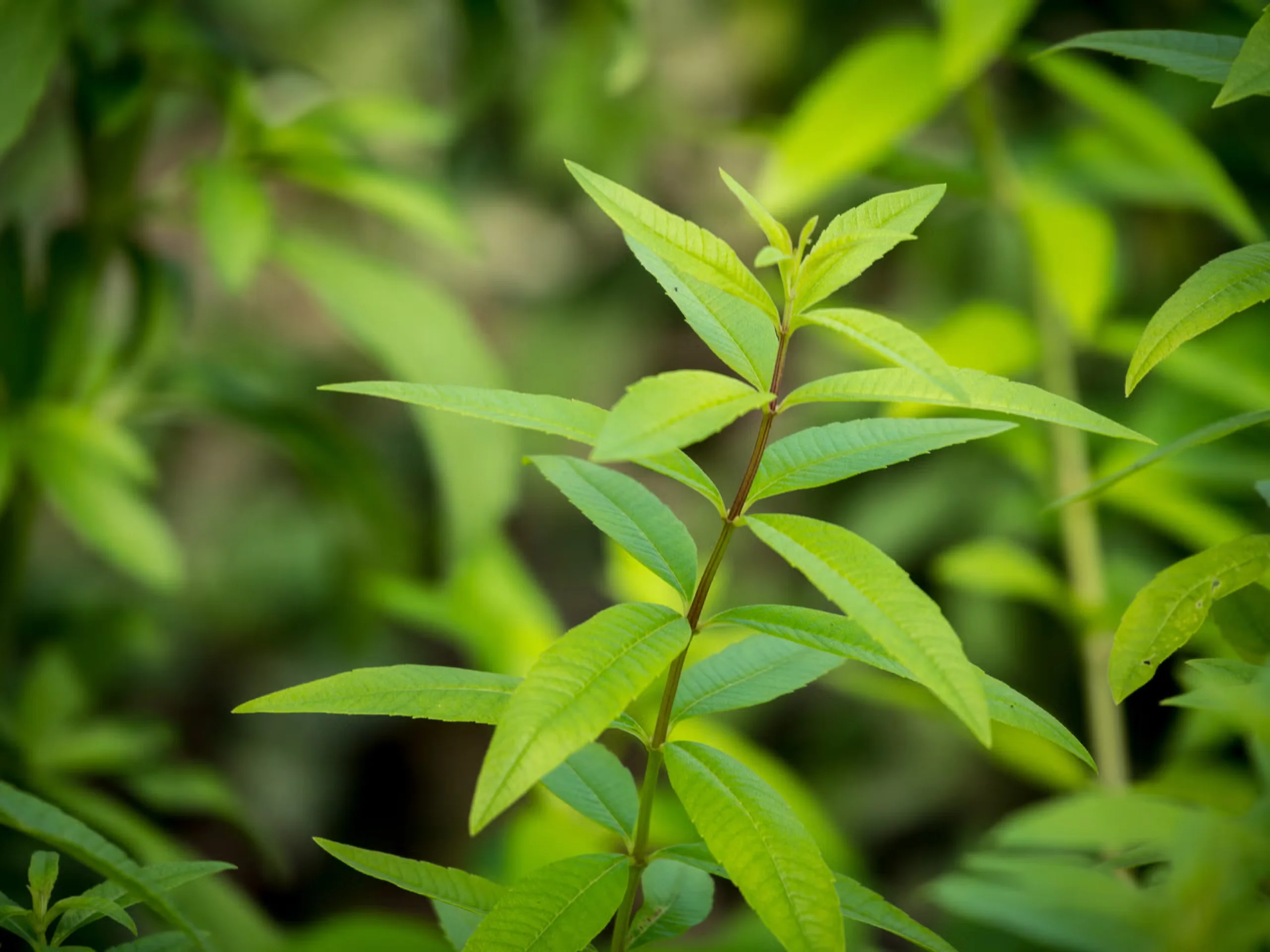
Uncommon Herbs to Grow at Home
Most of us, when we think of culinary herbs, automatically picture the Mediterranean staples: basil, mint, oregano, thyme, sage,…
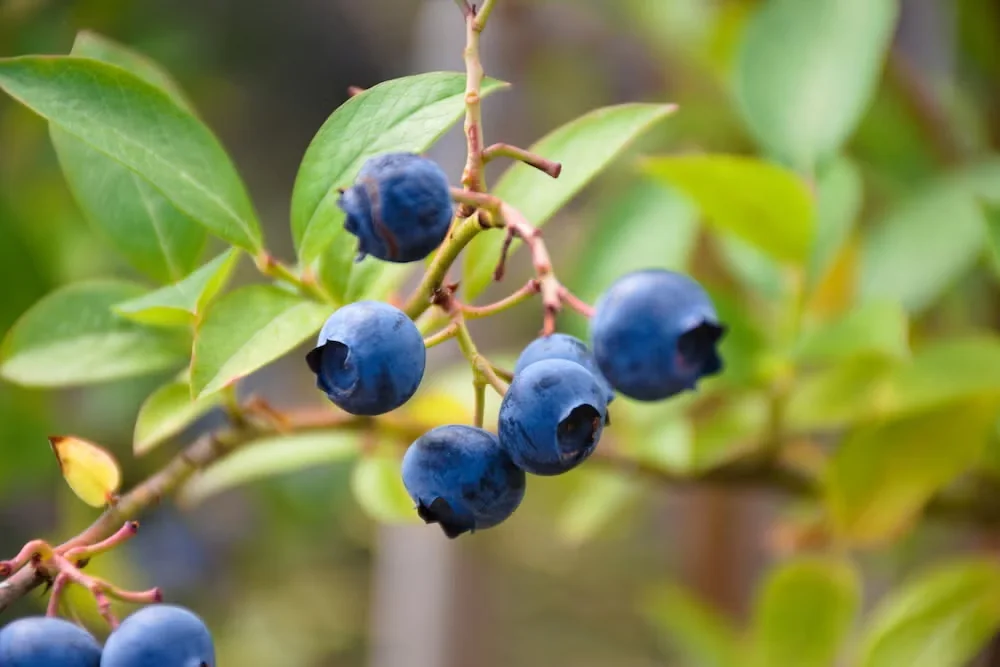
Grow Blueberries and Their Relatives to Benefit the Garden and Your Health
Isn't it something how the simple things we love as kids end up opening into whole worlds of discovery as we get older?…