As an Amazon affiliate, we earn from qualifying purchases made through affiliate links.
As an Amazon affiliate, we earn from qualifying purchases made through affiliate links.
Virtues: Brew-Tea-Ful is a compact little shrub that lets you make five different teas right at home—green, white, black, flower, and oolong. It keeps its glossy evergreen leaves year-round and puts out white flowers in fall. While most tea plants appreciate some shade, Brew-Tea-Ful actually prefers full sun. And at just about a foot tall and wide, it's tailor-made for container growing—perfect for a sunny patio or even a bright windowsill.
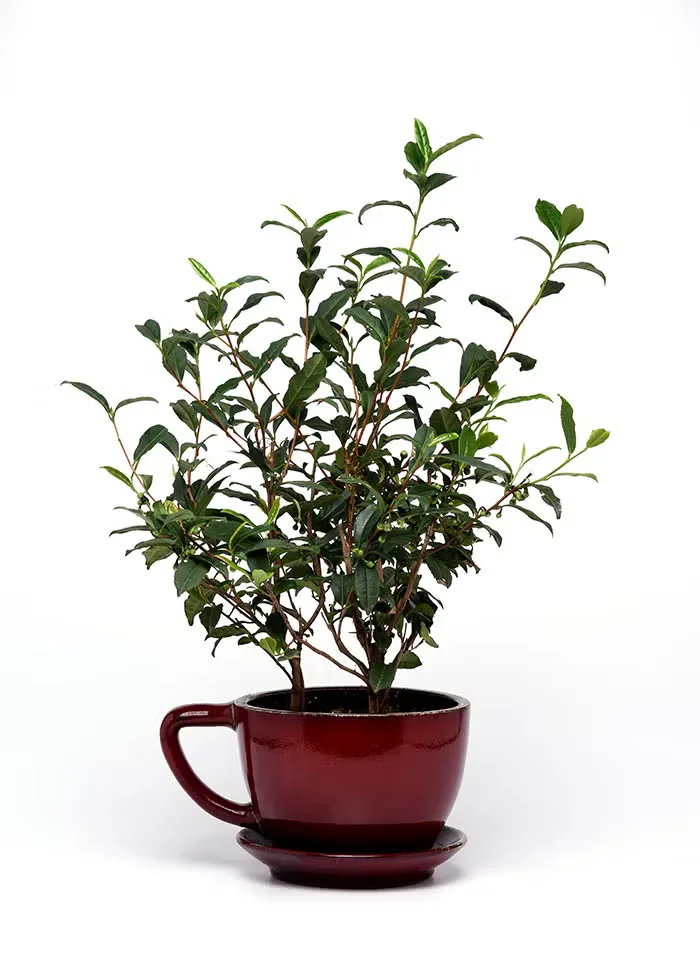
Common name:Brew-Tea-Ful green camellia
Botanical name:Camellia sinensisBrew-Tea-Ful
Flowers: White blossoms appear in fall. They're smaller and less showy than the fancy ornamental camellias you see in gardens, but they share the same classic camellia shape. And here's the lovely part—just like the leaves, the flowers can be dried and used to make tea.
Foliage: The narrow oval leaves are dark green and glossy, and they stay on the plant all year. Each leaf has a finely serrated edge—run your finger along it and you'll feel the tiny teeth.
Habit: Brew-Tea-Ful grows in a neat, upright, narrow form—12 to 15 inches tall and 10 to 12 inches wide. It's a tidy little plant that won't take over your space.
Origin: Camellia sinensis hails from Southeast Asia, including northern India and southern China—where people have been brewing tea from its leaves for centuries. Brew-Tea-Ful was bred by John Robb in Australia and introduced to the US retail market by Ball Seed in 2021.
How to grow it: Site in full sun. Good drainage is a must, and this plant likes regular moisture and slightly acidic soil. If your garden soil runs alkaline, no worries—just grow it in a container with an acidic potting mix (the kind made for azaleas works beautifully) or stir some peat moss into an all-purpose mix. Keep the water consistent, especially when summer heat kicks in. To harvest, simply pinch off the growing tips, making sure to grab a bit of stem along with two to five leaves. Separate the leaves and dry them. The kind of tea you end up with depends on when you harvest and how you process and blend the dried leaves. USDA Zones 7–11.
Image credit: Courtesy of Ball Seed
For more on tea plants and drying the leaves, check out "Backyard Tea" at the American Camellia Society's website.
Curious about native options? Read "Tea Plants Native to North America" on hortmag.com.
To really dive deep into growing tea plants and crafting your own blends at home, pick up Grow Your Own Tea by Christine Parks and Susan Walcott—it's become my go-to reference.
More from Compact
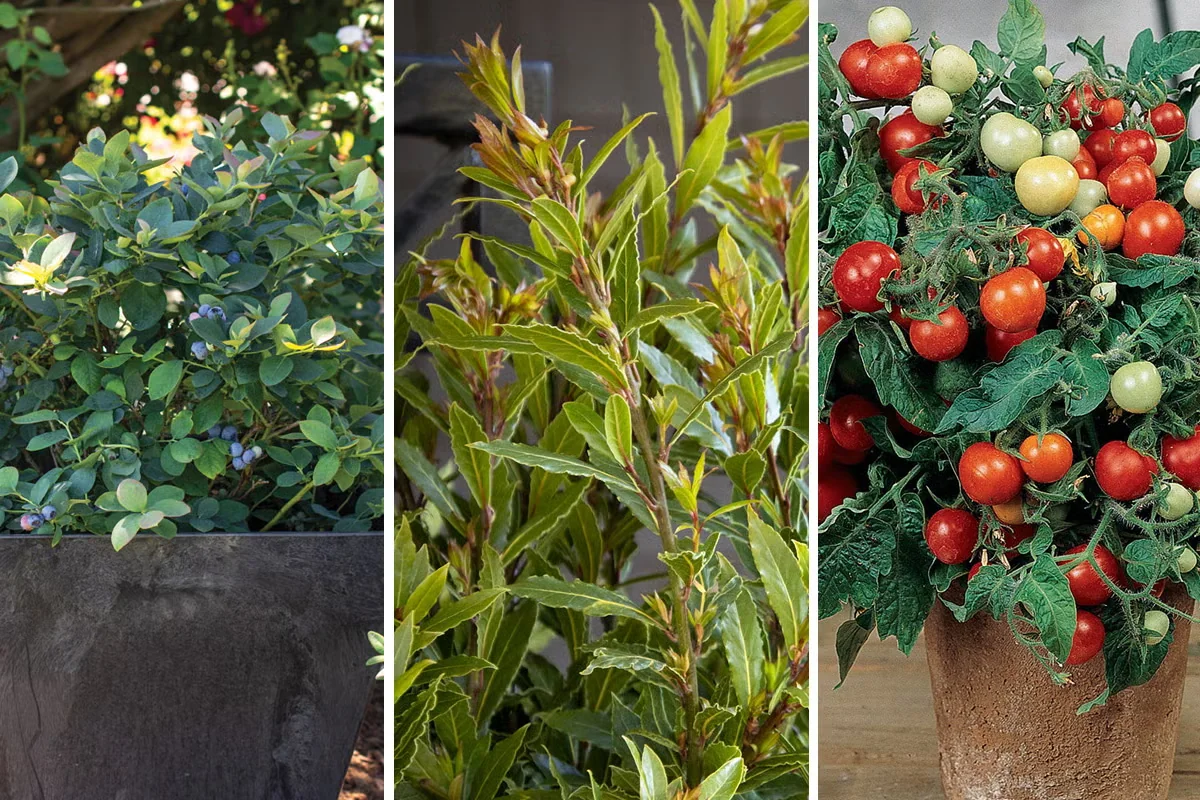
Compact Edible Plants for Small-Space Gardens
Picture this: you're on your back patio, and you reach over to pluck a sun-warmed cherry tomato from a plant barely eight inches…
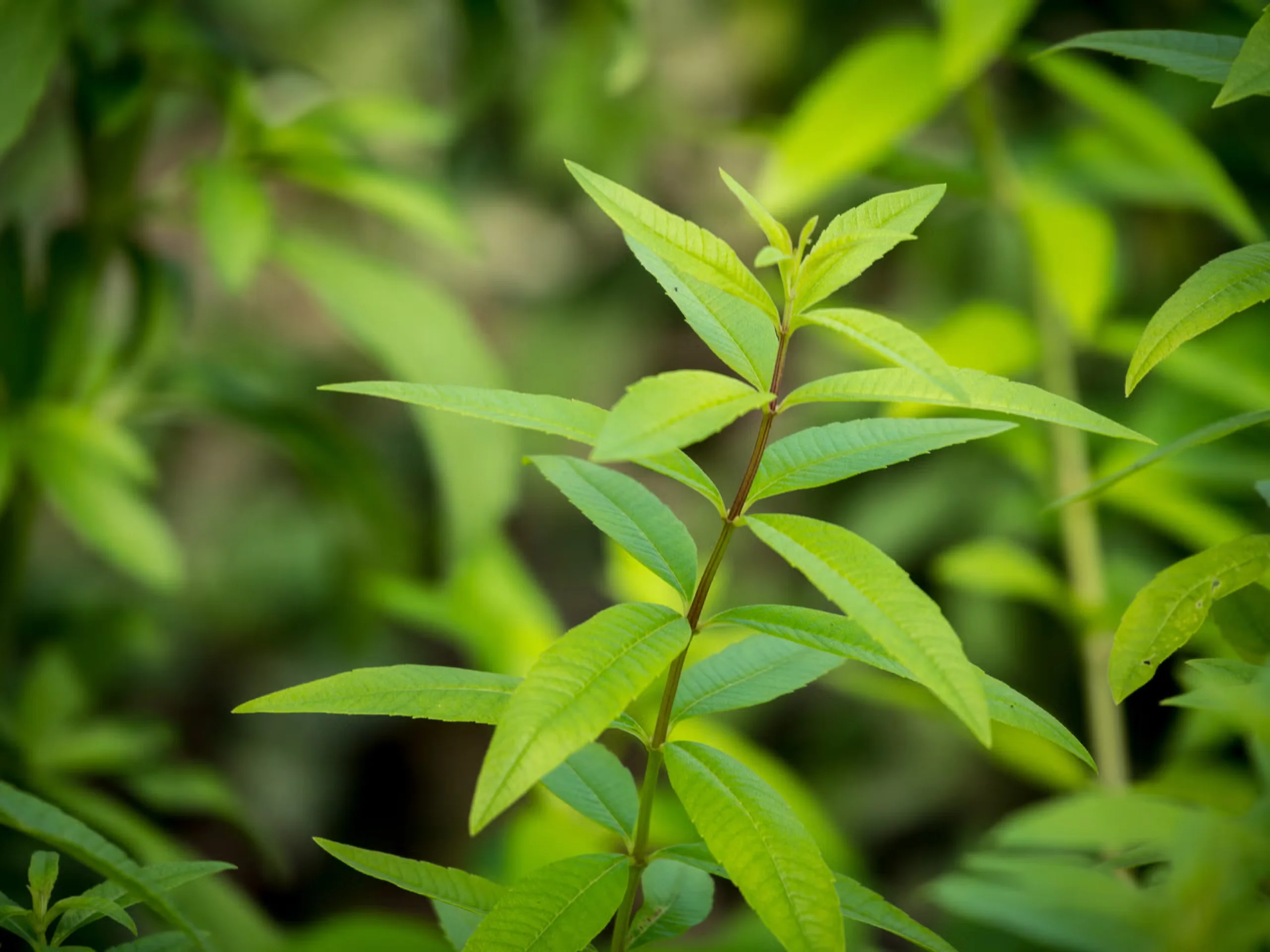
Uncommon Herbs to Grow at Home
Most of us, when we think of culinary herbs, automatically picture the Mediterranean staples: basil, mint, oregano, thyme, sage,…
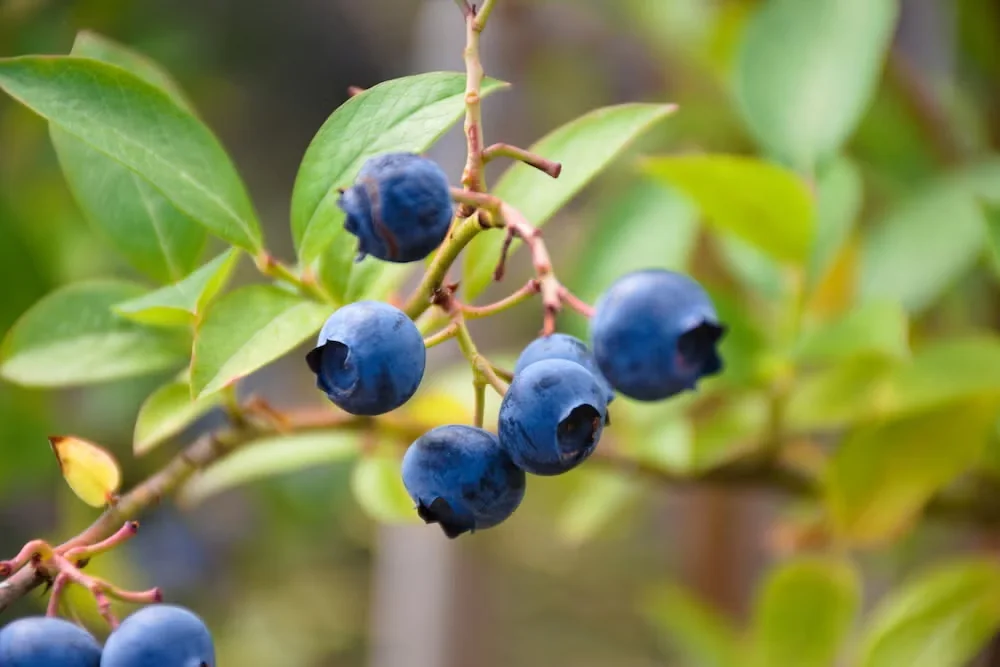
Grow Blueberries and Their Relatives to Benefit the Garden and Your Health
Isn't it something how the simple things we love as kids end up opening into whole worlds of discovery as we get older?…