Celery can fall prey to parsleyworms, carrot rust flies, and nematodes, but honestly, you're far more likely to run into these pests in massive commercial…
Celery can fall prey to parsleyworms, carrot rust flies, and nematodes, but honestly, you're far more likely to run into these pests in massive commercial fields than in a backyard patch. That's exactly why store-bought celery lands near the top of the dirty dozen list—it's one of the most heavily sprayed crops in the produce aisle. Do yourself a favor and grow your own. You'll get crisp, clean stalks without the chemical residue, and it's easier than you might think.
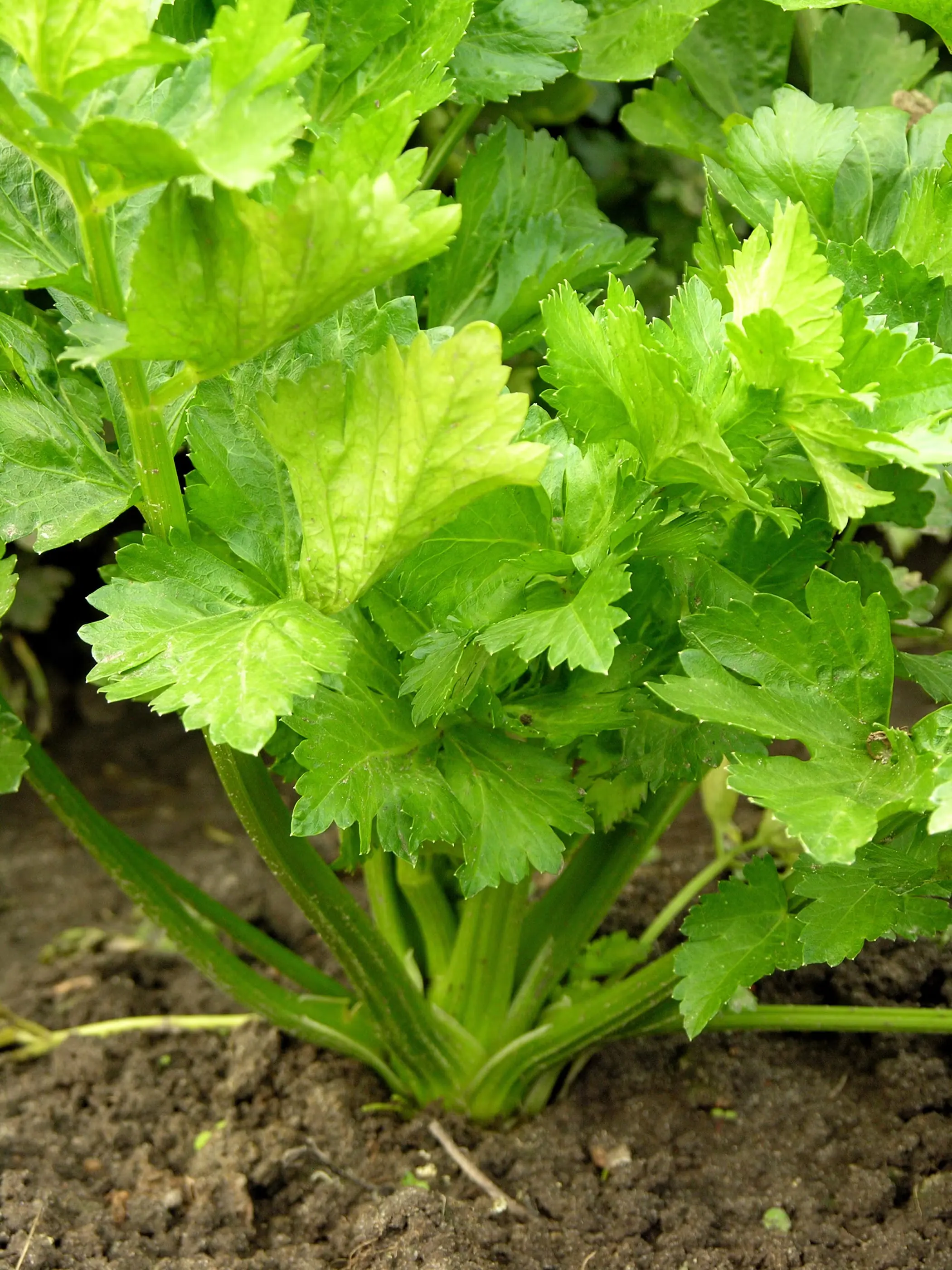
Parsleyworms are actually the caterpillar stage of the black swallowtail butterfly—one of the garden's most welcome visitors. If you spot any on your celery, just relocate them to another umbelliferous plant like Queen Anne's lace. As for carrot rust flies, a simple row cover supported by hoops over your plants will keep them at bay, especially if you know they're a recurring nuisance in your area.
Your best weapon against nematodes is plenty of compost combined with a solid crop rotation plan. Don't plant any member of the carrot family in the same spot more than once every three years, and you'll stay well ahead of the problem.
What Makes Celery Challenging to Grow
What gives celery its fussy reputation is its genuine dislike of temperature extremes. When the plants are young, soil that's too cool will trigger bolting. On the flip side, too much hot, direct sun makes the stalks tough and stringy, sometimes hollow, and then they bolt too. What celery really craves is cool days, moderate nights, and dappled sun in rich, moisture-retentive soil—a bit like the conditions it loves along stream banks back where it originated.
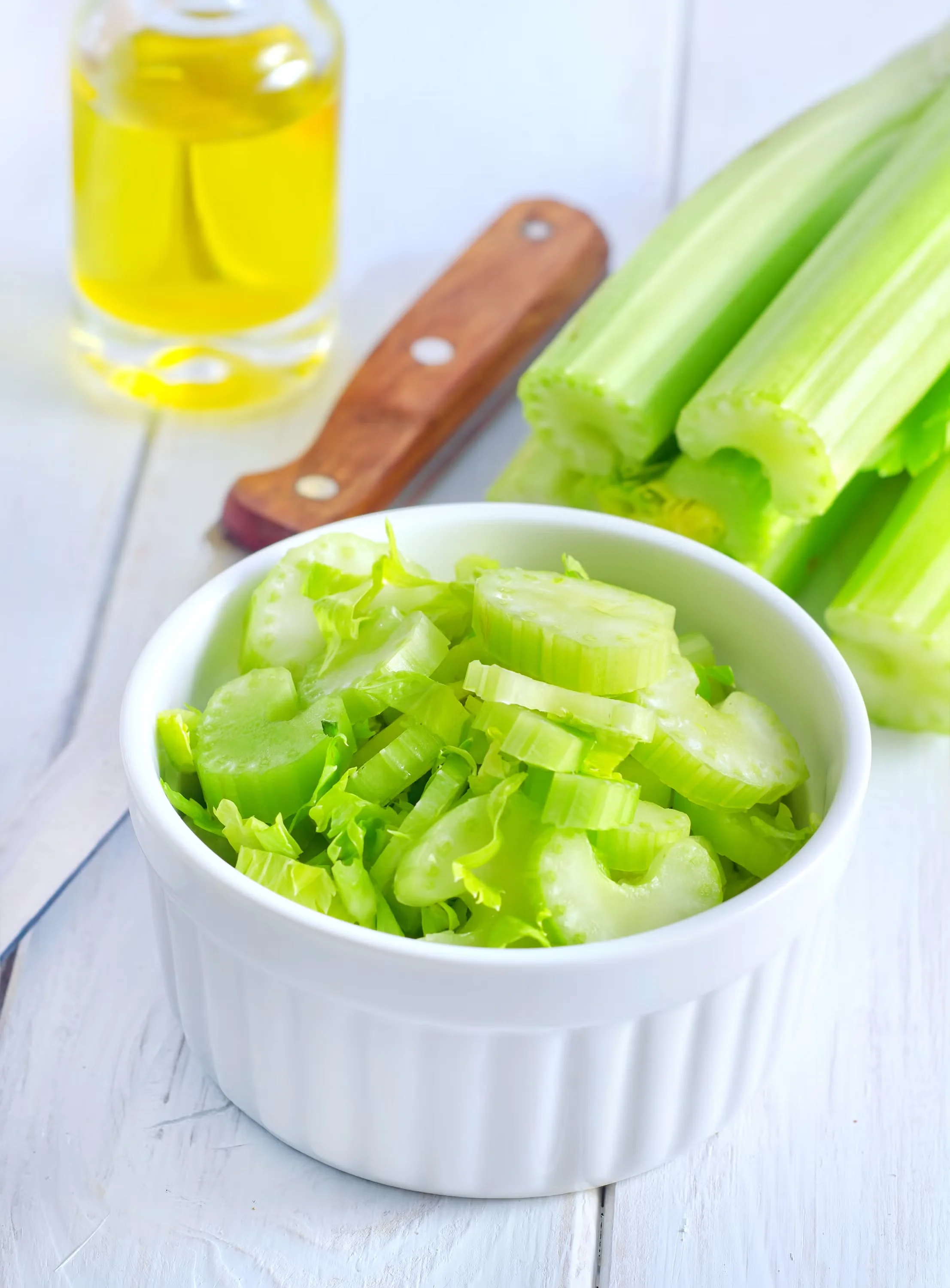
Tips for How to Grow Celery
• The golden rule: never let the soil dry out. Set up drip irrigation on a regular schedule and blanket the bed with straw or shredded leaf mulch. That combo locks in moisture and smothers weeds before they even think about germinating.
• A week or two before you seed or transplant, work in a generous dose of well-composted chicken manure or alfalfa meal. Celery is a nitrogen lover, and getting that fertility banked early pays off all season long.
• Keep an eye out for boron deficiency—it shows up as dark, corky spots on the stalks. A light application of boron to the soil or a fish fertilizer drench usually clears things up quickly.
• Go easy when weeding around celery. The root system is surprisingly small and shallow. If a weed is growing close to a stalk, snip it off at ground level rather than yanking it out and unsettling the celery's roots.
Peter Garnham is a contributing editor toHorticulture.
More from Celery
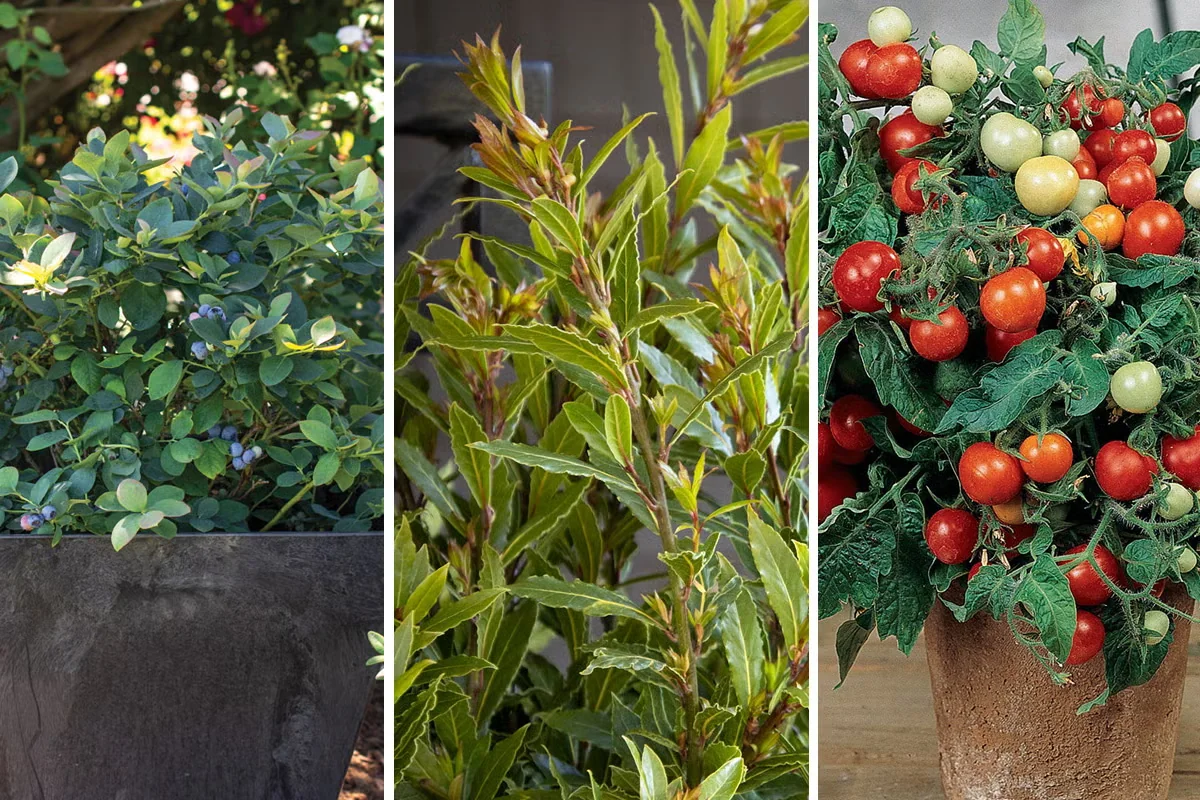
Compact Edible Plants for Small-Space Gardens
Picture this: you're on your back patio, and you reach over to pluck a sun-warmed cherry tomato from a plant barely eight inches…
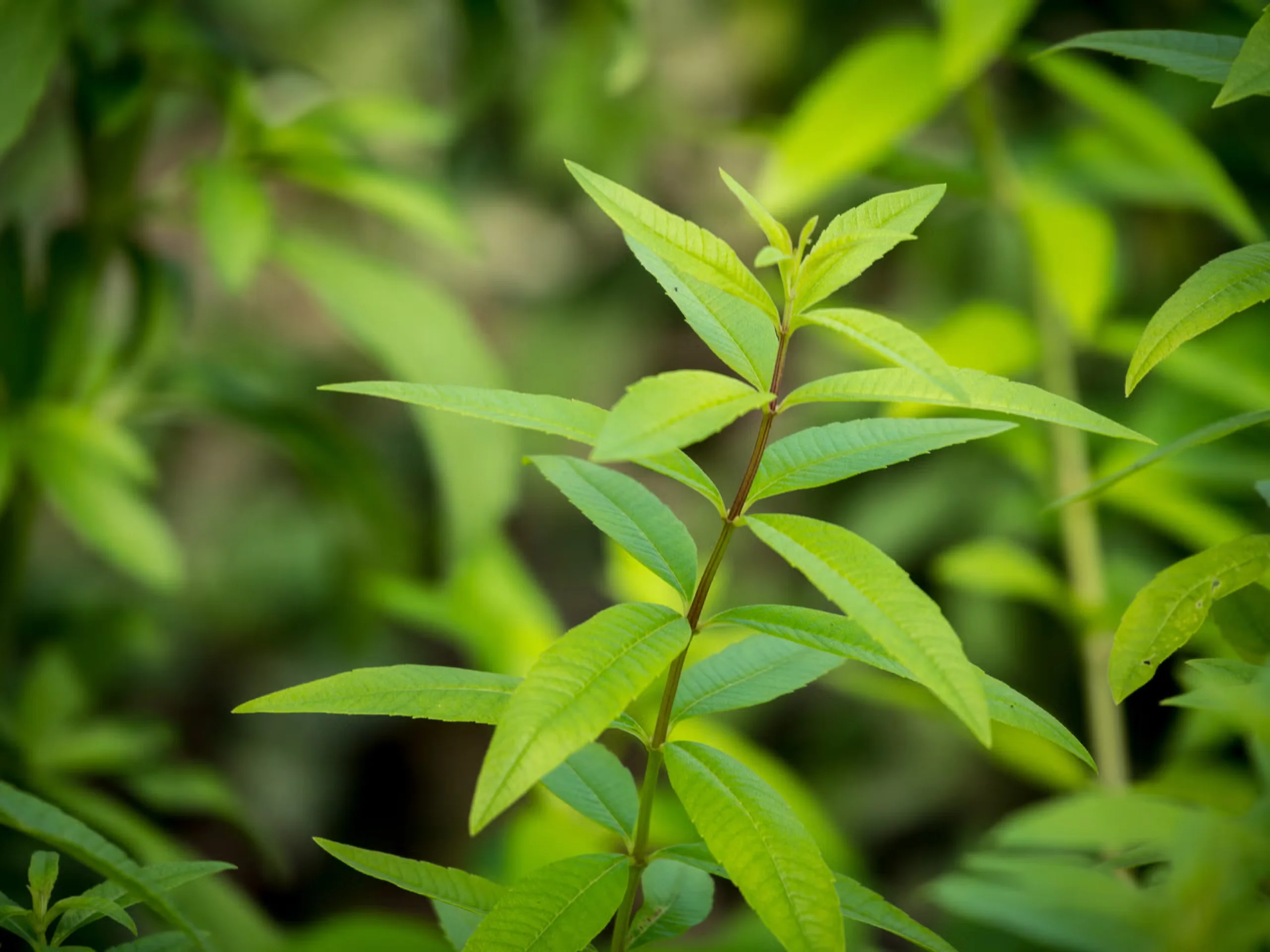
Uncommon Herbs to Grow at Home
Most of us, when we think of culinary herbs, automatically picture the Mediterranean staples: basil, mint, oregano, thyme, sage,…
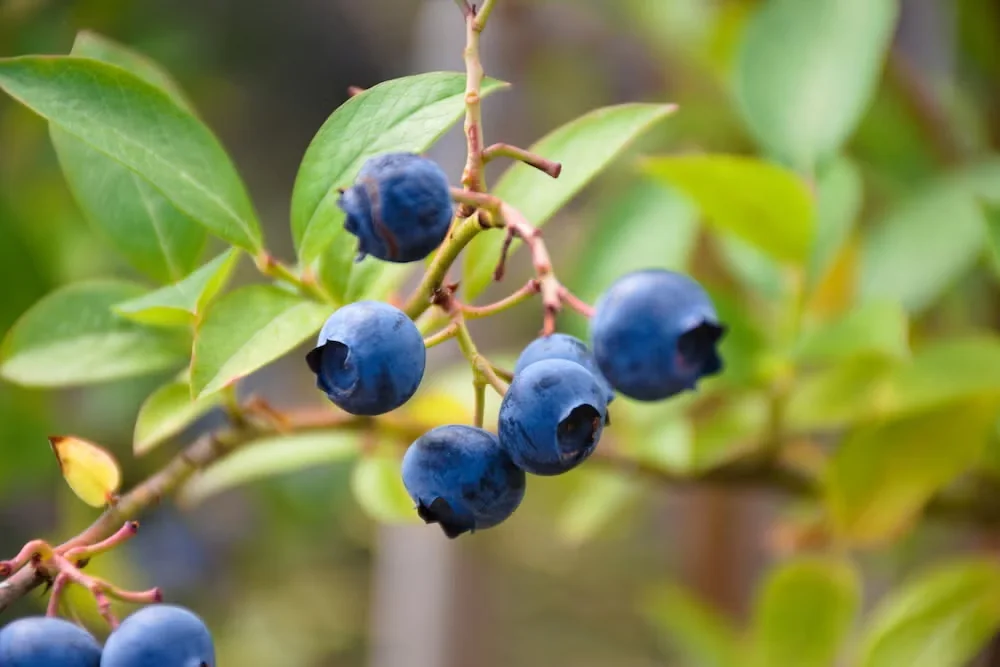
Grow Blueberries and Their Relatives to Benefit the Garden and Your Health
Isn't it something how the simple things we love as kids end up opening into whole worlds of discovery as we get older?…