When it comes to sheer size, nothing beats a giant pumpkin. Atlantic giant pumpkins (Cucurbita maxima 'Atlantic Giant') are supersized cousins of the giant…
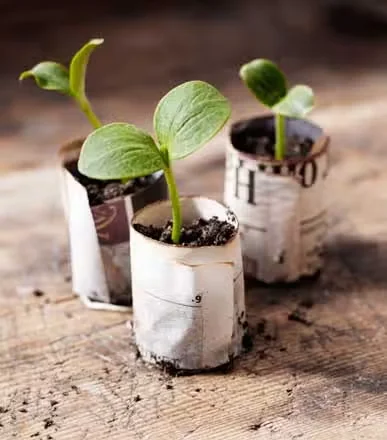
When it comes to sheer size, nothing beats a giant pumpkin. Atlantic giant pumpkins (Cucurbita maxima 'Atlantic Giant') are supersized cousins of the giant squash, honed by devoted enthusiasts through more than a century of careful selection. If you want to get kids hooked on gardening, growing a record-breaking behemoth is the way to do it—though true giants take real skill, close attention, and a healthy dose of luck. I'll tell you, nothing lights up a child's face like watching those yellow-orange orbs balloon to ridiculous proportions.
Starting seeds indoors
Giant pumpkin seeds are big and chunky, which makes them a cinch for even small hands to plant. We start ours in our little sunroom about four weeks before the last frost, dropping one or two seeds into an eight-inch pot so they have plenty of room to stretch out.
We don't set the seedlings out into rich, fertile soil until nights have warmed into the 50s—any early setback really hurts your chances. Keep up with watering and pest patrol, and the vines will hit their stride; by midsummer you can almost hear them growing. That's when I give the kids a hands-on lesson in pollination. We pick a strong female bloom on a vigorous stem and dab it with pollen plucked from a male flower's anthers.
Pollination and fruit development
Then come a few nail-biting days while we wait for the fruit to start swelling—that's the sure sign pollination worked. With steady watering, it hits basketball size within a week. At that point we gently lift it onto a bed of sand and snip away any nearby tendrils that could scar the skin. My personal best barely topped 300 pounds, but I can tell you the joy it brought the whole family was worth every square foot of garden space and every minute of attention.
Image credit: Johner Images / Getty Images
More from Giant
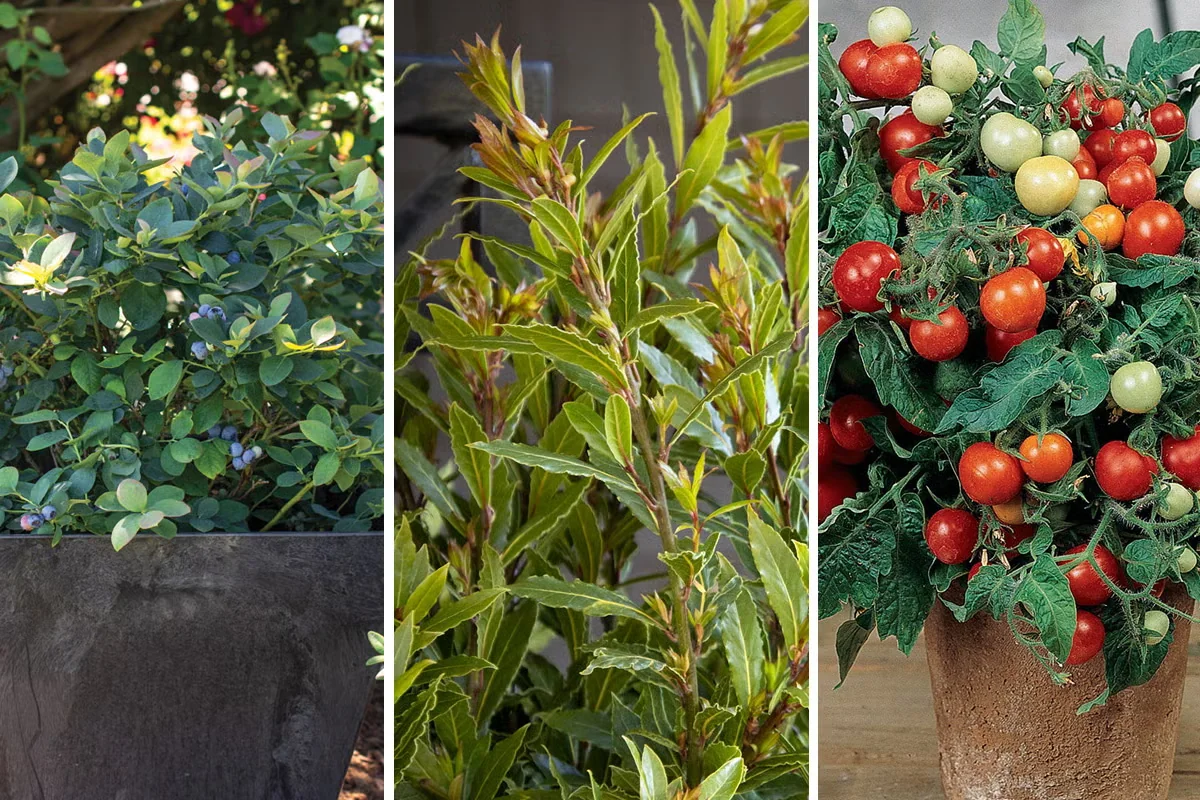
Compact Edible Plants for Small-Space Gardens
Picture this: you're on your back patio, and you reach over to pluck a sun-warmed cherry tomato from a plant barely eight inches…
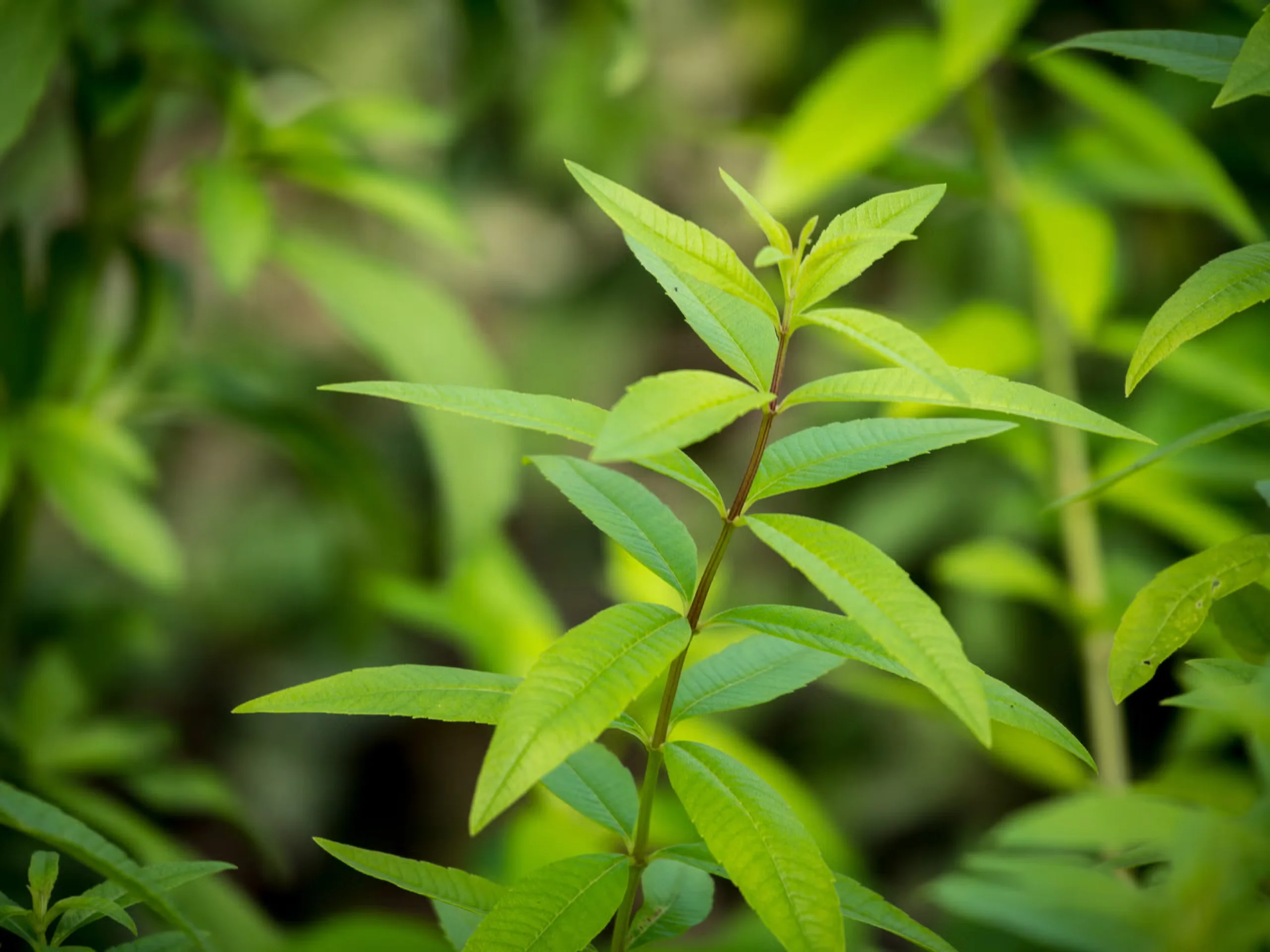
Uncommon Herbs to Grow at Home
Most of us, when we think of culinary herbs, automatically picture the Mediterranean staples: basil, mint, oregano, thyme, sage,…
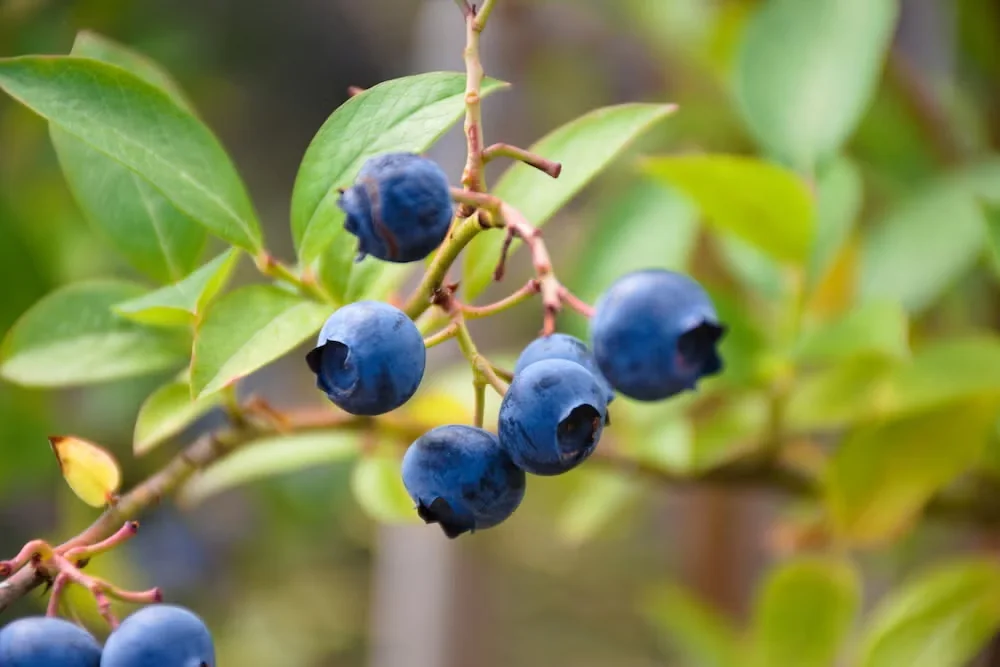
Grow Blueberries and Their Relatives to Benefit the Garden and Your Health
Isn't it something how the simple things we love as kids end up opening into whole worlds of discovery as we get older?…