As an Amazon affiliate, we earn from qualifying purchases made through affiliate links.
As an Amazon affiliate, we earn from qualifying purchases made through affiliate links.
In the old days, vegetable gardens lived out back or on the side of the house—out of sight, strictly business, no thought given to looking good. But times have changed. Today's food gardeners put their beds and containers wherever the sun shines best, and that increasingly means front yards are getting the edible treatment.
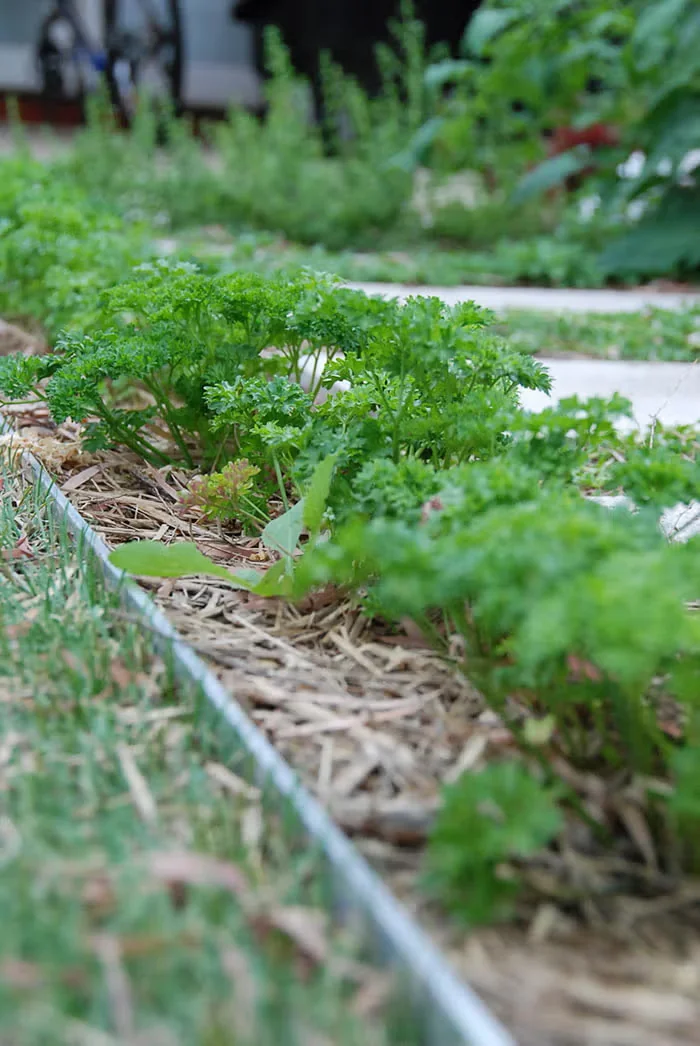
Before you start digging up the front lawn, Tara Nolan—author of Gardening Your Front Yard—recommends doing a little homework first.
“There are some areas that still have dusty bylaws, so you should check to make sure nothing will prohibit you from putting all of your ideas in place,” she says, adding that you should also know where all your utility lines are before you dig.
Once the coast is clear, she says you've got options: weave edibles into your existing ornamental beds, or carve out a dedicated space just for them.
“Raised beds keep everything looking neat and contained, and you can go smaller than you would in the backyard,” Nolan suggests. “Not ready to go all-in on the front yard? Start by tucking edibles into perennial borders or mixing them into containers with ornamentals.” For small-space growers, a few well-placed pots and planters in a sunny front yard can work wonders.
“You could dedicate a small area of your driveway to containers, fabric pots or small raised beds,” says Nolan. “A few green thumbs I know even place hay bales and pots on their driveway to grow vegetables.”
Nolan's book is full of clever, approachable ideas for front-yard food gardens—like running an edible border along the front of a shrub or perennial bed. She recommends lemon thyme or curly parsley for this, both of which draw in beneficial insects and butterflies. If you're just getting started with growing food, beginning with something this manageable keeps it fun instead of overwhelming.
“Have a plan in place and consider tackling the project in stages rather trying to do the whole project in one season,” says Nolan. “Pick the option that's right for your budget and available time.”
Image credit:Alfred Low/CC BY 2.0
More from Front-Yard
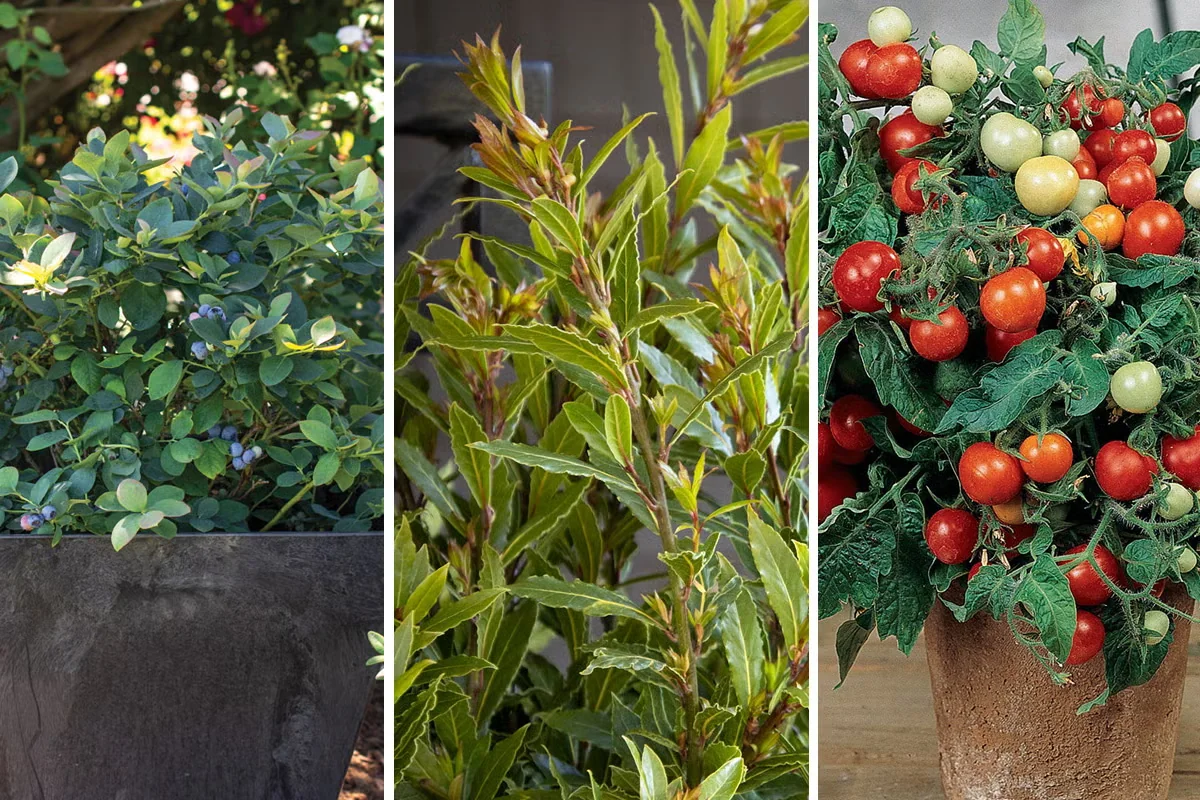
Compact Edible Plants for Small-Space Gardens
Picture this: you're on your back patio, and you reach over to pluck a sun-warmed cherry tomato from a plant barely eight inches…
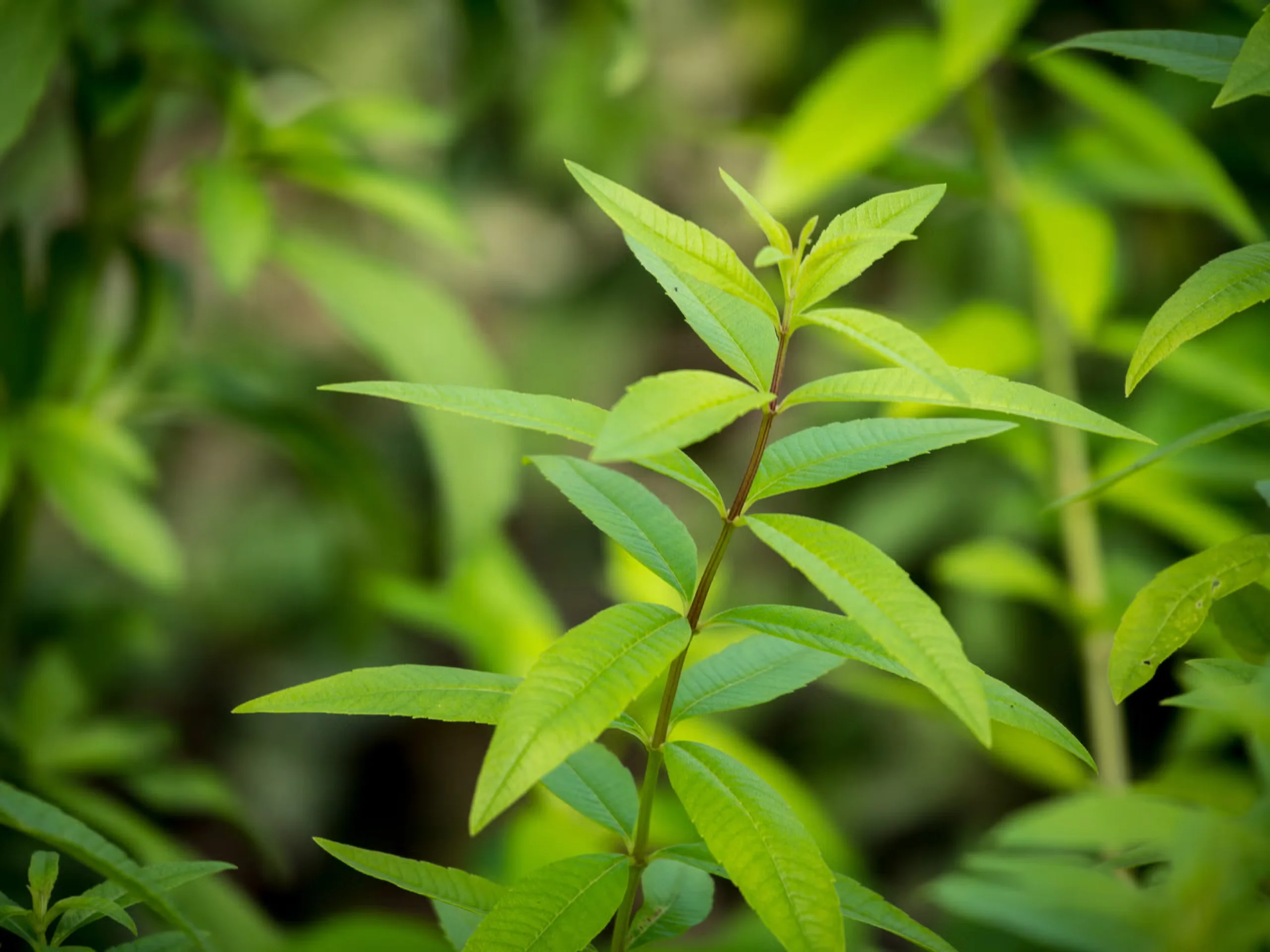
Uncommon Herbs to Grow at Home
Most of us, when we think of culinary herbs, automatically picture the Mediterranean staples: basil, mint, oregano, thyme, sage,…
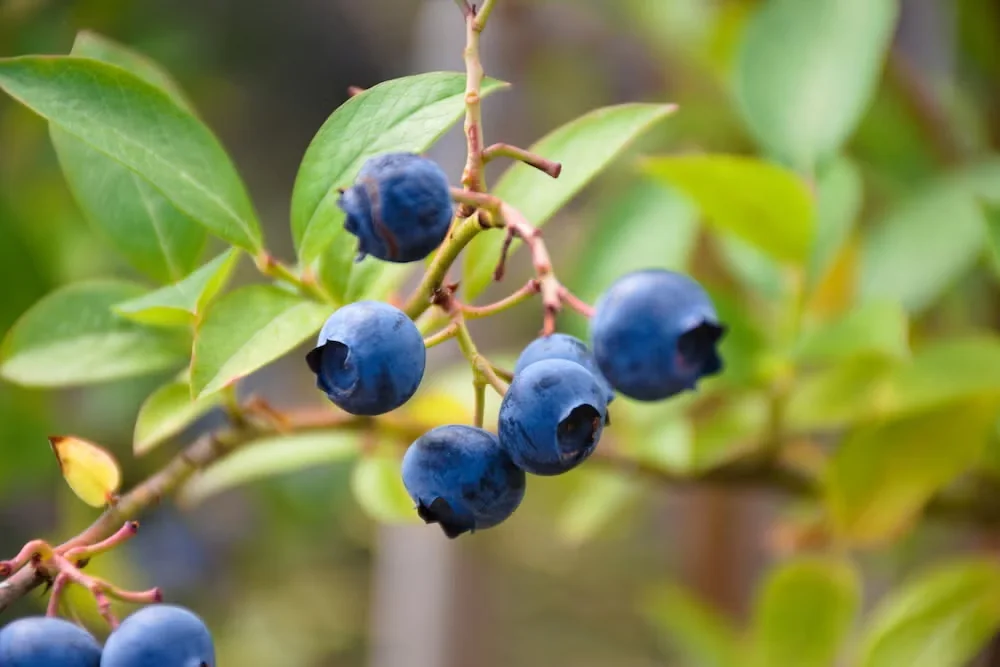
Grow Blueberries and Their Relatives to Benefit the Garden and Your Health
Isn't it something how the simple things we love as kids end up opening into whole worlds of discovery as we get older?…