'Mini Love' is a mini watermelon in every sense of the word. Its vines stretch just 3 to 4 feet—just a fraction of what traditional watermelons need. The…
'Mini Love' is a mini watermelon in every sense of the word. Its vines stretch just 3 to 4 feet—just a fraction of what traditional watermelons need. The fruits stay small too, making them ideal for smaller households that don't need a 20-pound melon taking up half the fridge. 'Mini Love' earned an All-America Selections National Award in 2017, and it's easy to see why.
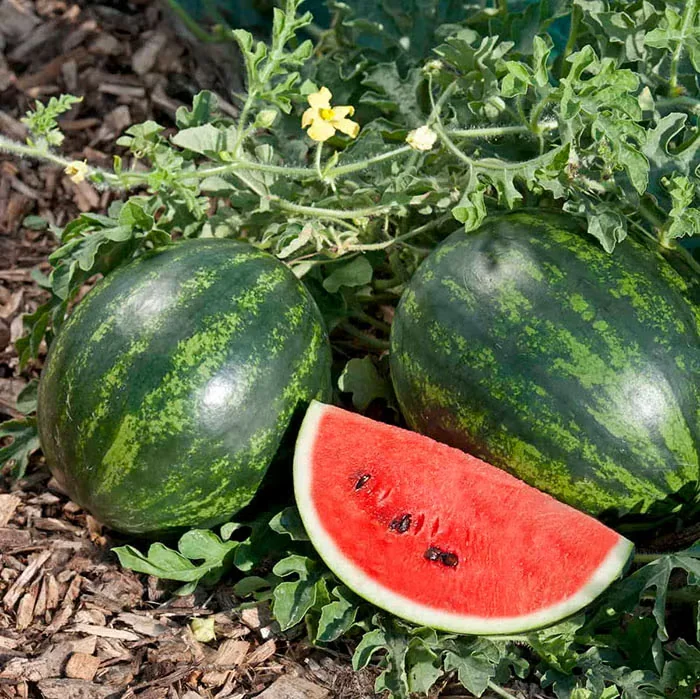
Common name:'Mini Love' watermelon
Botanical name:Citrullus lanatus'Mini Love'
Season:Fruits ripen in midsummer, 80 days from direct-sowing seeds or 70 days from planting transplants that were started indoors or purchased.
Habit:This mini watermelon stays compact, with vines that reach just 3 to 4 feet long.
Yield:Each 'Mini Love' watermelon plant yields 4 to 6 melons, each weighing 7 to 9 pounds.
Origins:'Mini Love' watermelon was bred by HM Clause and released to the market in 2017.
How to grow 'Mini Love' watermelon: Start seeds indoors about four weeks before your expected last frost date. These plants demand full sun, rich soil, steady watering, and good drainage. Watermelons need a long, warm growing season, but northern gardeners can make it work with a couple of tricks: lay plastic over the soil to warm it up, and drape floating row covers over young plants to trap heat around them. Just remember to remove the covers once the vines start blooming so pollinators can reach the flowers.
To avoid foliar diseases, water at the base using soaker hoses or drip irrigation rather than overhead spraying. Morning is the best time to water. And as those little melons develop, slide some straw or a piece of cardboard underneath them to protect against rot where they contact the soil.
Photo courtesy ofAll-America Selections
More from Award-Winning
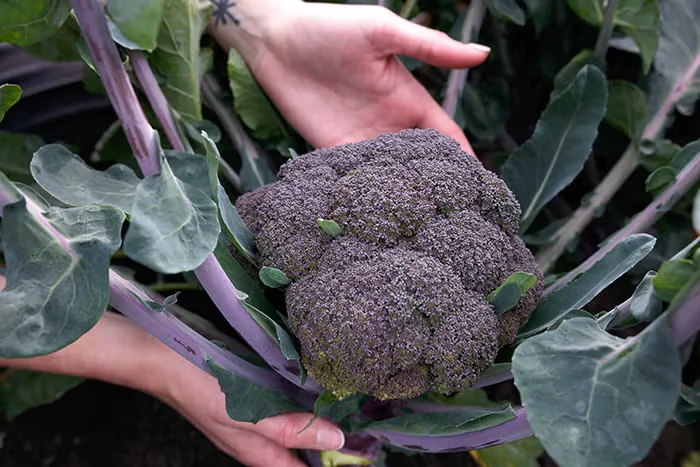
Award-Winning Vegetables to Grow in 2024
If you've ever wondered how to pick the best vegetable varieties for your garden, All-America Selections does the homework for…
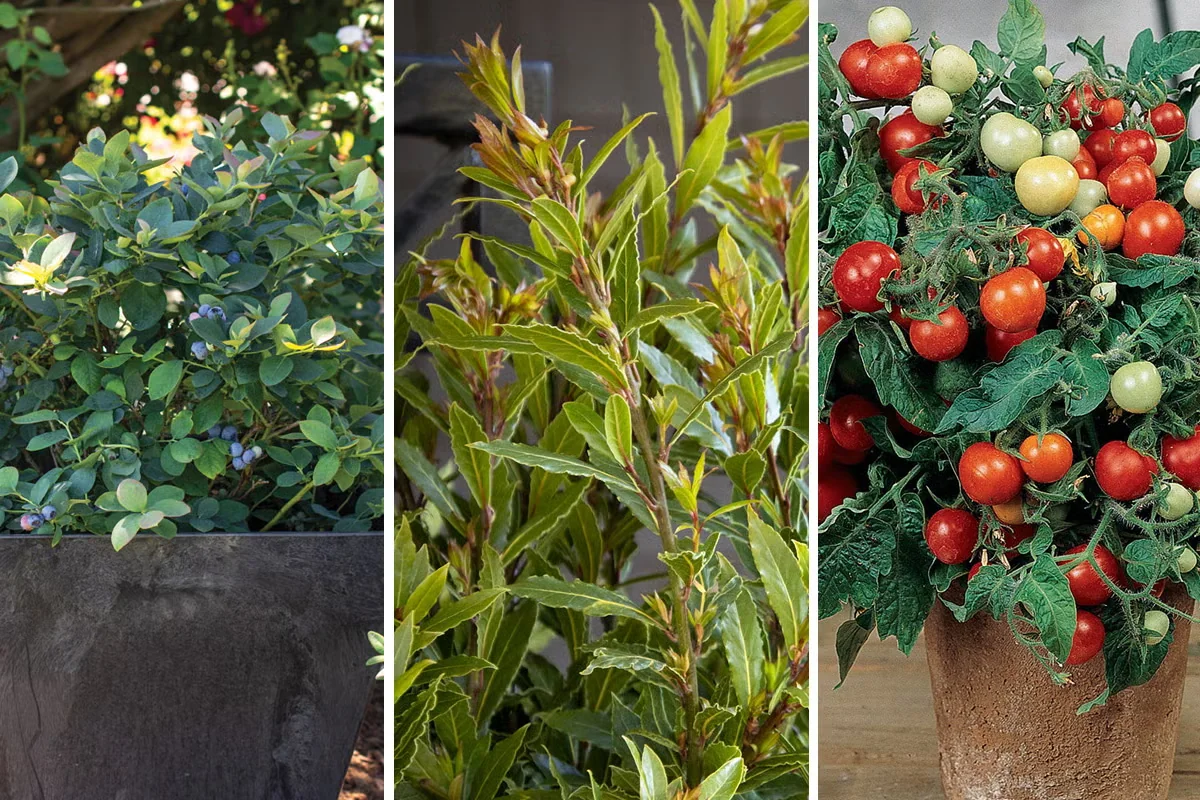
Compact Edible Plants for Small-Space Gardens
Picture this: you're on your back patio, and you reach over to pluck a sun-warmed cherry tomato from a plant barely eight inches…

Uncommon Herbs to Grow at Home
Most of us, when we think of culinary herbs, automatically picture the Mediterranean staples: basil, mint, oregano, thyme, sage,…