Since edible plants aren't usually bred for their looks, coaxing an aesthetically pleasing garden out of an ordinary food plot can take a lot of creativity and…
Since edible plants aren't usually bred for their looks, coaxing an aesthetically pleasing garden out of an ordinary food plot can take a lot of creativity and endless maintenance. Keeping your apple trees perfectly pruned each year and your tomatoes staked and blight-free is easier said than done. But blueberries—once you get them off to a strong start—are practically trouble-free and dependable. They have the same simple oval leaves and tidy growth habit as many of the shrubs we commonly use as hedging, and they emerge from winter each year decked out in delicate, honey-scented blossoms that look like tiny upside-down porcelain urns.
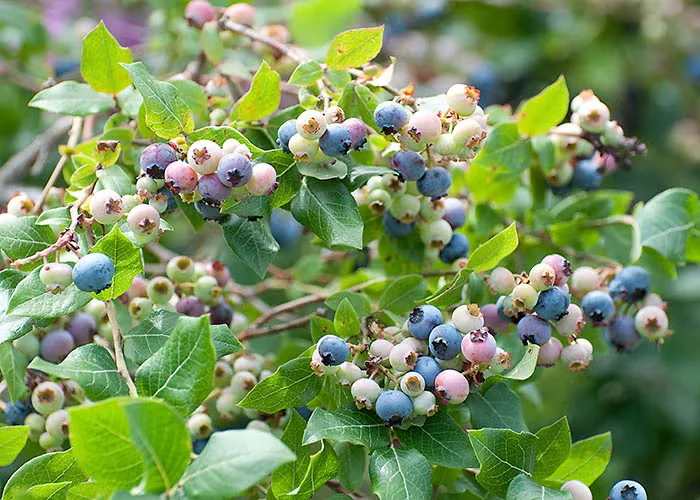
Whether you're after a foundation planting or something to soften a fence line, as long as you have at least 5 or 6 hours of direct sun, blueberries let you have your hedge and eat it too. There is work involved, but it's mostly front-loaded, starting with variety selection. While all blueberries have ornamental appeal, it's worth knowing that some varieties have been chosen specifically for their good looks: Blue Suede with its fiery fall foliage, the dwarf evergreen Peach Sorbet, and the colorful 'Pink Lemonade', for example.
Some blueberries are listed as self-fertile, but keep in mind that most produce more generously with cross-pollination from a second variety. For a uniform-looking hedge, interplant two or more cultivars with a similar growth habit in an alternating pattern.
How to Plant Blueberries Blueberries are vulnerable to a number of pests and diseases, which can turn a blueberry hedge into something that's neither edible nor ornamental. Fortunately, keeping them healthy isn't rocket science, though thorough soil preparation at planting time is usually essential. My caveat about blueberries being low maintenance only if given a good start really comes into play here. Unless you happen to have moist, rich, acidic, well-drained sandy loam, blueberries aren't the kind of shrub you can just drop in a hole slightly bigger than the root ball. Because blueberries have extensive lateral root systems that are shallow and fibrous, it's best to prepare the entire planting area as one big bed.
Till up a strip four to eight feet wide (depending on the mature size of the variety), aiming for a depth of at least 6 inches, and shape the soil into a low, broad mound if drainage is poor. Blueberries crave soil that's loaded with organic matter, so plan to work a three-inch layer of compost or soil conditioner over the entire planting area. They also like it acidic. Test the pH in advance and spread two pounds of elemental sulfur per hundred square feet of planting area for every point over five on the pH scale, then till this into the bed along with the compost. And for the grand finale: spread six inches—yes, you read that right, six inches—of mulch over the planting area. It sounds crazy, but cool, moist, highly organic soil is what makes blueberries thrive. Besides, six inches of fresh mulch will settle to three inches within a year. Pine straw is an excellent mulch for blueberries, but if that's not available, wood chips will do the job.
If you can manage all that, you're likely to be swimming in blueberries for the rest of your life. If you just pop them in the ground and then try to rescue them with fertilizers, acidifying agents and pesticides once they start looking rough, you may as well start over. Blueberries are very particular about soil, and it's tough to bring them back once they've gone downhill.
As time goes on, there's one optional chore: pruning out the older growth to renew the younger, more fruitful wood. Do this in winter and be sure to make your cuts flush to the base of each branch you remove. It's perfectly fine to let them stay dense, though, and you can even shear them into a formal hedge—but keep in mind that fruit production will drop significantly. You can count on birds taking 50 percent of the harvest, and most strategies to exclude them will turn your elegant hedge into an eyesore—so instead, plant twice what you need and call it an incredible, edible wildlife hedge.
More from Blueberry
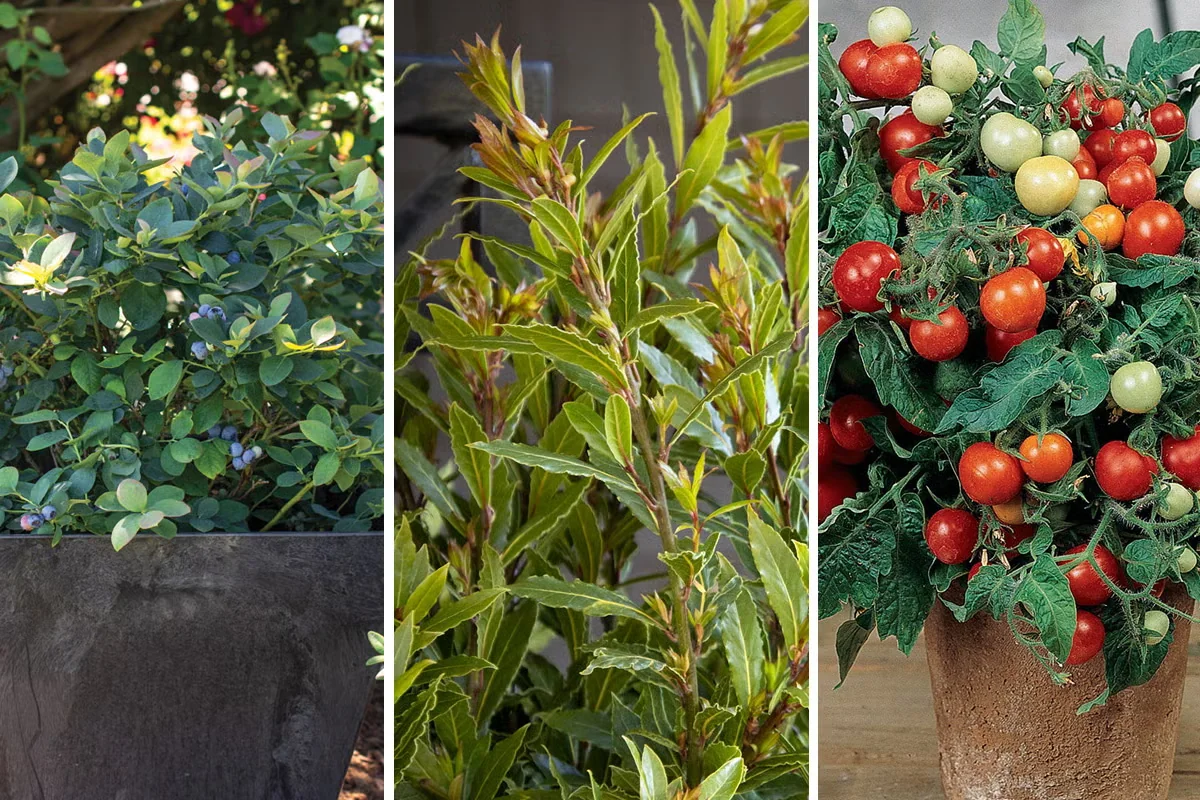
Compact Edible Plants for Small-Space Gardens
Picture this: you're on your back patio, and you reach over to pluck a sun-warmed cherry tomato from a plant barely eight inches…
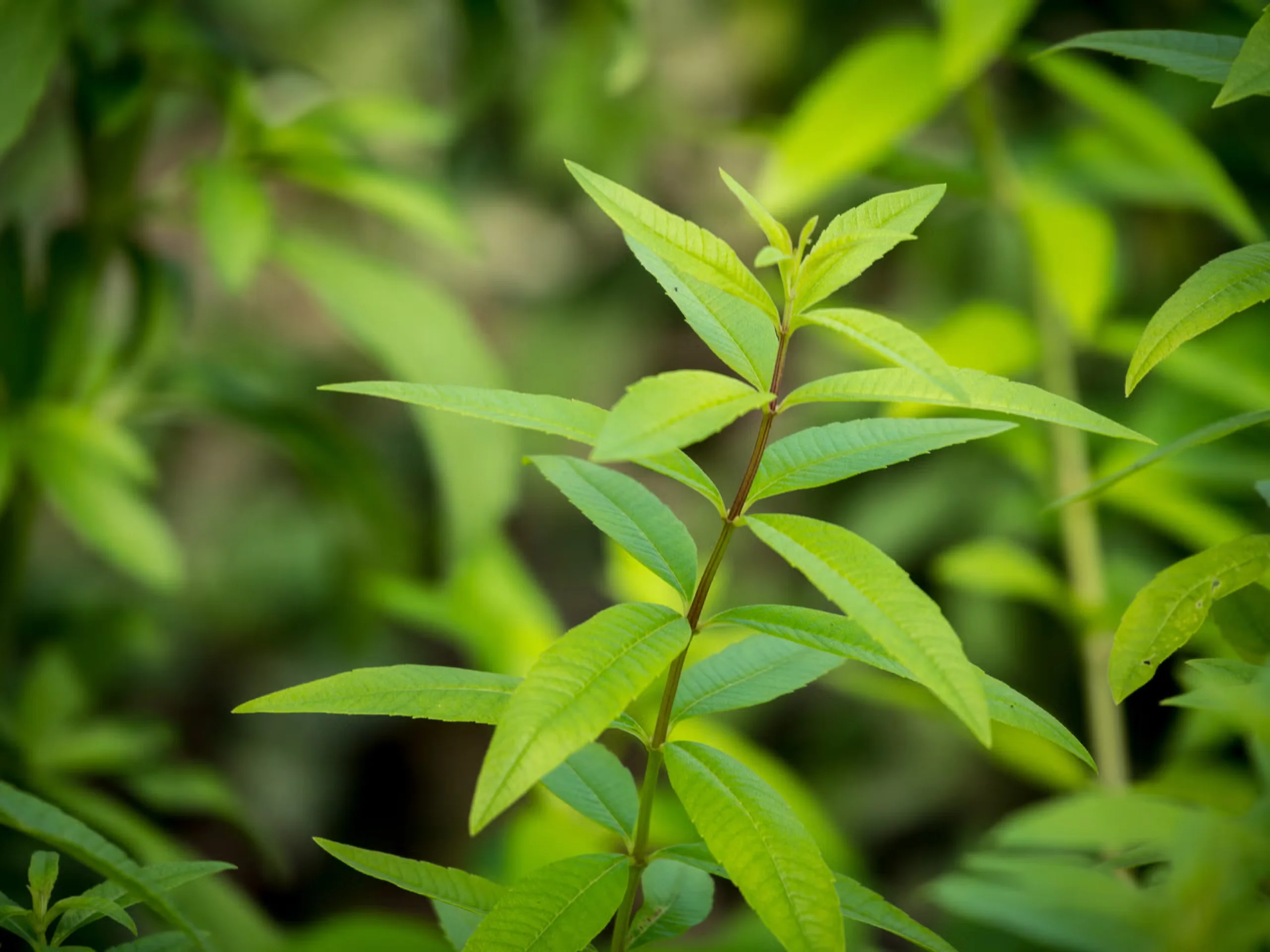
Uncommon Herbs to Grow at Home
Most of us, when we think of culinary herbs, automatically picture the Mediterranean staples: basil, mint, oregano, thyme, sage,…
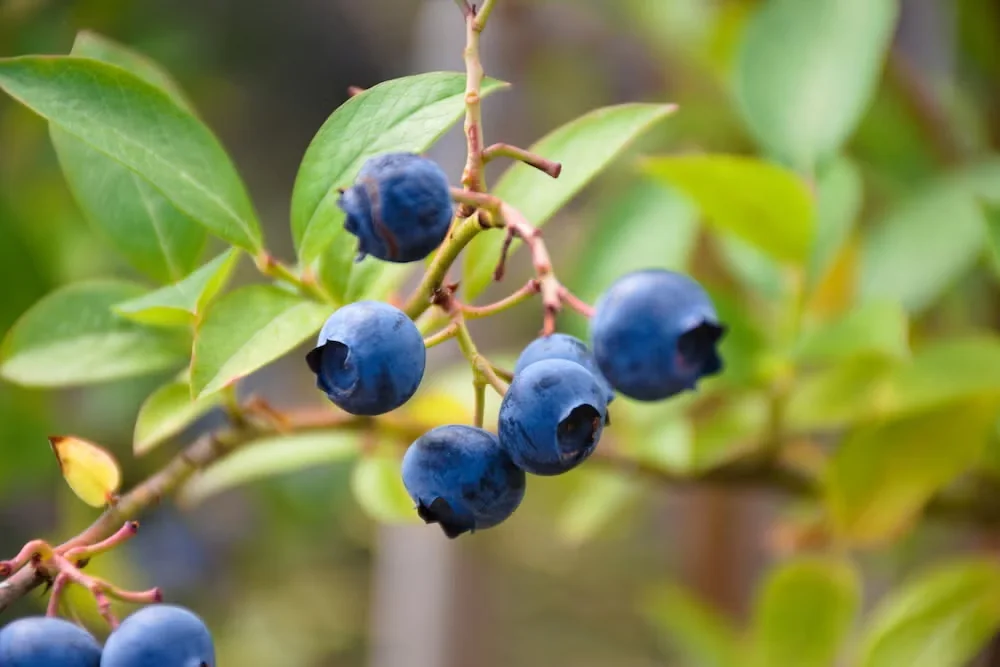
Grow Blueberries and Their Relatives to Benefit the Garden and Your Health
Isn't it something how the simple things we love as kids end up opening into whole worlds of discovery as we get older?…